


 About Us
 Terms
Terms
 Privacy
 Community Guidelines
Civilian Crimes That Can Be Tried by a Court Martial After Parliament Passed the UPDF Bill
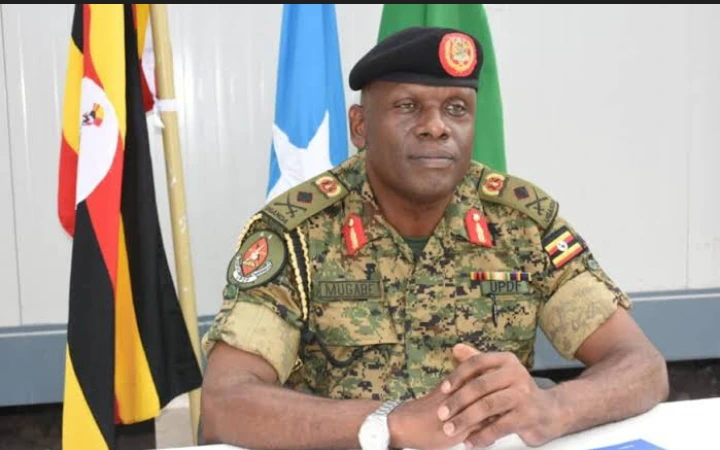
Parliament has passed the Uganda Peoples’ Defence Forces (UPDF) Amendment Bill, 2025, granting military courts the authority to try civilians under specific circumstances. The move has sparked intense debate, with critics arguing that it contradicts a recent Supreme Court ruling that deemed such trials unconstitutional.
Crimes That Can Lead to Military Trials
Under the new law, civilians can be subjected to court martial proceedings if they commit military-related offences, including:
1. Illegal possession of military weapons or equipment – Civilians found in possession of restricted firearms, ammunition, or military gear can be tried in military courts.
2. Impersonation of military personnel – Individuals who falsely present themselves as members of the armed forces or use military insignia unlawfully may face prosecution.
3. Collaboration with military personnel in criminal activities – Civilians accused of aiding soldiers in crimes such as treason, aggravated robbery, murder, or espionage can be tried by military tribunals.
4. Aiding armed groups or insurgents – Those suspected of supporting militant groups or engaging in activities that threaten national security may be prosecuted in military courts.
5. Unauthorized use of military-style clothing – The law restricts civilians from wearing camouflage uniforms or other attire associated with the armed forces.
The passage of the UPDF Bill has drawn criticism from opposition lawmakers and legal experts, who argue that it undermines civilian judicial independence. The Supreme Court had previously ruled that military courts lack the legal competence to handle civilian trials fairly.
Opposition leaders have vowed to challenge the law in court, citing Article 92 of the Constitution, which prohibits Parliament from enacting laws that overturn judicial decisions.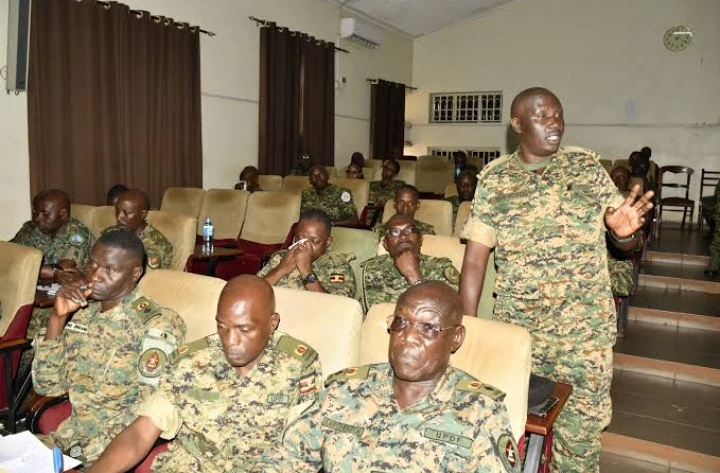
Defence Minister Jacob Oboth Oboth defended the Bill, stating that it does not arbitrarily subject civilians to military trials but targets those involved in military-related offences. He emphasized that the law aims to strengthen national security and deter criminal activities linked to the armed forces.
The Bill now awaits President Yoweri Museveni’s assent, a step widely expected given his strong support for military jurisdiction over civilians. If signed into law, Uganda will join a handful of countries where civilians can be prosecuted in military courts under specific conditions.
The debate over the UPDF Bill continues, with human rights groups warning that it could be used to silence political opponents and restrict civil liberties.
The question remains "which organ of government is Supreme court"?


 Arabic
 French
