


 About Us
 Terms
Terms
 Privacy
 Community Guidelines
Uganda Under Museveni and the NRM: A Neo-Colonial Obstacle to African Unity
OPINION
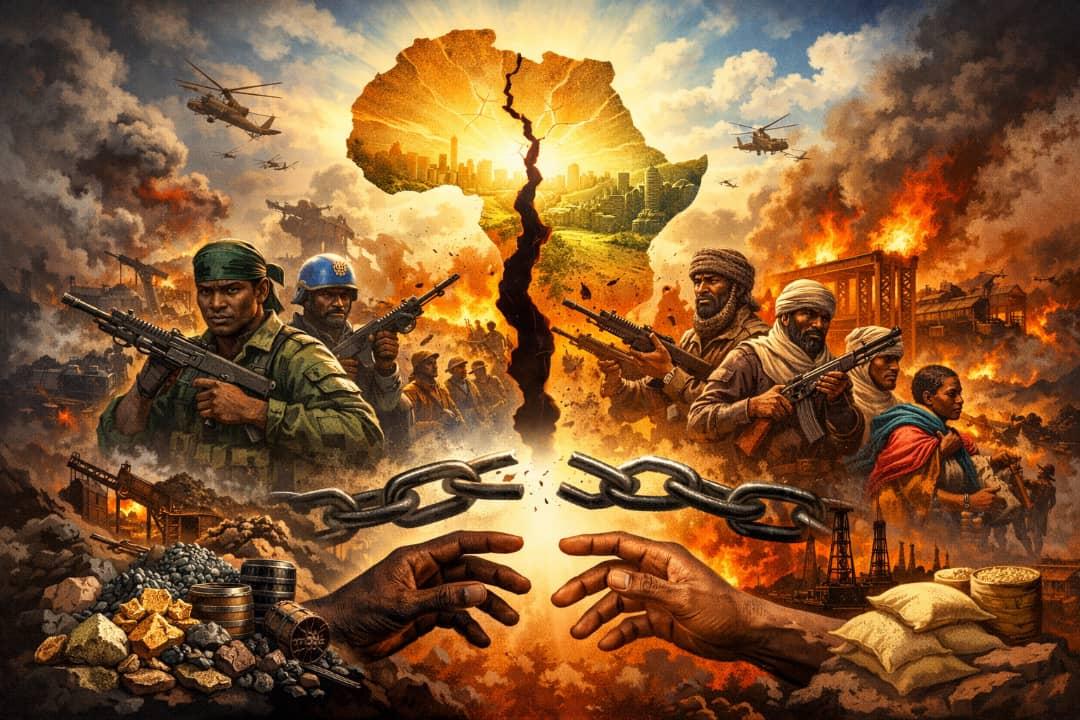
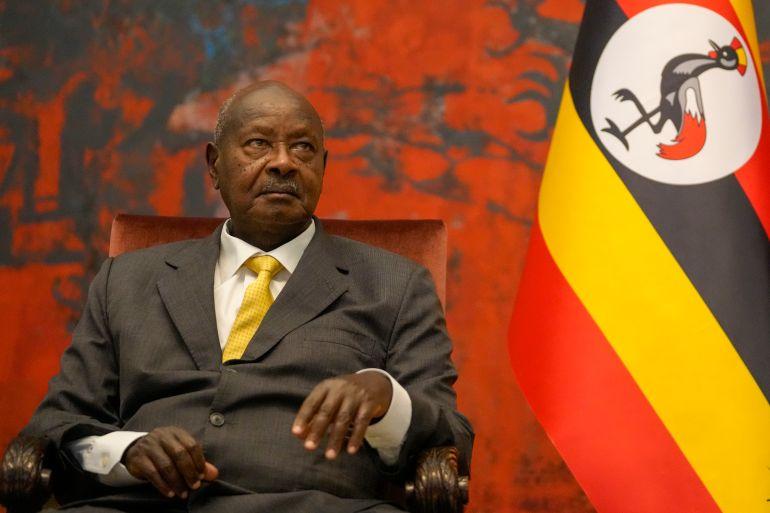
Since the early post-independence years, African unity has been a rallying cry for Pan-Africanists across the continent. Visionaries like Kwame Nkrumah, Julius Nyerere, and Patrice Lumumba envisioned a united Africa — politically, economically, and culturally — that could resist external domination and chart its own destiny. But more than half a century later, that vision remains elusive. Among the many factors hindering African integration and self-determination, the leadership of Yoweri Kaguta Museveni and his National Resistance Movement (NRM) in Uganda stands out as a key example of how neo-colonial policy frameworks continue to frustrate African unity.
Neo-Colonialism Repackaged: Uganda’s Foreign Alignment
Since taking power in 1986, Museveni initially won accolades as part of Africa’s “new breed” of reformist leaders. But over time, it has become clear that his long reign has pivoted toward authoritarianism, patronage politics, and most notably, a strategic alignment with Western powers, particularly the United States and the European Union.
Uganda has repeatedly served as a proxy for Western military and economic interests in East and Central Africa. From its involvement in the Democratic Republic of Congo (DRC) and South Sudan to hosting U.S. military operations and foreign NGOs, Uganda under Museveni has become a linchpin in the West’s regional influence. These relationships often come with strings attached — policy directions, economic frameworks, and regional positions that echo more of Washington and Brussels than Addis Ababa or Accra.
This close relationship with former colonial powers (and their successors in global influence) undermines Pan-African principles of sovereignty, unity, and collective self-reliance. Museveni's Uganda has repeatedly taken positions that fracture rather than unite African blocs, particularly within the East African Community (EAC) and the African Union (AU).
Militarism Over Diplomacy: Fragmenting Regional Trust
Another pillar of Uganda’s neo-colonial posture under Museveni is its aggressive military interventions across the region, often in alignment with U.S. counterterrorism objectives. Uganda has maintained troops in Somalia under AMISOM (African Union Mission in Somalia), participated in complex operations in the DRC, and taken sides in South Sudan’s internal conflicts.
These military actions, though often justified in the name of “stability” or “fighting terrorism,” serve the dual purpose of extending Museveni’s regional influence while supporting Western geopolitical interests. Rather than fostering African solidarity, this militaristic approach creates suspicion and division among neighboring states, weakening regional trust and impeding integration.
Economic Dependence and Resource Extraction
Uganda's economic policies under the NRM regime have also reflected neo-colonial characteristics — embracing foreign direct investment from Western multinationals without sufficient regulation, prioritizing resource extraction over sustainable development, and signing unfavorable trade deals. Large tracts of Ugandan land have been leased to foreign agribusinesses, and oil contracts in the Albertine region often favor foreign companies at the expense of local communities and regional cooperation.
This economic model reinforces Africa’s traditional role in the global capitalist system: a supplier of raw materials for wealthier nations. It undermines the idea of building intra-African value chains, industrialization, and collective economic autonomy — all key pillars of the Pan-African agenda.
Museveni’s Ideological Betrayal of Pan-Africanism
Ironically, Museveni has often cloaked himself in Pan-African rhetoric, but his actions betray the ideology he claims to uphold. Rather than working toward harmonizing Africa’s political and economic institutions, Museveni has prioritized personal and national interests — often tied to external actors — over the continental good.
His frequent clashes with other African leaders, refusal to relinquish power, and support for regimes favored by Western powers have made Uganda an unreliable partner in building the institutional frameworks necessary for African unity — from the African Continental Free Trade Area (AfCFTA) to a unified defense strategy.
Uganda as a Case Study in Delayed African Unity
The case of Uganda under Museveni exemplifies how neo-colonialism no longer comes in the form of direct colonial rule, but through pliant African regimes that serve external interests at the expense of continental integration. The National Resistance Movement’s policies have entrenched dependency, divided regional alliances, and eroded trust — all while projecting an illusion of stability and progress.
For Africa to truly unite and liberate itself from the structural shackles of neo-colonialism, it must confront not only the legacy of European imperialism but also the internal actors who perpetuate it. Museveni’s Uganda, with its entanglements in Western strategic and economic interests, serves as a stark reminder that African unity will require a new generation of leadership — one committed not to foreign approval, but to the ideals of Pan-Africanism and genuine self-determination.
Author’s Note: This article presents a critical analysis rooted in Pan-African thought. It invites deeper discussion on how domestic governance choices affect continental aspirations, and challenges Africans to reflect on who truly benefits from the current geopolitical status quo.

 Arabic
 French
