


 About Us
 Terms
Terms
 Privacy
 Community Guidelines
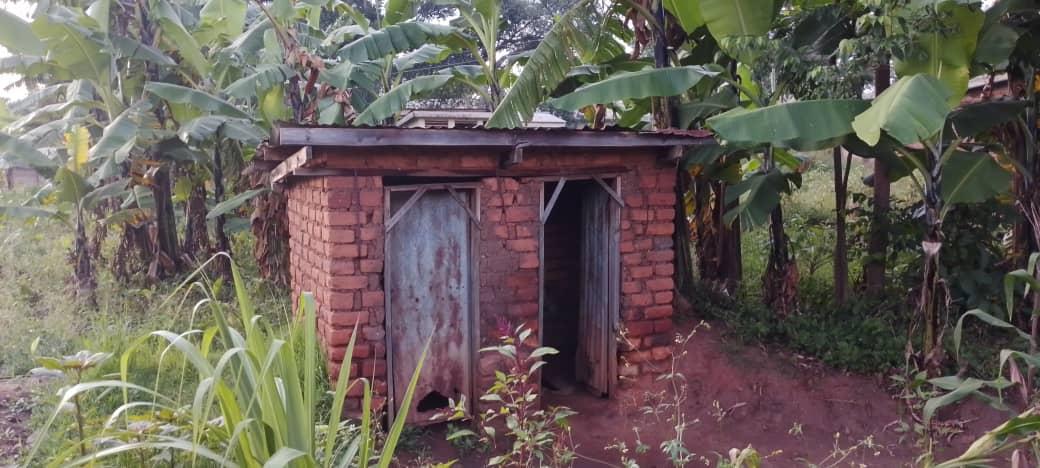
Nebbi Latrine coverage slips below national target, Health officials warn of disease risk.
By George Buatre
Health authorities in Nebbi District have raised alarm over a decline in household latrine coverage, warning that the trend could expose communities to outbreaks of cholera, typhoid and other sanitation-related diseases if not urgently addressed.
According to the district health department, 15% of households in Nebbi do not have pit latrines, forcing families into open defecation.
This places the district’s latrine coverage at about 85%, slightly above the national average of 79%, but still below the Government’s recommended target of 95% for effective disease prevention.
The concern was raised on December 7, 2025, during the end-of-year Village Health Teams (VHTs) celebrations held at Jukia Primary School playground.
Health experts say sanitation remains a critical pillar of public health. Poor latrine coverage increases the risk of water contamination, accelerates the spread of diarrheal diseases and threatens hard-won gains in maternal and child health.
The situation in Nebbi reflects broader sanitation challenges in the West Nile sub-region, where several districts continue to record latrine coverage below the national average, largely due to poverty, weak enforcement and negative attitudes towards sanitation.
Nebbi District VHTs coordinator Oryem Jimmy said while the district has made notable progress in health promotion, gaps remain in translating knowledge into sustained behavior change at community level.
“The district has done a lot in promoting health, but there is still a gap in disseminating information to the local people. We appreciate the district health officials for empowering VHTs with equipment to support communities,” Oryem said.
District Health Educator Susan Twinomujuni warned that open defecation is putting water sources at risk, undermining efforts to prevent disease.“VHTs are our foot soldiers in disease prevention and health promotion. When you talk about preventing diseases, it starts with them,” Twinomujuni said.“We are not performing badly in maternal and child health indicators, but we continue to face challenges in water, sanitation and hygiene.
WASH requires repeated engagement and continuous reminders for behavior change.”She added that improving sanitation is essential to protecting household water sources and sustaining positive health outcomes across the district.
Nebbi Resident District Commissioner Robert Abak commended VHTs for their role in reducing diarrheal diseases, especially among children.
“When you move to the villages, you find that cases of diarrhea have reduced because VHTs are doing their work. To me, they are like paramedics and our foot soldiers at community level,” Abak said.
District chairperson Emmanuel Orombi urged VHTs to intensify sanitation sensitization, particularly among children who have returned home for the school holidays.“VHTs play a key role in supporting health care initiatives, and their dedication deserves recognition. They must continue guiding families to adopt better sanitation practices,” Orombi said.
Health officials are now calling for renewed community-led sanitation campaigns and stronger enforcement to improve latrine coverage, protect water sources and prevent disease outbreaks in Nebbi district and the wider West Nile region.
Tel: +256 784-527-642; WhatsApp: +256 774-909-840 E-mail: buatregeorge5@gmail.com

 English
 Arabic
 French
