


 About Us
 Terms
Terms
 Privacy
 Community Guidelines
Why Zombo Elders Voted for Museveni: Fear of War Over Hope for Change
By Explicit News Editorial | Zoomer Africa
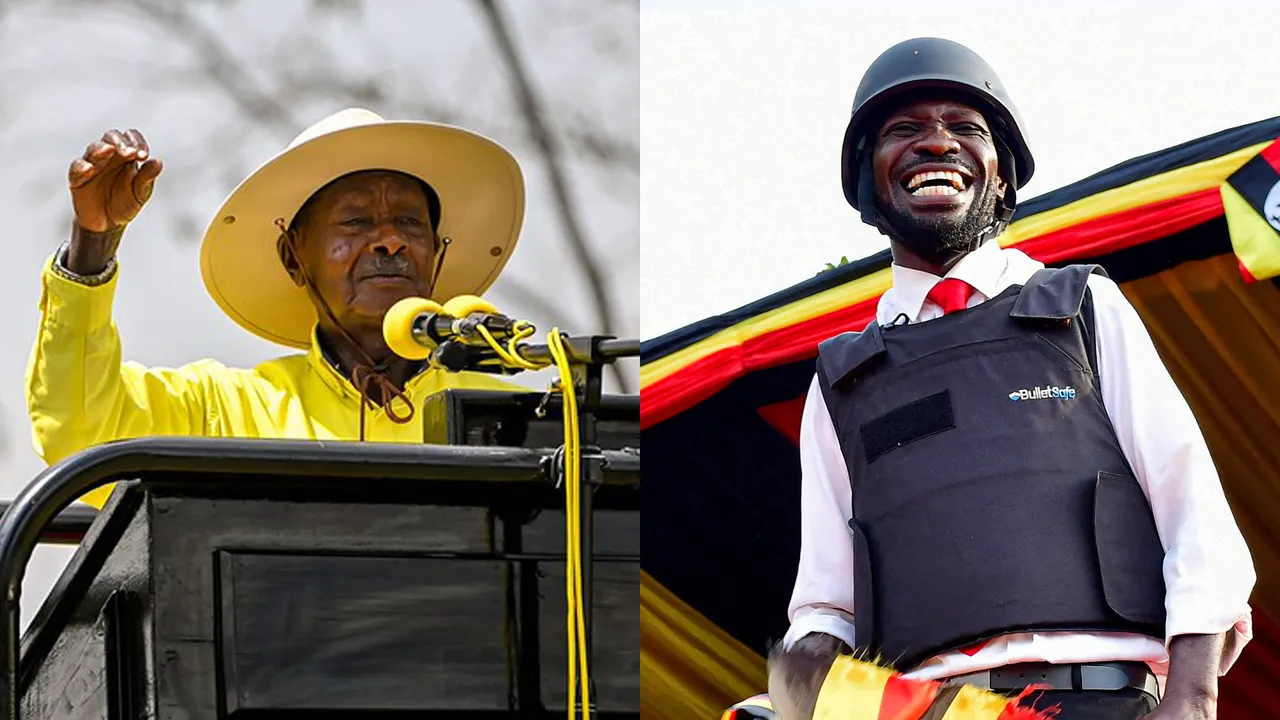
In every election cycle, the question returns with renewed intensity: Why do many elders in Zombo continue to vote for President Yoweri Museveni, even as their grandchildren struggle with unemployment, poor schools, and limited opportunities?
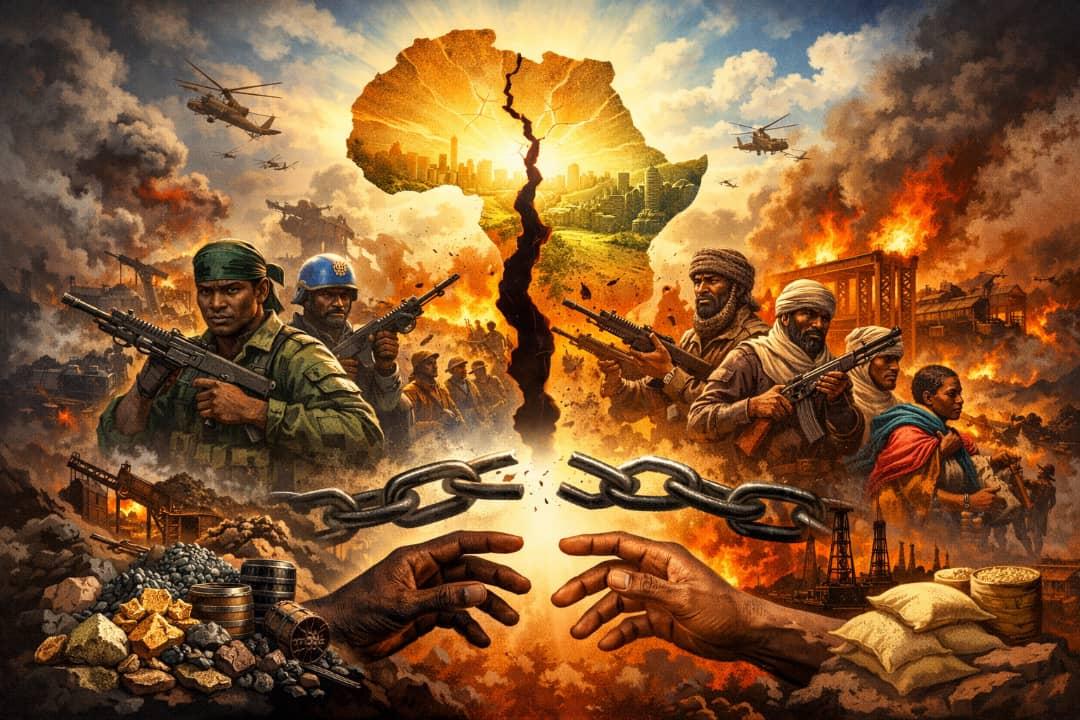
The answer is complex, but at its core lies a powerful and often overlooked force — the memory and fear of war.
The Shadow of Conflict
For many elders in Zombo, politics is not an abstract debate about manifestos or long-term development plans. It is deeply personal. They remember the decades when northern Uganda was synonymous with displacement, violence, and uncertainty. They remember fleeing homes, losing relatives, and living with the constant fear of death.
To them, Museveni is not merely a political leader; he is associated with the end of widespread armed conflict. Whether fairly or not, stability has become his strongest political currency among older voters.
Voting against him, in their minds, risks reopening a chapter they survived with great pain.
Stability Over Transformation
While younger generations speak the language of reform, innovation, and systemic change, many elders speak the language of survival. Their political calculations are shaped less by dreams of transformation and more by the question: Will this choice bring back war?
This fear often outweighs concerns about:
- Youth unemployment
- Failing education systems
- Shrinking civic space
- A stagnant rural economy
For elders who have already lived through the worst, avoiding chaos feels more urgent than pursuing uncertain change.
The Grandchildren’s Dilemma
Ironically, this fear-driven voting has profound consequences for the very grandchildren elders hope to protect. Young people in Zombo today face a different kind of struggle — not bombs and bullets, but joblessness, poor infrastructure, and limited prospects.
Many youths argue that peace without progress is not enough and its fragile. They see stability that has not translated into opportunity, and they question whether clinging to the past is sacrificing the future.
This has created a quiet generational tension: elders voting to prevent war, and youths voting to escape stagnation.
A Politics of Trauma
What we witness in Zombo is not ignorance or blind loyalty; it is a politics shaped by trauma. Fear can be a rational response to lived experience. However, when fear becomes the dominant driver of political choice, it can also paralyze a society’s ability to imagine better alternatives.
The challenge, then, is not to condemn elders, but to bridge the gap between memory and possibility — to show that change does not automatically mean chaos, and that peaceful transitions are possible.
True national healing requires honest conversations across generations. Elders deserve assurance that peace will not be gambled away. Young people deserve a system that invests in their potential.
Until Uganda can convincingly demonstrate that change does not equal war, many elders in Zombo — and beyond — will continue to vote not for transformation in their grandchildren’s lives, but for the absence of fear
Explicit news editorial @Zoomer Africa, your #1 grassroot information hub, sign up for more bulletins.



 Arabic
 French
