


 About Us
 Terms
Terms
 Privacy
 Community Guidelines
"Lendu Forest at crossroads: Plantation loss, Community claims, and the Politics of Restoration"
By George Buatre
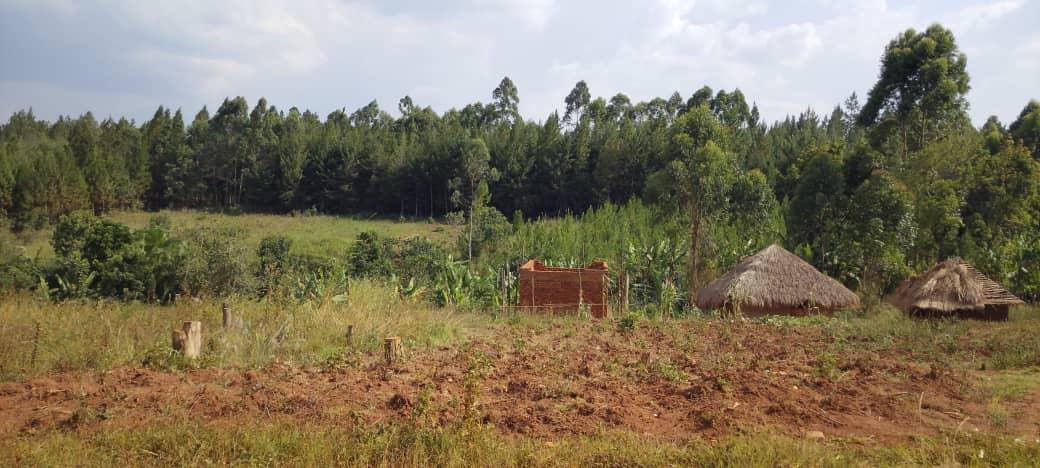
From a distance, the rolling Lendu hills still appear green, dominated by eucalyptus, pine, and cypress plantations. Up close, the illusion fades. Blackened stumps punctuate the landscape. Abandoned charcoal kilns lie scattered across slopes. Narrow feeder paths cut deep into what was once a continuous artificial forest cover.
For elders who helped plant Lendu Forest decades ago, the changes are not only ecological they are deeply personal.Once a community-backed plantation forest reserve, Lendu Forest in Zombo district has experienced a significant loss of mature tree cover over the past two decades, according to residents, elders, and local leaders.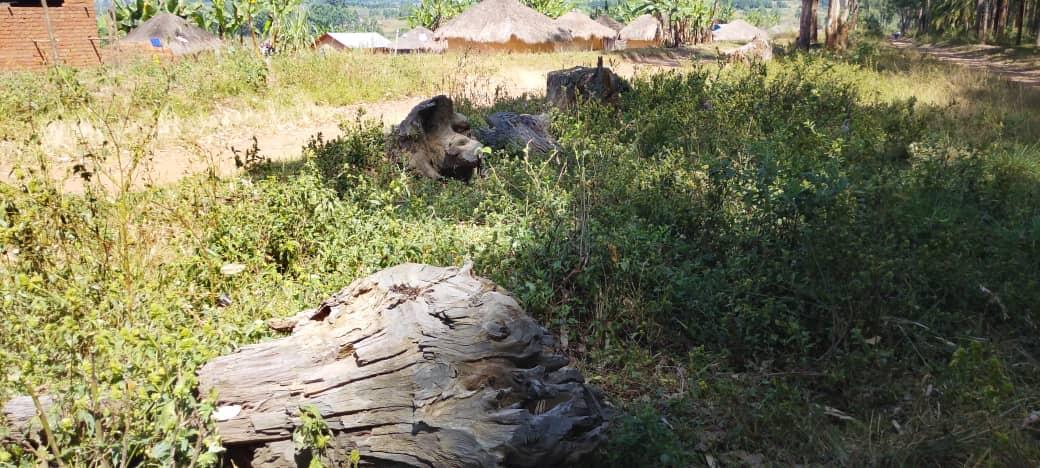
Degraded section of Lendu Forest showing stumps and charcoal mounds
The National Forestry Authority (NFA), which manages the reserve, disputes the characterisation of “depletion,” arguing that Lendu is a commercial plantation subject to routine harvesting and replanting.
The disagreement reflects a deeper conflict between technical forestry definitions and lived community experience over what has been lost, who benefited, and who bears responsibility.
A Forest Built Through CooperationCovering approximately 2,000 hectares across several forest reserves, Lendu Forest was established in the late 1940s and 1950s along Uganda’s North western frontier with North-Eastern Democratic Republic of Congo (DRC).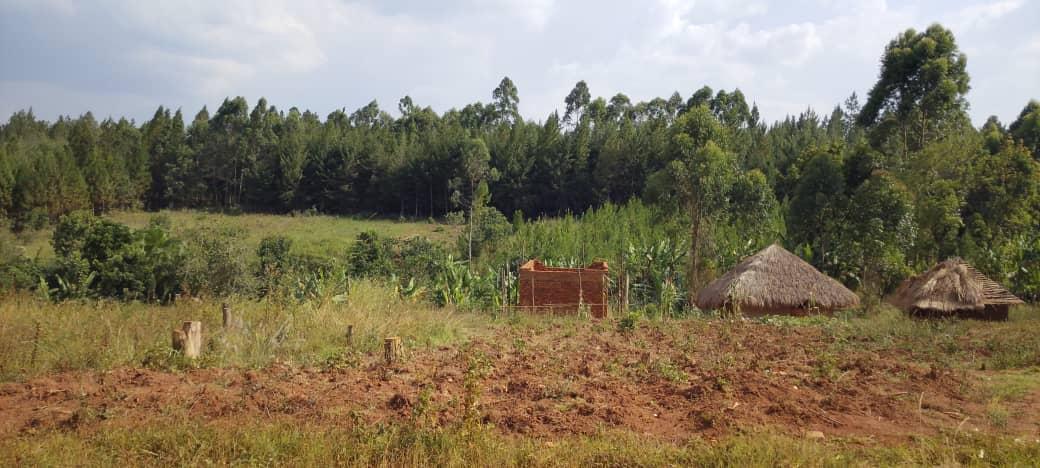
Community woodlot planted outside the reserve
Though artificial, it functioned as a protective ecological belt anchoring soils, regulating water sources, moderating wind, and stabilising the local microclimate. Crucially, it was planted through close cooperation between government and surrounding communities.
“Planting began around 1948,” recalled Abeka Geoffrey Olarker, an elder from Zeu village. “The nursery beds were inside the forest. Government officials and elders worked together. People weeded under the trees, and everyone protected the forest.”Fire towers were erected on hilltops. Bells warned of smoke. Water tanks were installed and regularly refilled from nearby rivers. When fire broke out, communities mobilised instantly.“If you ignored the alarm, you were punished,” said another elder, Wapokrwa John. “The forest belonged to everyone.”Harvesting was strictly controlled.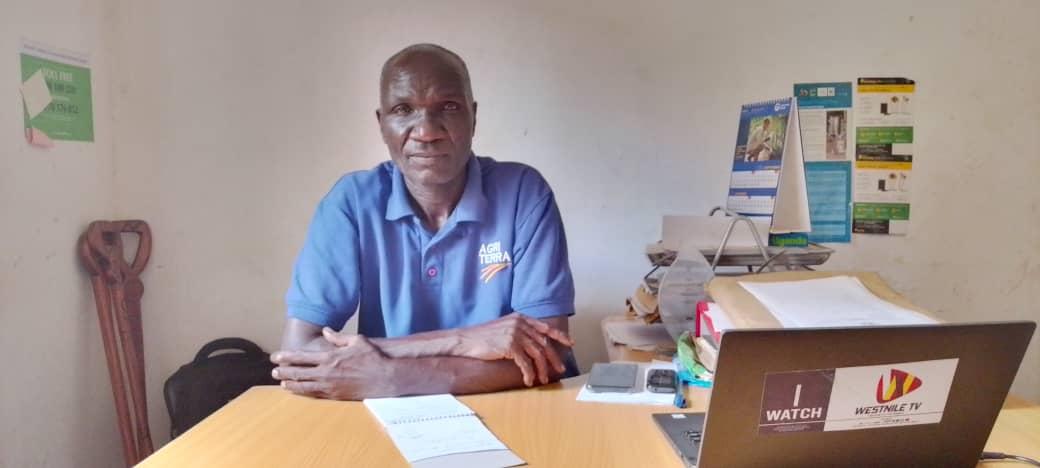
Kakura Emmy Kizito LICO ED explaining their restoration efforts
Wind-fallen trees were pit-sawn under supervision, measured in cubic metres, and recorded. “There was only one sawmill,” Abeka said. “It did not destroy the forest.”
The Turning Point: Management Without Stewardship
Community stewardship weakened following the transfer of forest management from the former Forest Department in the Local Governments to the National Forestry Authority (NFA), established under the National Forestry and Tree Planting Act (NFTPA) of 2003.
According to Jimmy Auna, National Forestry Authority’s (NFA’s) Lendu Management Zone Manager, the transition did not alter forest policy, mandate, or management boundaries.
“It was just a change in management,” Auna said. “The mandate and policy in forest management remained the same.”
That continuity places the period of accelerated harvesting, delayed replanting, and weakened community engagement firmly within NFA’s oversight era, even as the Authority maintains that operations followed standard plantation forestry practices.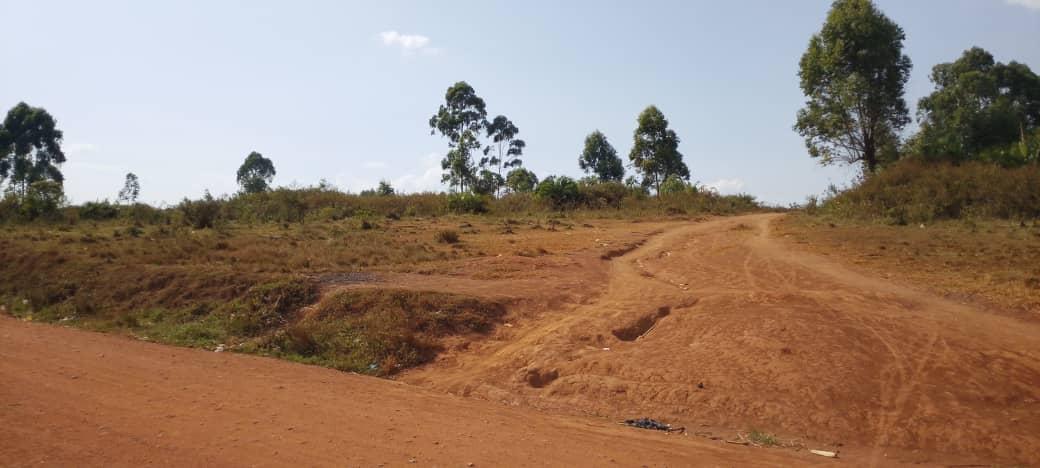
Residents report that large-scale harvesting intensified, while replanting lagged behind. Fast-growing exotic species mainly pine and eucalyptus increasingly replaced mixed and indigenous varieties. Community-based fire vigilance collapsed, while charcoal burning spread, often using residues from logging operations.
NFA Oversight During the Period of DeclineNational Forestry Authority (NFA) maintains that Lendu Forest was not depleted, describing observed tree loss as routine harvesting within a commercial plantation. However, statements from the Authority’s own management confirm that NFA exercised full operational control during the period in which mature canopy disappeared, replanting lagged, and encroachment intensified.
Auna stated that community access, harvesting authorisation, patrol recruitment, contracting, and planting all continued under NFA supervision.“The workers who plant this forest are from here,” he said. “Even the contracts to manage this forest are given to communities around the forest.”During this same period, large sections of mature plantation were harvested under National Foresty Authority (NFA).
Auna confirmed that harvesting was intentional and authorised.“When a tree matures, it must be harvested,” he said. “This plantation was planted purposely for commercial purposes.”However, Auna acknowledged that replanting did not keep pace with harvesting, citing delays caused by financial remittance procedures that require revenue from timber sales to be sent to central government before being returned.“If we were to use the money at the source, we would plant the area all at once,” he said. “But the money goes back to central government and is sent back later.”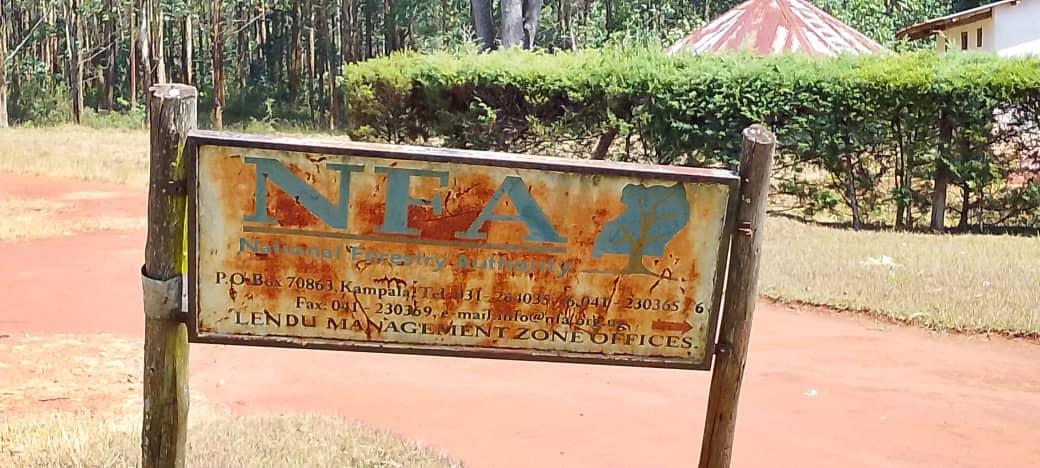
As a result, harvested areas remained open for extended periods, increasing vulnerability to fire, illegal charcoal burning, and encroachment. Auna estimated that more than 500 hectares of the Lendu reserve are currently encroached.
“Encroachment is our biggest challenge,” he said. “People are cultivating and settling inside the forest.”He also acknowledged frequent fires, some linked to cross-border activity, and ongoing illegal harvesting challenges NFA has been unable to fully contain.“Those are challenges which you cannot 100 percent stop,” Auna said.
While National Forestry Authority (NFA) rejects the term “depletion,” its own admissions confirm that the Authority oversaw large-scale harvesting, delayed restoration, and limited enforcement capacity during the period when communities say the forest lost its protective canopy, cultural sites, and ecological stability.
Who Benefited, Who Lost
For a time, the forest’s decline generated short-term income. Youths were employed planting, harvesting, and loading timber. Charcoal burning offered survival for others.
“The forest created employment, and even street children survived on forest wages,” said Ngageno William, a youth from Zeu sub-county.
Elders, however, say the primary beneficiaries were politically connected actors.“We saw truckloads of logs leaving the forest,” said Naphtali Ocamgiu, an elder and LCIII chairperson of Zombo Town Council.
“These were people in authority. We made by-laws, but we could not stop them.”Those who lost most, elders argue, were communities that surrendered land in good faith, expecting long-term benefits such as schools, industries, and sustainable employment promises they say never materialised.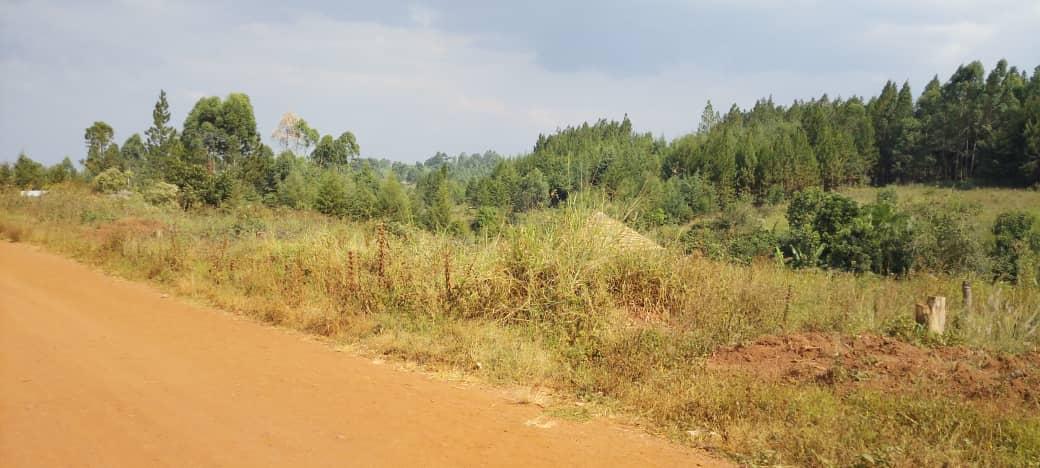
Women Bear the Hidden Cost
Women living around Lendu Forest say restricted access has deepened household hardship.“Since NFA came, we have not benefited,” said Wiajik Mary, an elderly resident. “We thought they would leave some land for food crops like beans and cassava, but there is none. We are suffering.”
Another resident, Amia Rose from Akaa sub-county, recalled earlier years when women derived direct benefits.
“When we worked under the Forest Department, locals bought poles and sold firewood,” she said.
“That money paid school fees. Now there is no benefit at all. When you go with a panga, they chase you.”As access diminished, women walked longer distances for firewood, water, and medicinal plants, increasing household vulnerability.
Youth Between Survival and Loss
Young people describe a generational rupture.“Those days my mother bought poles from forest officials and sold firewood to educate us,” said Mungujakisa Brian, a local youth.
“Now everything has changed.”With legal access limited and alternative livelihoods scarce, many youths drifted into charcoal burning and illegal extraction often as labourers rather than decision-makers.“Now the forest is gone,” Ngageno William said. “What remains is destruction.”A Cultural Landscape ErasedBeyond livelihoods, Lendu Forest held deep cultural meaning for the Alur, Kebu (Ndrukpa), and neighbouring Congolese communities.“Our people believed spirits lived in forests and rivers,” said Jakwonga Wilfred, a cultural leader.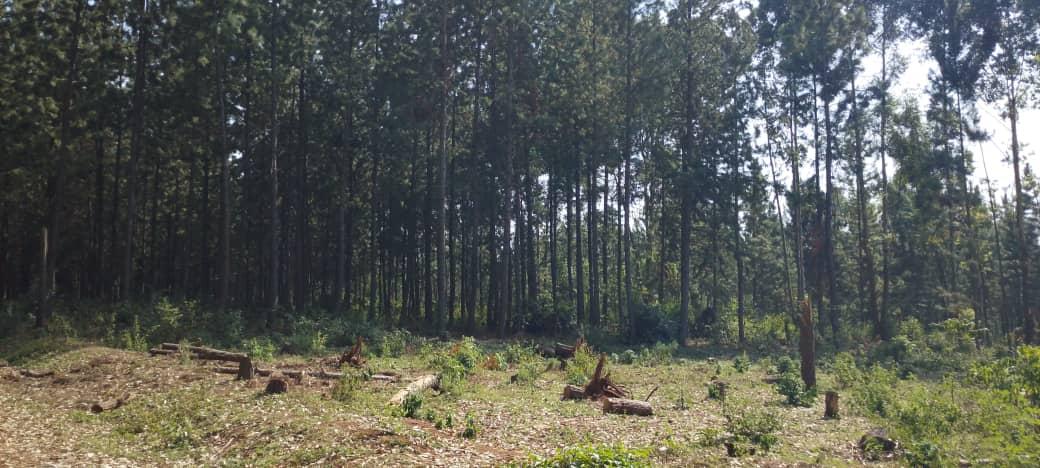
He added, Sacred stones used in rain-making rituals were kept under forest cover. Medicinal plants were harvested with care.“If rains delayed, elders went to the forest,” he said. “And rain came.”As tree cover declined, elders say springs weakened, rainfall patterns became erratic, and sacred sites were exposed or destroyed undermining cultural authority and social cohesion.
Regional and National Context
Uganda’s deforestation trajectory remains among the most severe in the region. Between 1990 and 2015, the country lost an average of 122,000 hectares of forest annually, with total forest cover shrinking from 24 percent in 1990 to just 9 percent by 2018. In 2021 alone, Uganda recorded 49,000 hectares of tree cover loss generating an estimated 23.5 million tonnes of carbon dioxide emissions.
The International Monetary Fund estimates that more than one million hectares, nearly a third of the country’s historical forest estate, have disappeared over recent decades.
According to the National Forestry Authority (NFA), approximately 15 percent of Central Forest Reserves are now under farming or settlement, and with more than 500 protected areas nationwide. Officials including Head legal officer (NFA) Moses Muhumuza cited chronic staffing shortages that have increasingly shifted enforcement toward litigation.
In Northern Uganda, 93 hectares of tree cover were lost in 2021, with degradation continuing to intensify, particularly in districts bordering the Albertine Rift, one of Africa’s most ecologically significant biodiversity hotspots.
Governance Gaps and Enforcement ChallengesUganda’s National Forestry and Tree Planting Act (2003) prohibits illegal logging, charcoal burning, and encroachment in Central Forest Reserves, while the Forestry Policy (2001) promotes community participation and equitable benefit-sharing.Yet residents describe opaque licensing processes, weak monitoring, and penalties too small to deter illegal activity.
District forestry reports have repeatedly cited staffing shortages and limited resources.Auna acknowledged significant challenges, including delayed replanting due to financial remittance procedures, widespread encroachment more than 500 hectares by NFA estimates and frequent fires, some linked to cross-border activity.
“If we were to use the money at the source, we would plant the area all at once,” Auna said. “But the money goes to central government and is sent back later.”
NFA’s Position: Plantation Logic
NFA disputes claims that Lendu Forest was depleted, describing it as a commercial plantation.“In plantations, trees mature and must be harvested,” Auna said. “If you leave them, they die and lose value.”
He said over 2,000 hectares across the wider Lendu management area including Zeu,Usi, Awang, and Akaa have been replanted, though funding constraints have slowed progress, adding that indigenous species are conserved in designated seed areas known as baratums.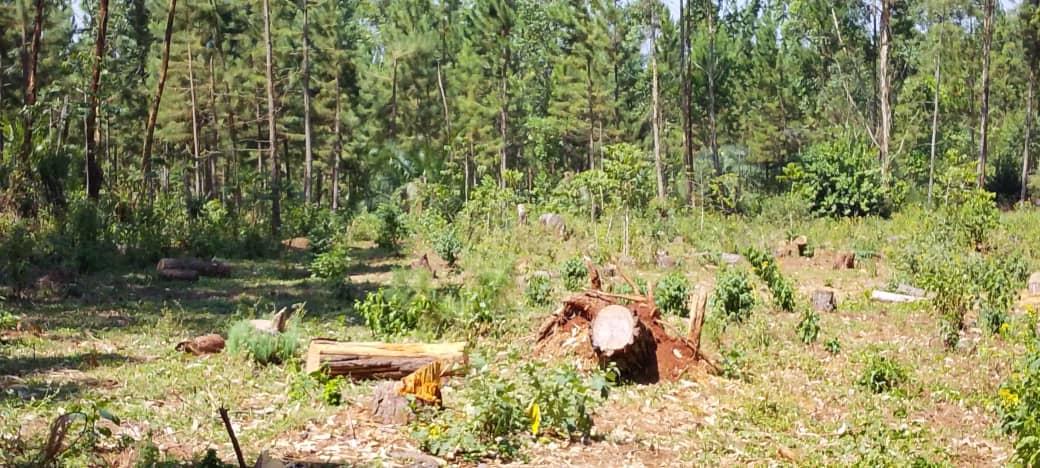
Replanting After Loss
Communities say what followed was replanting after loss, not rotation within an intact forest. Mature canopy, biodiversity, microclimate, and cultural landscapes could not be quickly replaced by young plantations.
Civil society groups such as Life Concern (LICO) have stepped in to promote private woodlots and reduce pressure on the reserve.
“We realised people were fighting over what their grandparents protected,” said Kakura Emmy Kizito, LICO’s executive director.He added “So, we helped households plant their own trees.”
What Is at Stake
Lendu Forest lies within the Albertine Rift, one of Africa’s most biodiverse regions. Continued degradation threatens water security, rainfall reliability, and food systems across Zombo district.
“When you destroy the forest,” Jakwonga Wilfred said, “you destroy the place where our prayers lived.”
A Forest at a Crossroads
Lendu Forest now stands at a crossroads between commercial forestry logic and community memory, between institutional authority and local stewardship.
While NFA’s replanting efforts signal intent, residents argue that seedlings alone cannot restore lost trust, cultural heritage, or ecological integrity.
Sustainable recovery, they say, will require inclusive governance, genuine community participation, and accountability or Lendu risks becoming another cautionary tale of environmental decline and broken cooperation.
This story was produced with support from the Environmental Defenders Journalism Grant.
By George Buatre news editor at zoomer Africa your number one grassroot information hub sign up for more

 English
 Arabic
 French
