


 About Us
 Terms
Terms
 Privacy
 Community Guidelines
Jupa Kubi Chiefdom Launches Modern Mausoleum for Heritage Preservation and cultural tourism
By Mike Rwothomio
Jupa Kubi Chiefdom under the Alur Kingdom has embarked on the construction of a modern mausoleum on the grave of their founder, Rwoth Kubi, in a significant step towards safeguarding their ancestral legacy.
The ongoing renovation and upgrading of the site aims to have it officially recognized as one of the key Cultural Sites within the Alur Kingdom, with the dual goal of preserving rich cultural heritage and promoting cultural tourism for future generations.
The initiative aligns with the Alur Kingdom’s broader comprehensive documentation project, which covers all its 56 chiefdoms across Uganda. The project focuses on cataloguing cultural artifacts, traditional norms, and indigenous knowledge systems in science and technology to protect and promote the kingdom’s heritage.
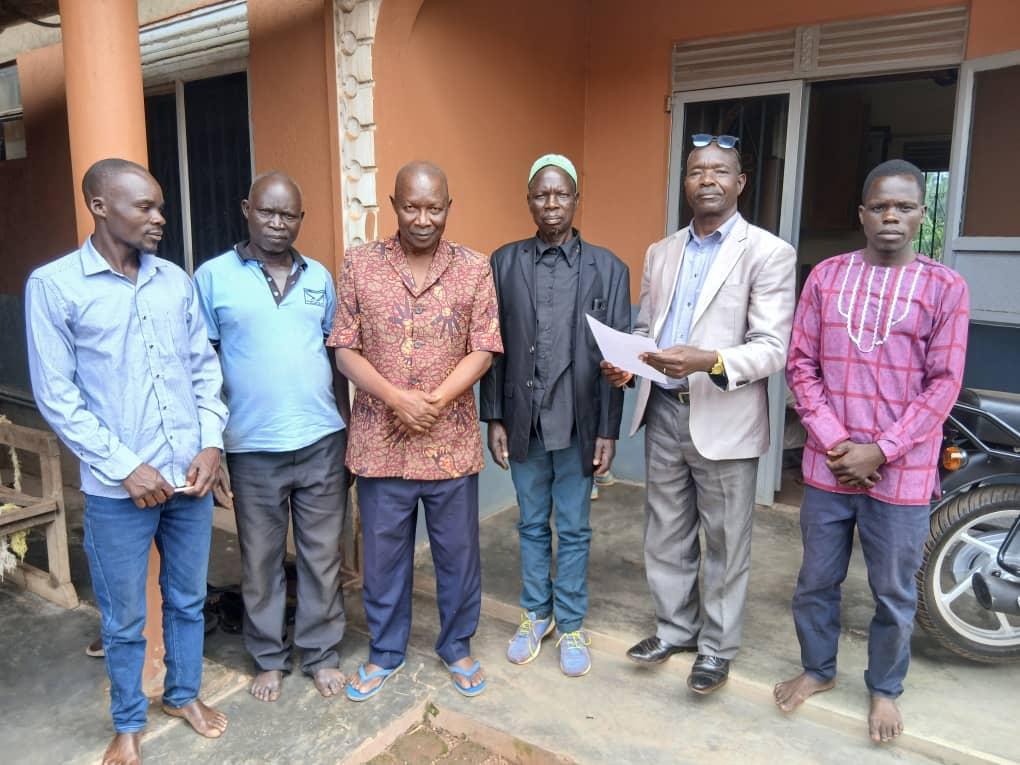
On 16th April 2026, Jupa Kubi Chiefdom’s Prime Minister, Apoi Okumu, handed over a detailed report on the multi-million shilling project to the Jadipu (Prime Minister) of the Alur Kingdom.
Apoi commended the Kingdom’s leadership for its tireless efforts in promoting Alur cultural traditions and appealed for full support to complete the mausoleum.
“What remains includes the construction of 33 pillars to represent the sons of the late Chief Kubi, a house to shelter the tomb, painting of the structures, and other associated works,” Apoi stated.
The chiefdom also plans to build a Public Hall next to the tomb for official functions.
Apoi further appealed to the Alur Kingdom’s Prime Minister to use his good offices to reach government leaders, NGOs, and well-wishers to aid fundraising for the project from development partners interested in cultural preservation and tourism.
The Project Construction Committee Secretary, Ulubrwoth Amatho John, read the report, formally requesting the Kingdom’s assistance in mobilizing resources.
Recently, Rwoth Peter Oaikane of Jupa Kubi Chiefdom, together with Jupakubi Prince Morris Ngabitho (Alur Kingdom’s Envoy to Bunyoro-Kitara Kingdom), inspected the ongoing works at Ayaka Palace in Akaa Sub-county, Zombo District.
Alur Kingdom Prime Minister, Prince Lawrence Opar Angala, commended the chiefdom’s efforts, describing the project as “progress towards cultural tourism and preservation of our cultural heritage.” He noted that the move is in line with Uganda’s National Culture Policy of 2006.
The initiative mirrors a similar effort by the Palara Clan of Warr-Palara Chiefdom in the DRC, which recently began renovating their pre-colonial ancestor’s grave and constructing a mausoleum in Erussi, Nebbi District.
Both projects seek to honour ancestral spirits, restore sacred sites, and promote them for education, tourism, and posterity.
To support the wider effort, the Alur Kingdom has established a five-member committee of knowledgeable elders under the Ministry of Culture to identify, restore, and revive thousands of Alur cultural items at risk of extinction.
The project aligns with the Uganda National Council for Science and Technology (UNCST) Act, the National Cultural Policy Framework 2024, and NDPIII, emphasizing the preservation of tangible and intangible heritage.
Genealogically, Kubi was a son of Nziri. His brothers included Amatho and Alworunga. Alworunga inherited the throne from their father Nziri. Kubi’s lineage continues through his descendants, including Nziri, Jalawure, Ovon, and Oaikani, whose people form the clans of Ukebu Ngele, Pagei, Awora, Pakia, Adhosi, Anita, Lendu Nyarka, Ayisi, Paley and others.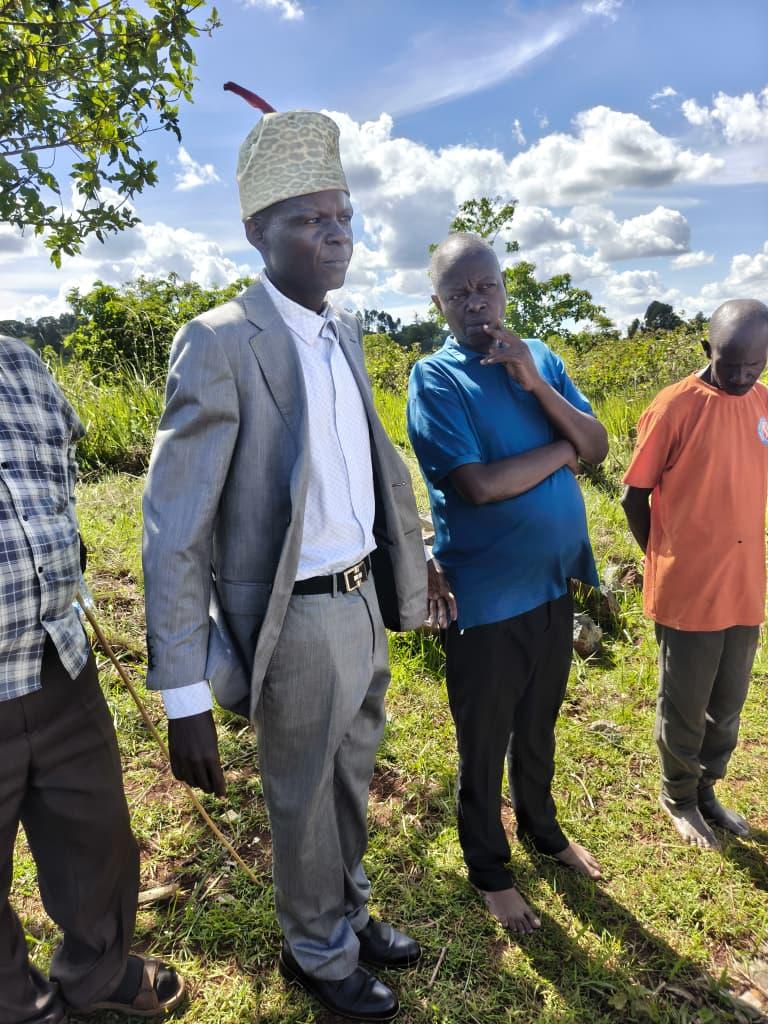
According to the Alur Kingdom, the development marks a renewed commitment by Alur leaders to protect their cultural treasures, from ancient tools, pottery, and regalia to historical sites , ensuring they are properly documented and preserved for current and future generations.
“What remains includes the construction of 33 pillars to represent the sons of the late Chief Kubi, a house to shelter the tomb, painting of the structures, and other associated works,” Apoi stated.
The chiefdom also plans to build a Public Hall next to the tomb for official functions.
Apoi further appealed to the Alur Kingdom’s Prime Minister to use his good offices to reach government leaders, NGOs, and well-wishers to aid fundraising for the project from development partners interested in cultural preservation and tourism.
The Project Construction Committee Secretary, Ulubrwoth Amatho John, read the report, formally requesting the Kingdom’s assistance in mobilizing resources.
Recently, Rwoth Peter Oaikane of Jupa Kubi Chiefdom, together with Jupakubi Prince Morris Ngabitho (Alur Kingdom’s Envoy to Bunyoro-Kitara Kingdom), inspected the ongoing works at Ayaka Palace in Akaa Sub-county, Zombo District.
Alur Kingdom Prime Minister, Prince Lawrence Opar Angala, commended the chiefdom’s efforts, describing the project as “progress towards cultural tourism and preservation of our cultural heritage.” He noted that the move is in line with Uganda’s National Culture Policy of 2006.
The initiative mirrors a similar effort by the Palara Clan of Warr-Palara Chiefdom in the DRC, which recently began renovating their pre-colonial ancestor’s grave and constructing a mausoleum in Erussi, Nebbi District.
Both projects seek to honour ancestral spirits, restore sacred sites, and promote them for education, tourism, and posterity.
To support the wider effort, the Alur Kingdom has established a five-member committee of knowledgeable elders under the Ministry of Culture to identify, restore, and revive thousands of Alur cultural items at risk of extinction.
The project aligns with the Uganda National Council for Science and Technology (UNCST) Act, the National Cultural Policy Framework 2024, and NDPIII, emphasizing the preservation of tangible and intangible heritage.
Genealogically, Kubi was a son of Nziri. His brothers included Amatho and Alworunga. Alworunga inherited the throne from their father Nziri. Kubi’s lineage continues through his descendants, including Nziri, Jalawure, Ovon, and Oaikani, whose people form the clans of Ukebu Ngele, Pagei, Awora, Pakia, Adhosi, Anita, Lendu Nyarka, Ayisi, Paley and others.
According to the Alur Kingdom, the development marks a renewed commitment by Alur leaders to protect their cultural treasures, from ancient tools, pottery, and regalia to historical sites , ensuring they are properly documented and preserved for current and future generations.
Jupa Kubi Chiefdom Launches Modern Mausoleum for Heritage Preservation and cultural tourism
Mike Rwothomio is news editor at Zoomer Africa, your number one grassroot information hub

 English
 Arabic
 French
