


 About Us
 Terms
Terms
 Privacy
 Community Guidelines
IGAD Calls for Greater Global Support to Address Growing Displacement Crisis.
By BUATRE George
The Intergovernmental Authority on Development (IGAD) has called on the international community to increase financial support, promote responsibility-sharing, and invest in peacebuilding efforts to address the growing displacement crisis affecting millions of people across the Horn of Africa and beyond.
The appeal was made by IGAD Executive Secretary, Dr. Workneh Gebeyehu, in a statement issued on Saturday to mark World Refugee Day 2026, as the world commemorates 75 years since the adoption of the 1951 Convention Relating to the Status of Refugees.
The regional bloc said that while countries in the IGAD region continue to host millions of refugees and asylum seekers despite mounting economic and humanitarian pressures, international support has not kept pace with the increasing scale of displacement.
A Region Carrying a Heavy Burden
According to IGAD, the region currently hosts more than 5.5 million refugees and asylum seekers, in addition to millions of internally displaced persons.
The organization noted that global displacement has reached unprecedented levels, with the United Nations High Commissioner for Refugees (UNHCR) reporting that approximately 118 million people worldwide are forcibly displaced.
"For many, displacement is not temporary but a reality that stretches across decades. The United Nations High Commissioner for Refugees reports that some 118 million people remain forcibly displaced worldwide, a figure that has doubled over the past decade, and that seven in ten refugees now live in protracted exile. Behind every number stands a person, a family, a future deferred," Dr. Workneh said.
Right to Seek Safety Must Be Protected
In his World Refugee Day message, Dr. Workneh emphasized that seeking refuge is a fundamental human right that requires collective protection and support.
"On this World Refugee Day 2026, we are reminded that the right to seek safety is not a privilege, it is a shared human safeguard that protects us all. It speaks to our collective humanity and to a simple truth: at any moment, anyone may need refugee," he said.
He noted that this year also marks the 40th anniversary IGAD's establishment and the adoption of the new IGAD Treaty.
Member States Praised for Keeping Borders Open
The Executive Secretary commended IGAD member states for maintaining open-border policies and providing protection to people fleeing conflict, violence and humanitarian crises.
He said the region's commitment is reflected in several policy frameworks and declarations, including the Nairobi Declaration on Durable Solutions for Refugees, the Kampala Declaration on Refugee Livelihoods and Self-Reliance, the Djibouti Declaration on Refugee Education, the Mombasa Declaration on Refugee Health, and the IGAD Policy Framework on Refugee Protection.
"These policies affirm that access to asylum is the first and most critical step towards safety, dignity, and stability," he said.
Dr. Workneh added that governments across the region have continued to provide refugees with access to protection, humanitarian assistance and essential public services despite growing pressures.
Refugee Inclusion Key to Sustainable Solutions
Beyond providing safety, IGAD stressed the importance of integrating refugees into national systems and local economies.
"But safety does not end at the border," Dr. Workneh said. "It must extend into people's daily lives."
He noted that governments and development partners are working to ensure refugees have access to healthcare, education, legal documentation and livelihood opportunities.
"The inclusion of refugees and their host communities in national health systems, in the spirit of the Mombasa Declaration, is both a humanitarian imperative and sound public health policy: disease recognises no borders, and health systems that serve everyone protect everyone," he said.
The IGAD chief also encouraged private sector actors, investors and development finance institutions to increase investments in displacement-affected communities.
We therefore invite the private sector, development finance institutions, and investors to see displacement-affected areas not as zones of risk but as frontiers of opportunity, and to work with IGAD and its Member States to expand access to capital, connectivity, energy, and markets for socio-economic inclusion, he said.
Concern Over Declining Humanitarian Funding
Dr. Workneh expressed concern over shrinking humanitarian assistance at a time when displacement continues to rise across the world.
"Humanitarian financing is contracting at the very moment displacement remains at historic highs, and across our region assistance has fallen to a fraction of assessed needs, forcing painful reductions in food, shelter, education, health, and protection services," he said.
He called for reforms in global financing mechanisms and greater international solidarity in supporting refugee-hosting countries.
"The answer is not resignation but reform: predictable, multi-year financing; genuine international responsibility-sharing in the spirit of the Global Compact on Refugees; and a decisive shift from open-ended humanitarian dependency towards development-anchored solutions that include refugees in national systems and host communities in national planning. Those who host the most must no longer be asked to do so with the least."
Focus on Climate Mobility and Gender Inclusion
The Executive Secretary said IGAD continues to adopt a broader approach to displacement by addressing climate-induced mobility, supporting cross-border pastoralist communities and strengthening resilience in fragile settings.
He added that gender-responsive interventions remain central to the organization's work to ensure women and girls, who often face heightened vulnerabilities during displacement, receive adequate protection and support.
"On this day, we are called not only to reflect, but to act. To uphold the right to seek safety. To invest in the inclusion of refugees in education, health systems, and economies. To finance protection predictably and to share responsibility fairly. To pursue the peace that makes voluntary return in safety and dignity possible," he said.
Sudan Crisis Remains a Major Concern
Dr. Workneh reaffirmed IGAD's solidarity with the people of Sudan, where ongoing conflict has triggered one of the world's largest displacement emergencies.
"As a region, we continue to stand in solidarity with the people of Sudan, who endure the largest displacement crisis in the world, with millions uprooted within the country and millions more compelled to seek refuge beyond its borders, and with all those forced to flee crises across our region," he said.
Peace Remains the Ultimate Solution
The IGAD Executive Secretary concluded by stressing that sustainable peace remains the most effective solution to displacement.
He said the regional bloc would continue supporting efforts aimed at achieving inclusive political settlements that allow displaced populations to return home voluntarily, safely and with dignity.
"The most durable solution to displacement is peace," he said.
"Seventy-five years on, the promise of 1951 endures only if each generation renews it. As IGAD enters its fifth decade and looks ahead to its Golden Jubilee, strengthened by a new Treaty and four decades of hard-won experience, we choose renewal.
Let ours be remembered as the generation that kept the promise, because until everyone is safe, none of us truly is," Dr. Workneh said.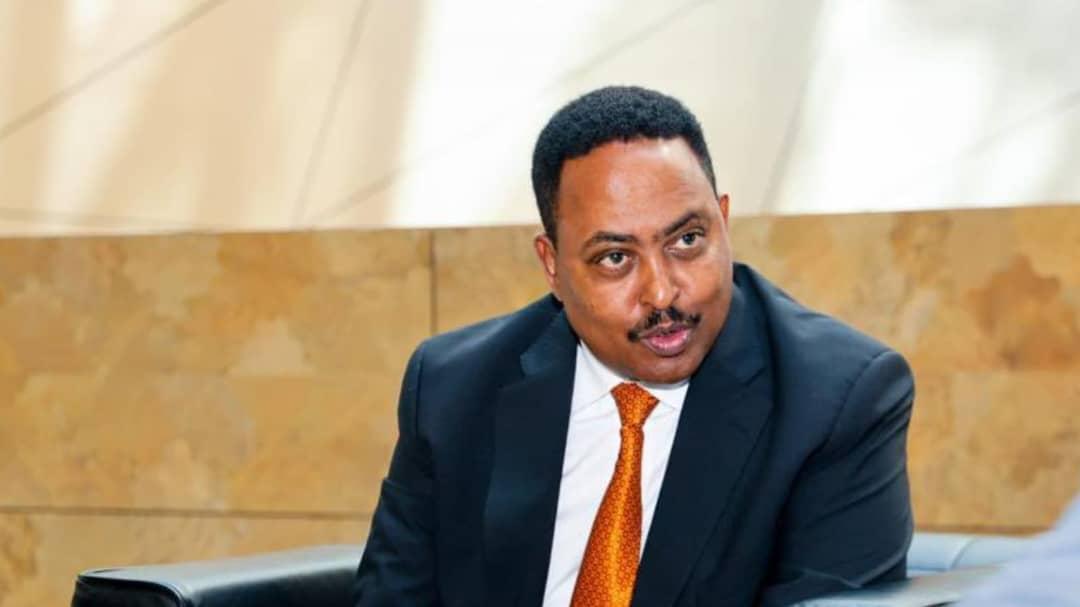
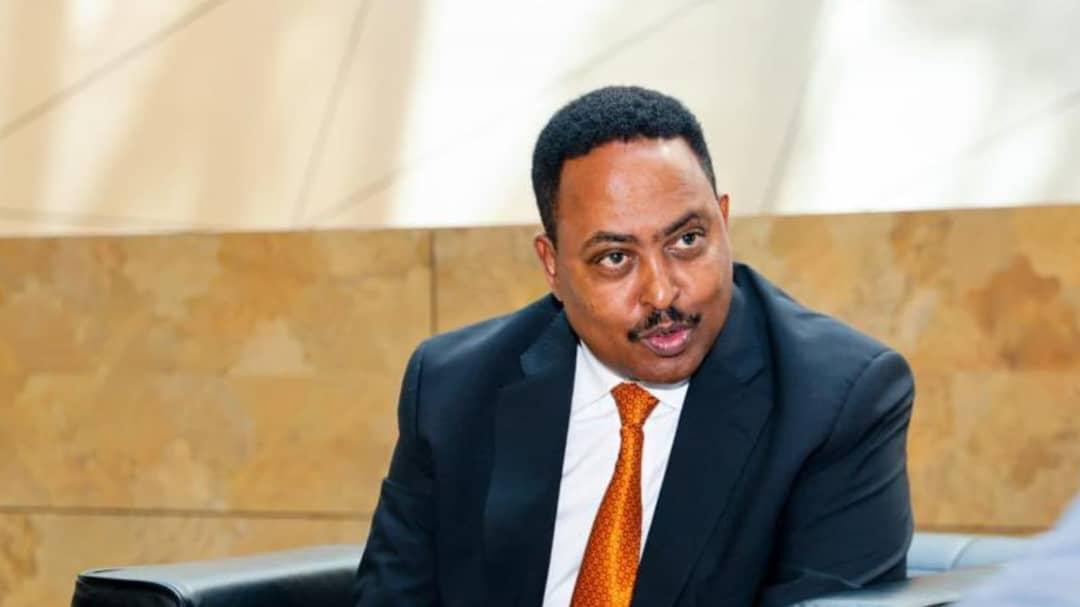
Dr. Workneh Gebeyehu , IGAD Executive Secretary urges steady funding and lasting peace as key solutions to the region’s displacement crisis. File photo
Edited by Zoomer Africa editorial, Zoomer Africa your number one grassroot information hub for Africa news stories and updates

 Arabic
 French
