


 About Us
 Terms
Terms
 Privacy
 Community Guidelines
Caritas Nebbi Catholic Diocese Empowers Smallholder Farmers with Modern Agronomic Practices
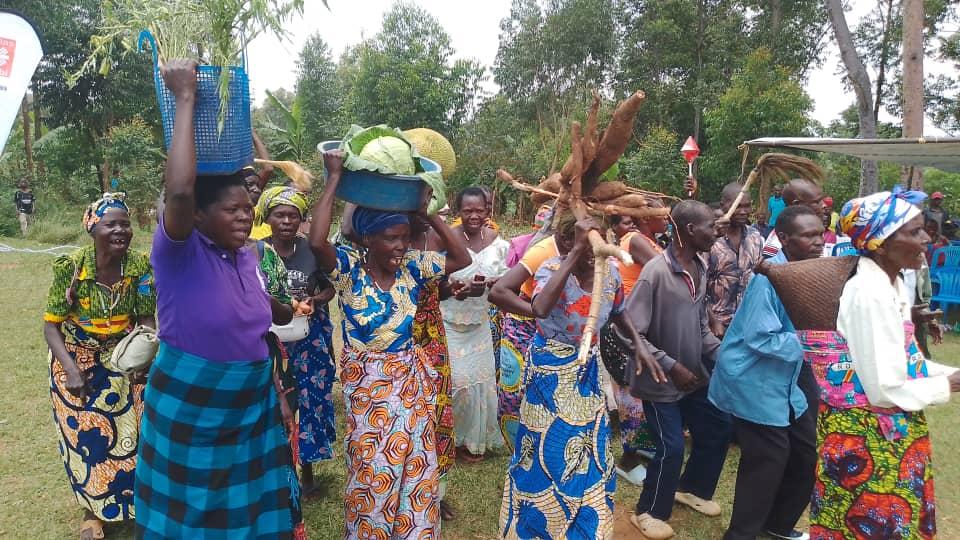
By Mike Rwothomio
Caritas Nebbi Catholic Diocese urged smallholder farmers to apply acquired agronomic knowledge and skills to transform livelihoods and build resilient agricultural enterprises.
The appeal was made by Emmanuel Oyirwoth, Program Officer at Caritas Nebbi, on Friday during a Farmers’ Day and Exhibition for beneficiaries of 8 farmer groups under the Caritas project in Asina and Serr Parishes, Abanga Sub-County, Zombo District.
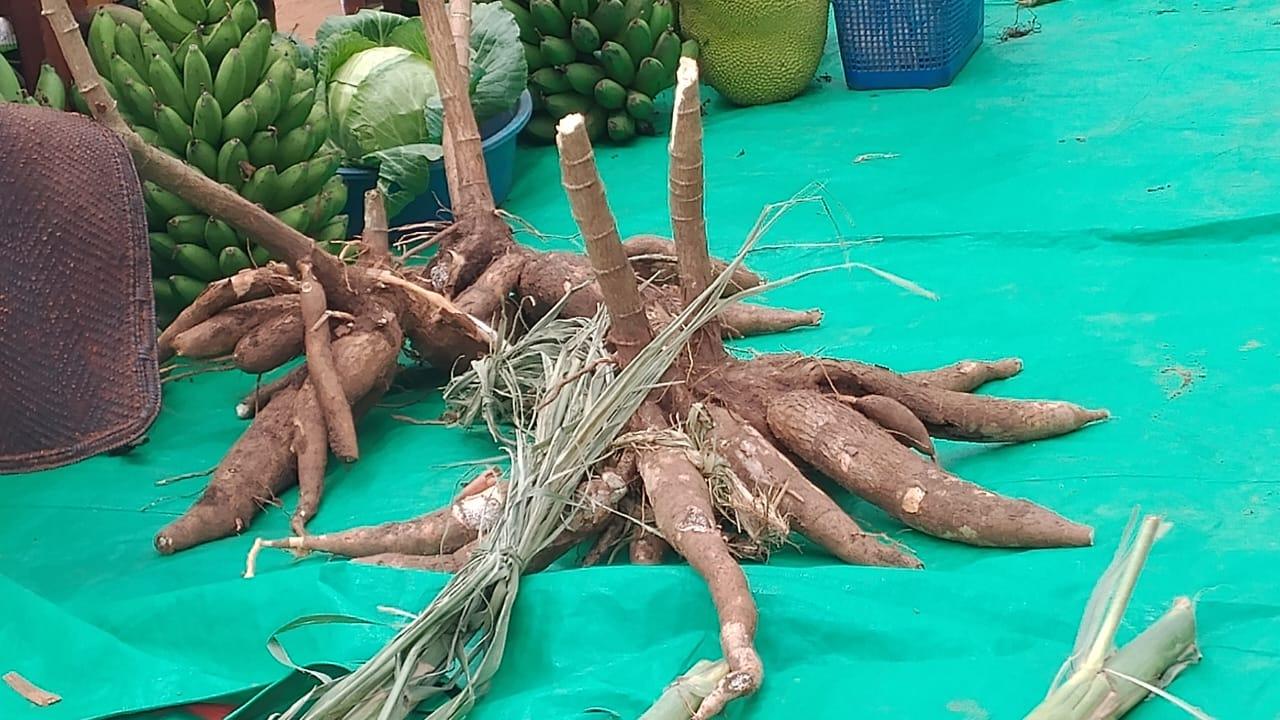
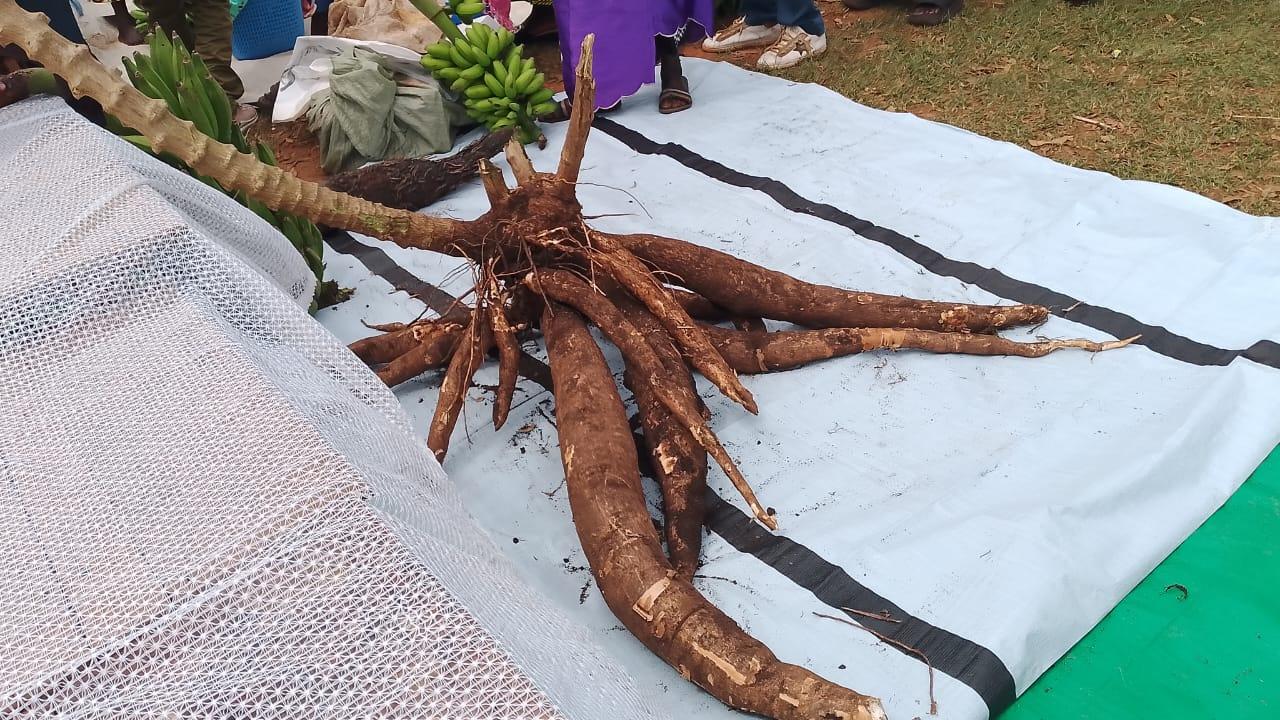
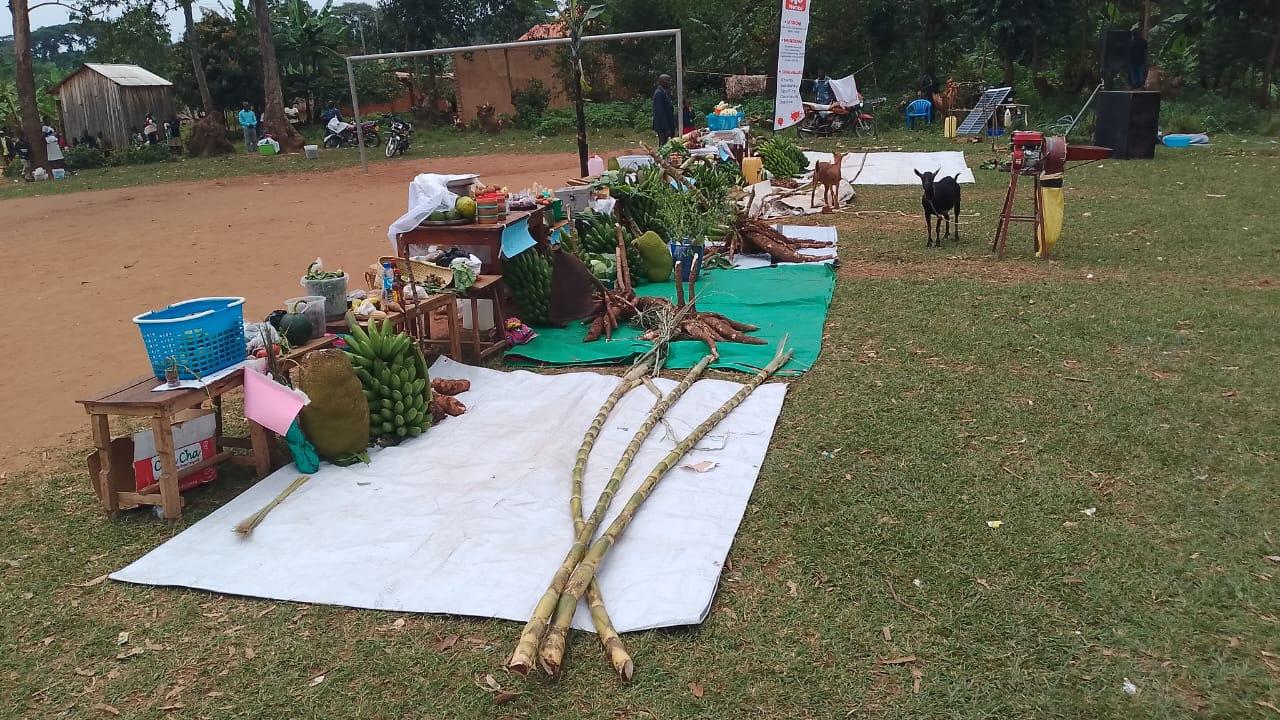
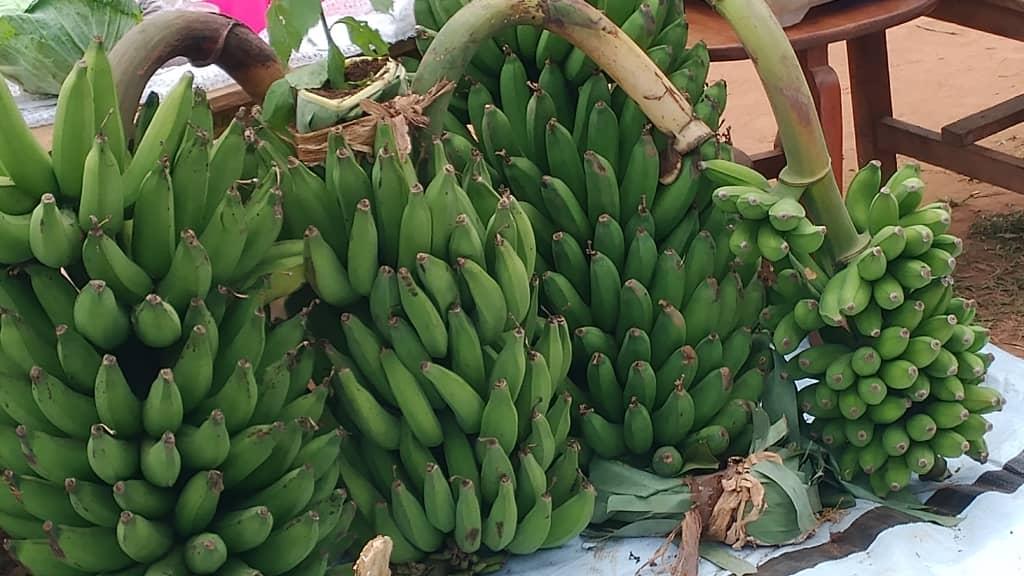
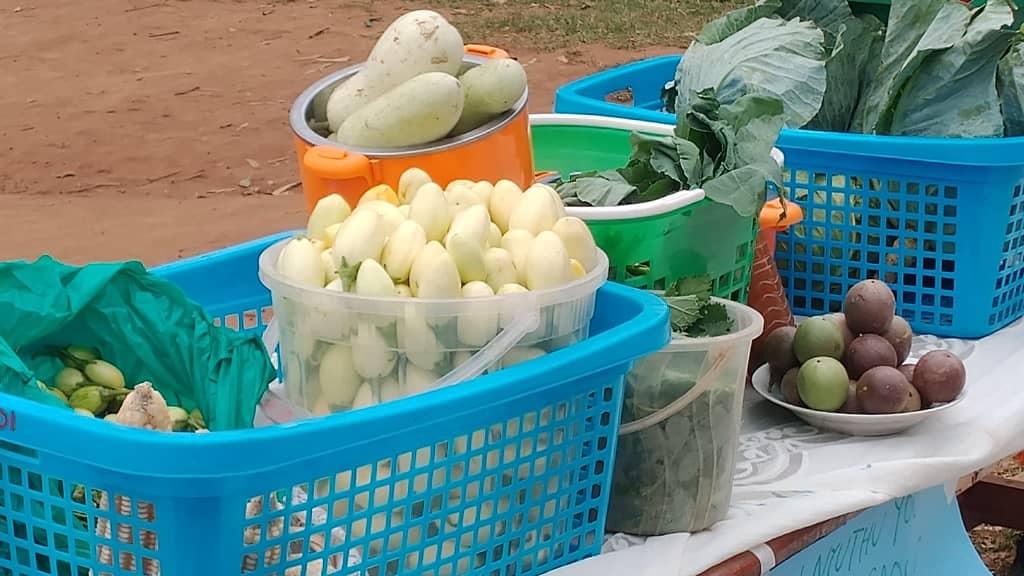
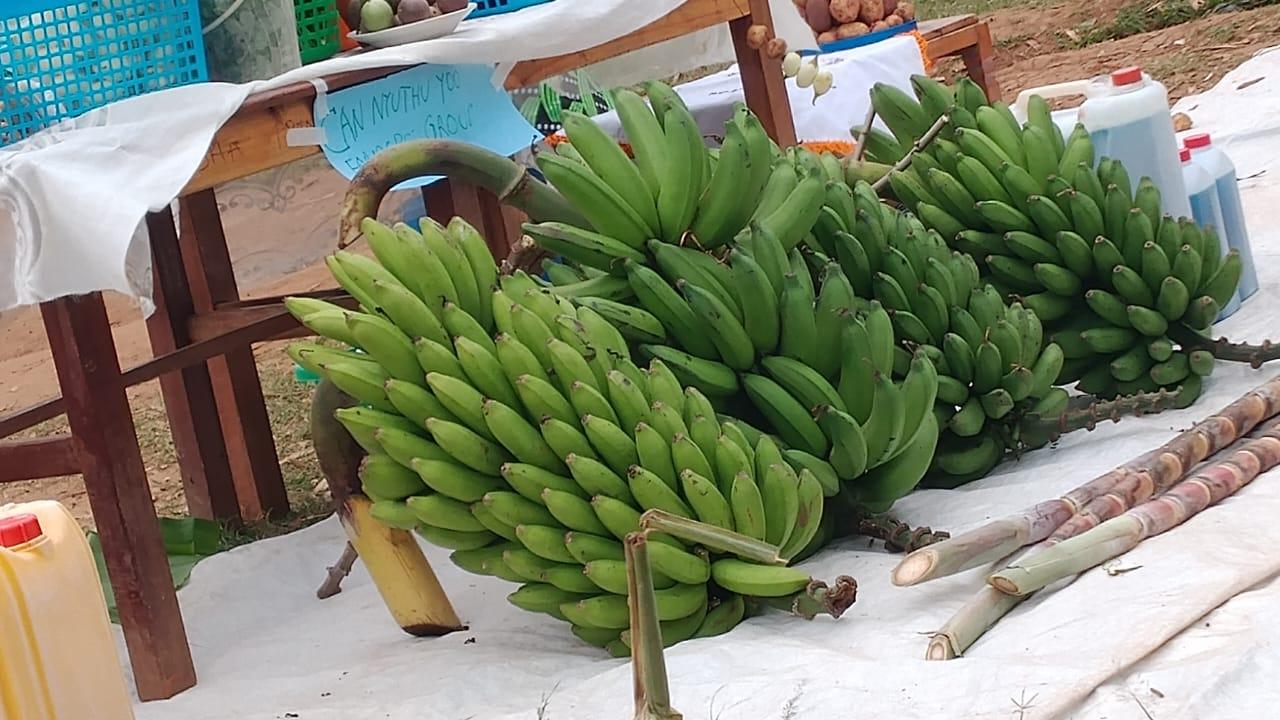
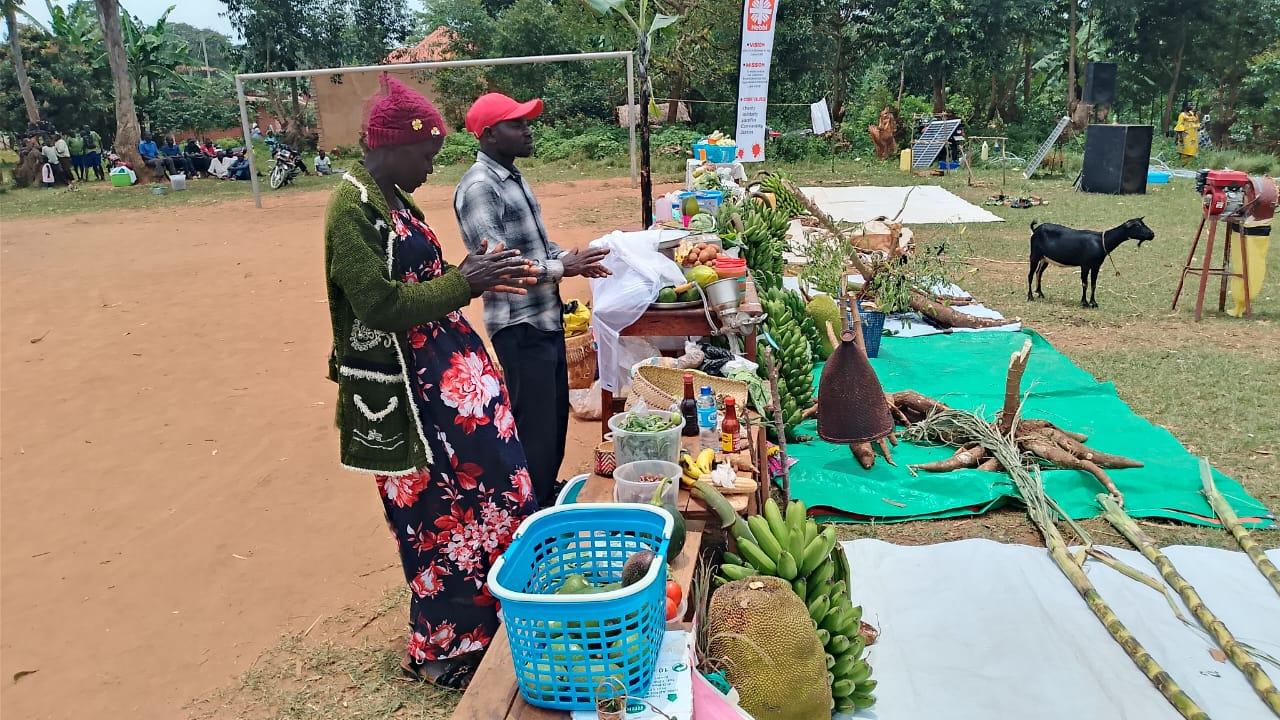
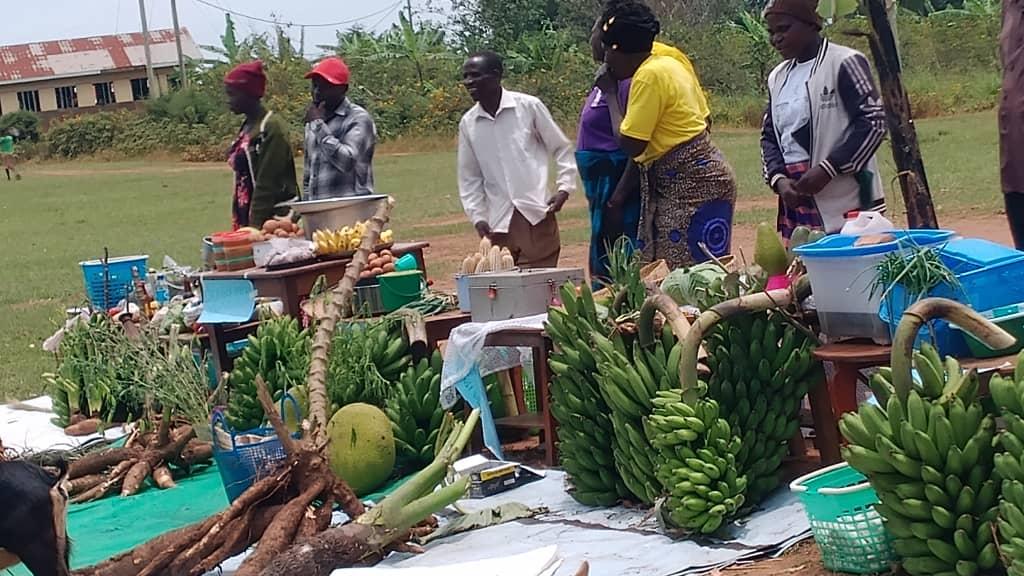
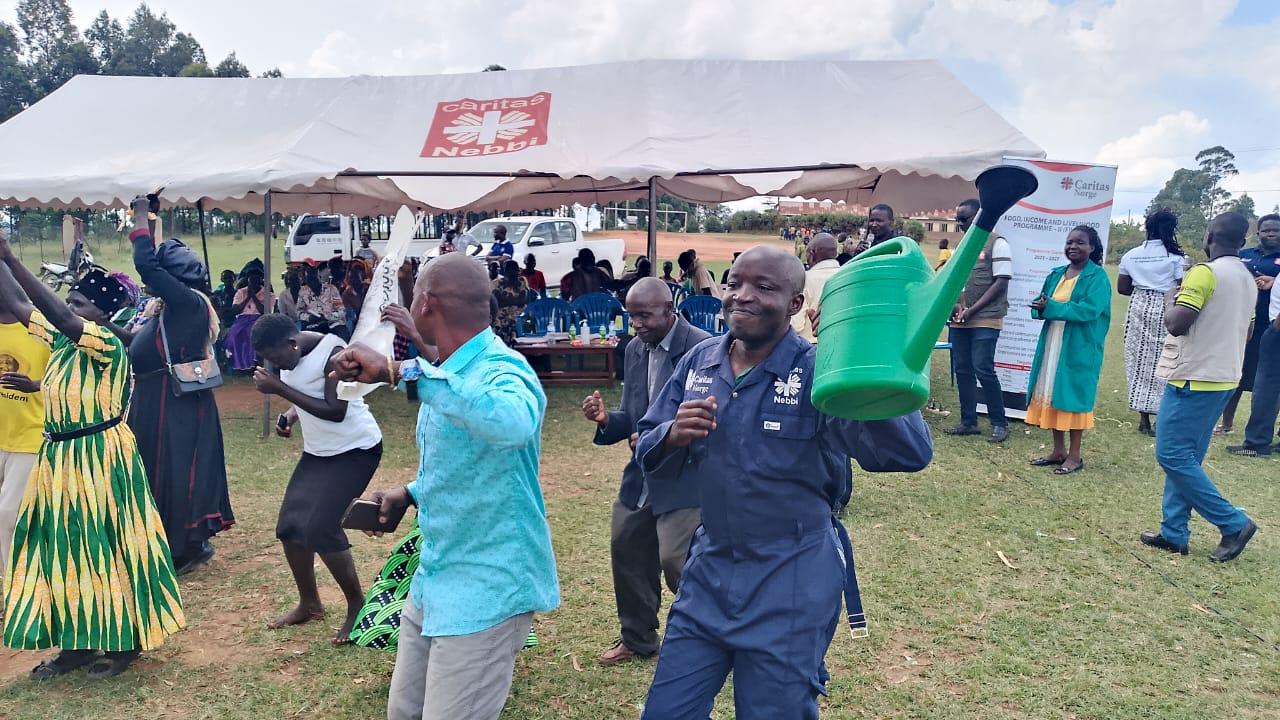
The event at Pakadha Primary School playground, Pakadha Parish, showcased improved farming technologies, knowledge sharing, market linkages, agricultural financing, value addition, networking, youth involvement, and recognition of outstanding farmer groups.
“We urge all farmers to put the knowledge and skills gained into better agronomic practices so that they can improve their livelihoods sustainably,” Oyirwoth stated.
Caritas modern agriculture, encompassing improved seeds, soil fertility management, integrated pest and disease control, irrigation, climate-smart techniques, good post-harvest handling, and value addition, has delivered higher yields, more efficient input use, reduced losses, better product quality, and greater market competitivenes.
According tom Oyirwoth “This is not just about training; it is about translating good agricultural practices, such as proper spacing, soil fertility management, integrated pest management, and climate-smart techniques into higher yields, better nutrition, and increased household incomes.”
The gathering formed part of the Food, Income and Livelihood Programme II (FILP II), a five-year initiative running from 2023 to 2027.
Funded by Caritas Norway, the programme aims to reduce poverty and hunger among targeted smallholder farmers.
Through training in good agronomic practices, provision of improved seeds and inputs, study tours, demonstration plots, and support for value addition and market linkages, Caritas has helped households move from subsistence to more commercial and resilient farming.
According to Okirwoth, the Program specific objectives include ensuring food security and improved nutrition, increasing income and market access, building climate resilience, and strengthening Civil Society Organizations as agents of change.
Targeted areas under FILP II cover Zombo District’s Kango and Abanga Sub-Counties with 1,800 households each, Nebbi District’s Parombo/Acana with 900 households, and Pakwach District’s Panyimur with 900 households.
While government provides policy direction, input subsidies, and infrastructure, Caritas delivers intensive community-level capacity building, farmer group strengthening, and practical demonstration of climate-smart and organic techniques, market access facilitation, and community mobilization
The Sub county chief of Abanga commended Caritas for complementing government efforts in modern agricultural initiatives and urged farmers “to ensure these knowledge help to transform your lives,” calling for registration of farmer group chairpersons for programme follow-up.
Meanwhile Dorothi Aciro, the sub county agriculture officer for Abanga, said “go back with the knowledge you have gotten from each other.
The Caritas initiatives centered on promotion of irrigation systems, aquaculture expansion, piggery projects for single mothers, education support for orphans and vulnerable children, clean water provision, aid to refugees, and humanitarian responses.
Justine Oryem, Councillor for Serr Parish in Abanga Sub County, emphasized sustainability. This approach, he said will amplify impact and promotes sustainability beyond project cycles.
“Farmers must own these interventions. The knowledge Caritas has given us on soil conservation, post-harvest handling, and enterprise diversification should not end with the project. We need to continue practicing and teaching others so that the gains become permanent in our communities.” Oryem said.
Caritas efforts have equipped farmers with better practices, enabled access to government livelihood grants, and fostered group savings and collective action.
Farmers tell success stories
Farmers lauded the initiative and shared success stories illustrating the impact of modern agricultural techniques.
Macakadhu Martin, a farmer from Andhi village, Serr Parish under Nen Kutic farmer group, said the knowledge attained from Caritas has helped him and others boost production.
Canuroma Rosyelne from Nen Kutimu group said “I have seen improved nutrition after Caritas trained us on how to manage kitchen garden. We have so many vegetables that has improve on our diet at home.”
Grace Akello, a maize and cassava intercropping farmer from Asina Parish, reported dramatically improved yields.
“Before Caritas trained us on proper land preparation, certified seed selection, and timely weeding, I harvested barely enough for home consumption. Now, using row planting, organic manure, and intercropping maize with cassava for dual-purpose production, my garden yields more maize and substantial cassava roots,” Akello explained
A farmer specializing in improved poultry under a farmer group in Serr Parish highlighted livestock enterprise transformation.
Lilian Thorach, who invested in aquaculture in Serr Parish, said “we use to think the aquaculture is only for men but through continuous knowledge and training from Caritas, we are in it. In our group, more women have equally embraced the initiative.”
One female farmer, a vegetable and kitchen garden entrepreneur utilizing small-scale irrigation, described dry-season production gains.
“With training on drip irrigation, raised beds, and integrated pest management using botanical pesticides, I now grow tomatoes, onions, cabbages, and leafy greens even when rains fail,” she said.
Caritas’ diverse enterprises including crop intercropping, poultry, irrigated horticulture, beekeeping, and aquaculture demonstrate emphasis on enterprise diversification, value addition, and climate-smart agriculture.
Caritas Nebbi is the faith-based socio-economic development arm of Nebbi Catholic Diocese, operating under the vision of “Life in its Fullness for All” (John 10:10) and the mission of liberating humanity from all that oppresses it, guided by Dignity, Justice, Solidarity, and Stewardship.
Beyond FILP II, Caritas Nebbi has implemented the Food and Economic Security Project, funded by Bread for the World (Germany), training farmers in agro ecology, organic farming, and climate-smart agriculture in Nebbi District.
The Caritas Food Income and Livelihood interventions, supported by Caritas Norway, reached thousands of farmers across Zombo, Pakwach, and other areas through farmer groups, demonstration gardens, capacity building, and mentorship.
Beneficiaries report improved food security, better nutrition from diversified production, and higher incomes for school fees, housing improvements, and asset acquisition.
Climate resilience has increased through agro ecology, soil conservation, and water management.
Youth and women participation has been prioritized, creating agents of change within communities.
Agriculture remains the backbone of Uganda’s economy and rural livelihoods, providing the primary source of food, employment, and cash income.
Diversified and modernized farming reduces hunger, improves household nutrition, generates surplus for sale, creates jobs, and builds household assets and resilience against shocks.
This Caritas initiative supplements various poverty alleviation and agricultural modernization efforts by the Government of Uganda.
Agriculture employs 65-70% of the labour force, supports food security, generates export earnings, and provides raw materials for agro-processing, contributing approximately 24-26% of Uganda’s GDP.
Caritas Nebbi works in complementarity with government efforts under the National Development Plan and Ministry of Agriculture programs and local extension services.
This has bridged gaps in extension coverage, promoted agro ecology and irrigation, helped farmer groups qualify for government grants, and fostered linkages.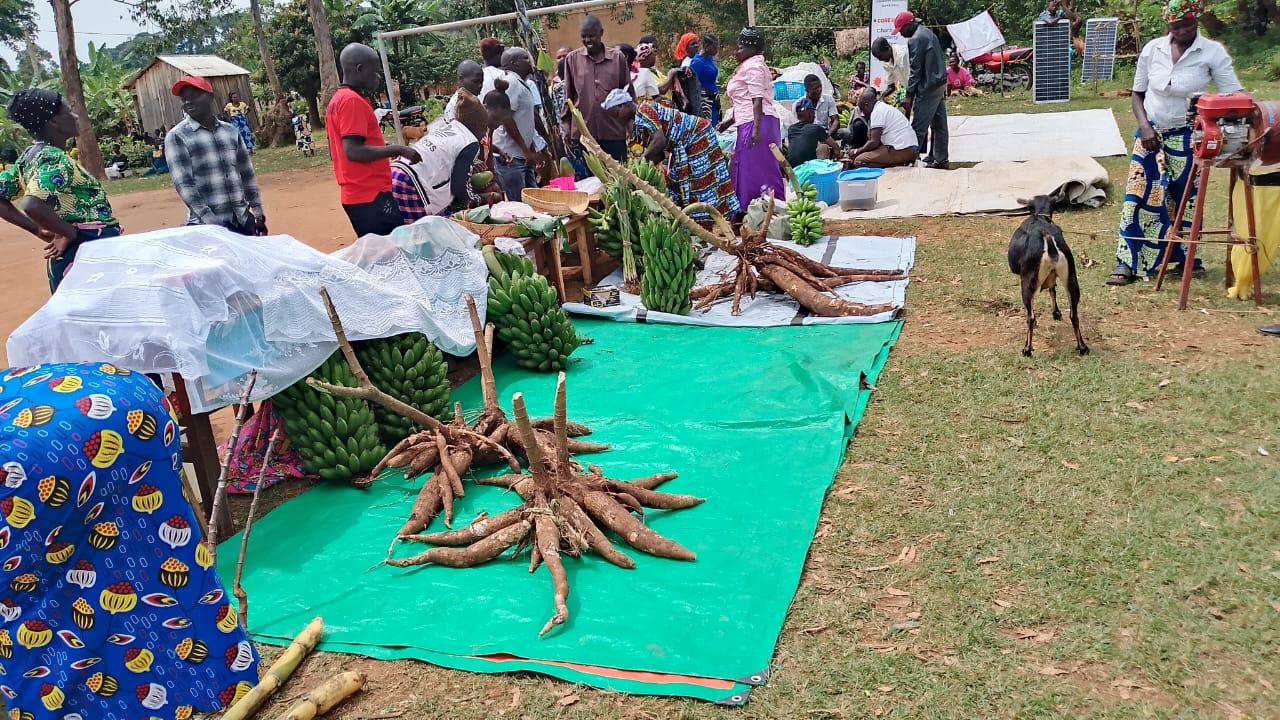 farmers during the exhibition
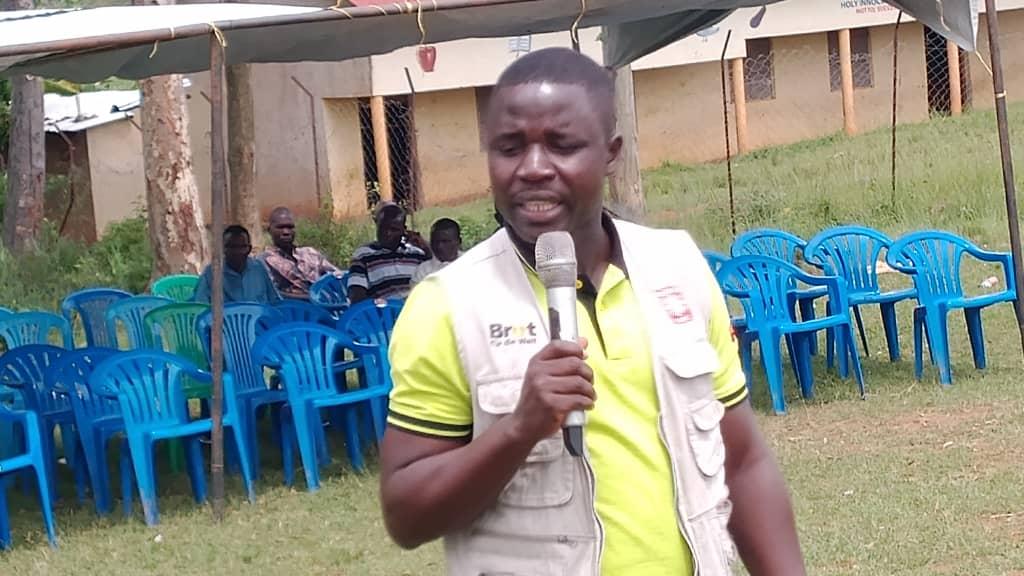 Emmanuel Oyirwoth, program officer of Caritas Nebbi
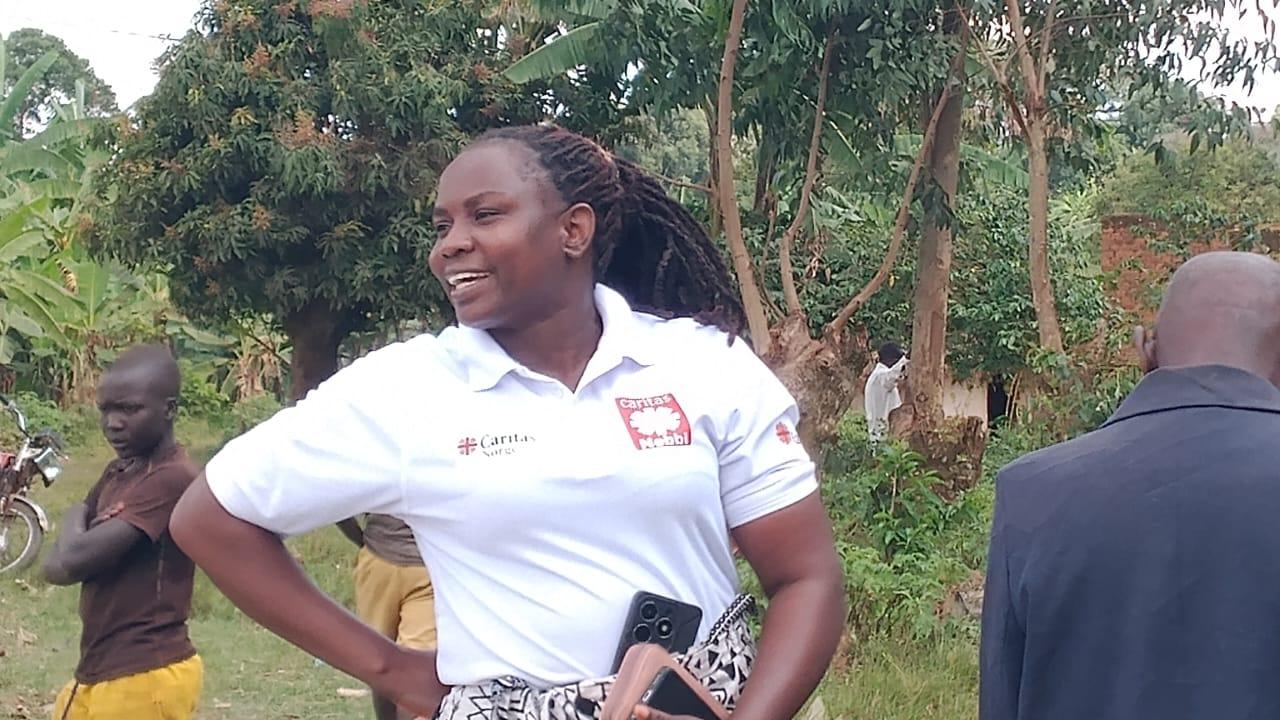 Moureen Wilembe interacts with farmers during the farmers day.
Mike Rwothomio is news editor at Zoomer Africa your number one grassroot information hub for African news trends and updates stay connected and Informed!


 Arabic
 French
