


 About Us
 الشروط
 الخصوصية
 Community Guidelines
How to Select the Best Butterfly Ball Valve for Industrial Systems
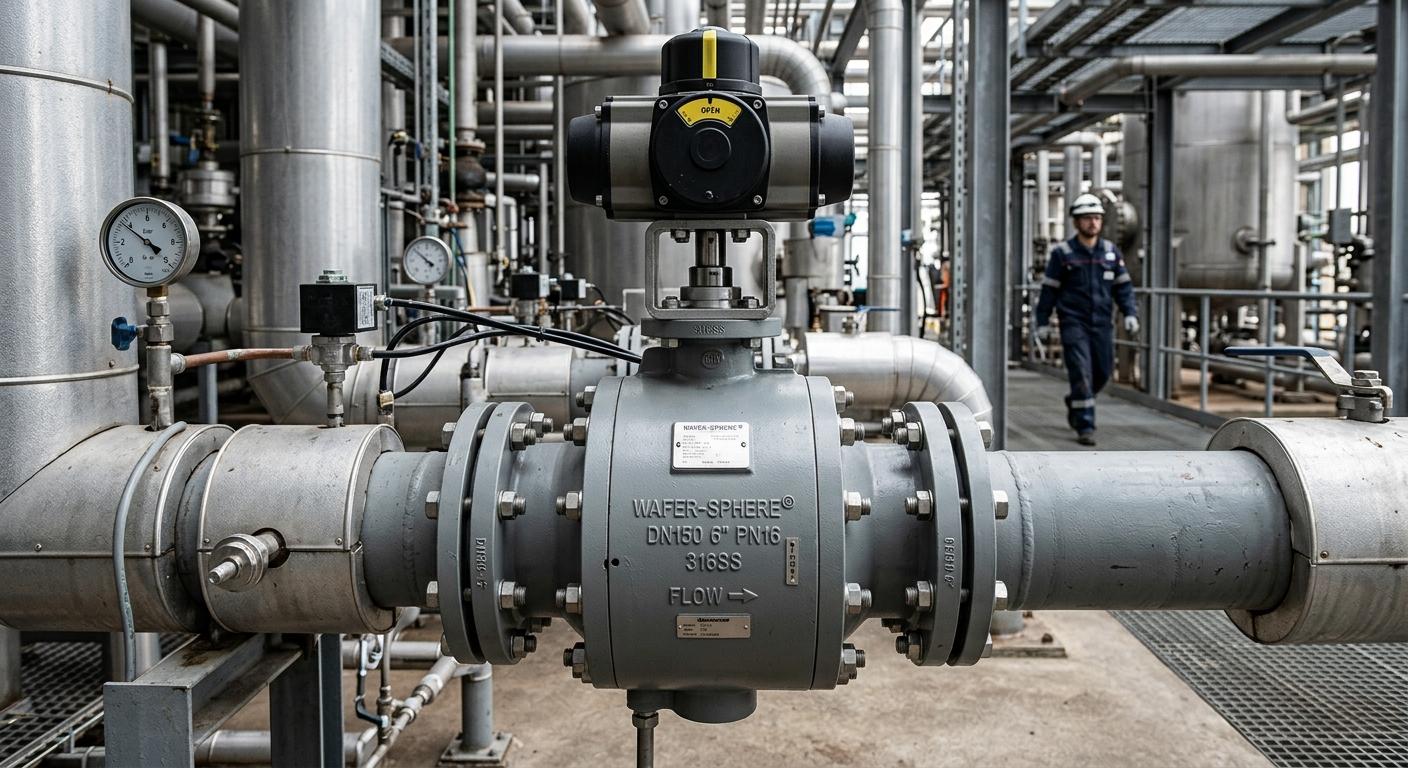
Reliable flow control is essential for the safe and efficient operation of industrial pipelines. Manufacturing facilities, water treatment plants, chemical processing units, and commercial buildings all depend on valves to regulate liquids and gases. A butterfly ball valve is a common search term among buyers exploring these products, but understanding the difference between butterfly valves and ball valves is important before making a purchase.
Both valve types provide quarter-turn operation, which allows users to control flow with a relatively short movement. However, their designs, sealing characteristics, and suitable applications can vary. Choosing the right option requires careful consideration of the system's technical requirements and expected operating conditions.
Understanding Valve Design and Operation
Butterfly valves contain a disc positioned inside the pipeline. The disc rotates around a shaft to control the movement of fluid. When the disc turns parallel to the flow, fluid can pass through the valve. When it turns across the flow path, the valve restricts or stops the movement.
This simple construction makes butterfly valves useful in systems where space, weight, and cost are important factors. They are often installed in water supply networks, ventilation systems, industrial cooling circuits, and wastewater facilities.
Ball valves operate through a different mechanism. A ball with a central opening rotates inside the valve body. The opening allows fluid to pass when aligned with the pipe. A quarter turn moves the ball into a closed position, blocking the flow.
The choice between these designs depends on the application. A butterfly valve may suit large pipelines with space limitations, while a ball valve may be preferred where dependable shutoff is a major requirement.
Importance of Material Selection
The material used in a valve affects its strength, corrosion resistance, service life, and compatibility with the process fluid. Industrial buyers should consider both the valve body and the internal sealing components.
Stainless steel is commonly selected for applications that require corrosion resistance and durability. It can be suitable for certain food processing, pharmaceutical, chemical, and water handling systems, provided the selected grade meets the application's requirements.
Cast iron and ductile iron are frequently used in water distribution and building services. Carbon steel may be appropriate for specific industrial processes that require strength and suitable pressure ratings. Brass is another option in some smaller-scale plumbing and general-purpose applications.
Material compatibility becomes particularly important when handling aggressive chemicals, high-temperature fluids, or abrasive materials. The wrong material can deteriorate quickly and cause leaks or unexpected equipment failure.
Buyers should check chemical compatibility charts, temperature limits, pressure ratings, and manufacturer documentation before selecting a product.
Evaluating Pressure and Temperature Requirements
Every valve is designed to operate within defined pressure and temperature limits. Installing a valve outside these limits can compromise sealing performance and increase the risk of failure.
Before purchasing a butterfly or ball valve, businesses should identify the normal operating pressure, maximum possible pressure, expected temperature range, and any pressure fluctuations in the system.
The sealing material also needs careful consideration. Different elastomers and polymer seats have different resistance levels to heat, chemicals, and mechanical wear. A material that works well with cool water may not be suitable for hot oil or certain chemical solutions.
Industrial systems that experience frequent pressure changes may require additional engineering evaluation. Consulting the valve manufacturer can help confirm that the selected design meets the application's operating conditions.
Installation and Pipeline Compatibility
Correct installation plays an important role in valve performance. Buyers should verify the pipeline diameter, connection type, available space, and direction of installation before ordering equipment.
Butterfly valves are available in wafer, lug, and flanged designs. Wafer-style valves fit between pipeline flanges, while lug-style designs provide threaded inserts for particular installation arrangements. Flanged valves use flange connections that can simplify alignment in compatible systems.
Ball valves are also available with different connection types, including threaded, flanged, and welded ends. Each option has specific installation requirements.
The valve must fit the pipeline correctly without placing unnecessary stress on its body or connections. Incorrect alignment, unsuitable fasteners, and improper gasket installation can contribute to leakage and premature wear.
Installation should follow the manufacturer's instructions and the applicable safety standards for the facility.
Benefits of Working With a Reliable Supplier
A reliable supplier helps buyers identify products that match their technical requirements. Beyond providing equipment, an experienced supplier should offer clear specifications, material information, pressure ratings, and guidance on suitable applications.
Businesses should also consider product availability, replacement parts, warranty conditions, delivery schedules, and after-sales support. These factors can make a significant difference when a valve is essential to continuous production.
Before placing an order, request technical datasheets and verify that the product meets the relevant project specifications. For critical applications, confirm applicable certifications and testing documentation rather than relying on general product descriptions.
Comparing suppliers based on technical suitability and long-term value can help businesses avoid unnecessary expenses.
Maintenance Practices for Better Reliability
Routine inspections help identify developing problems before they cause system interruptions. Maintenance teams should look for visible leakage, corrosion, loose connections, damaged actuators, and unusual operating resistance.
Butterfly valves should be inspected for disc damage, shaft wear, and deterioration of sealing components. Ball valves require attention to the ball surface, seats, stem packing, and operating mechanism.
The frequency of maintenance depends on operating conditions, fluid quality, and manufacturer recommendations. Systems that handle abrasive or corrosive fluids may require more frequent inspections than systems carrying clean water.
Before inspecting or repairing a valve, workers should isolate the equipment and verify that the pipeline is depressurized. Lockout procedures and other site-specific safety requirements should always be followed.
Improving Industrial Efficiency Through Proper Valve Selection
Correct valve selection supports reliable operation, effective flow management, and lower maintenance costs. A suitable design can help reduce unnecessary interruptions and improve the performance of the wider pipeline system.
Butterfly valves can be practical for large-diameter applications where compact construction and efficient flow control are priorities. Ball valves can be effective where quick operation and reliable isolation are needed. Neither design is universally best; the correct choice depends on the process and its operating requirements.
Businesses should evaluate the valve's full service life rather than choosing solely on initial cost. Durability, compatibility, ease of maintenance, and replacement-part availability all contribute to long-term value.
Conclusion
Selecting the right butterfly or ball valve requires a clear understanding of the system's pressure, temperature, fluid properties, connection requirements, and shutoff needs. Although these valve types share some operational similarities, their internal mechanisms make them suitable for different applications.
By reviewing technical specifications, choosing compatible materials, following correct installation practices, and maintaining equipment regularly, businesses can improve pipeline reliability and achieve better long-term performance.


 English
 French
