

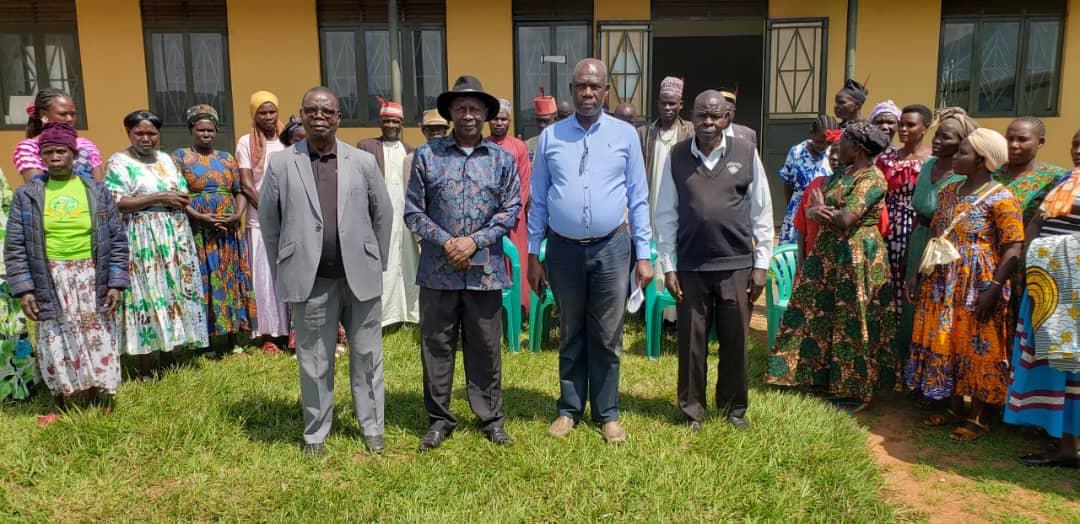
Alur Kingdom trains women, cultural leaders for three days to improve access to justice, fight GBV

By Mike Rwothomio
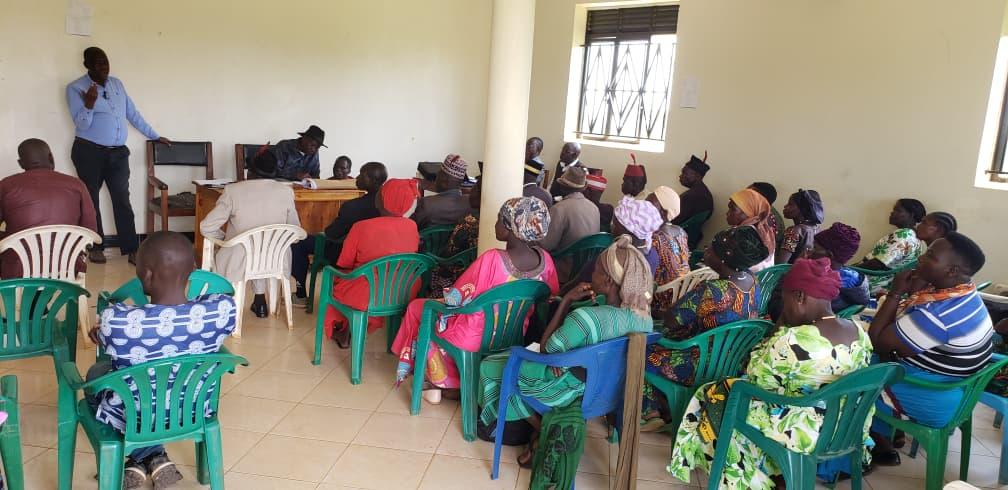
Alur Kingdom has launched a three-day capacity-building training for women and cultural leaders aimed at strengthening women's access to justice, promoting gender equality and combating gender-based violence (GBV) through the Alur Traditional Justice System (ATJS).
The training, running from November 26 to 28, 2026, at Zombo Town Council Hall in Zombo District, brings together women and cultural leaders to examine challenges limiting women's participation in traditional justice processes and identify practical measures to address them.
Key facilitators include Bob Opio Okech, the Kingdom's Minister of Culture and Legal Affairs, and Sunday Kayom from MEMPROW, among others.
The interventions, under the leadership of His Majesty Ubimu Phillip Rauni Olarker III, the Alur monarch who presides over 56 chiefdoms in Uganda and eight in the Democratic Republic of Congo (DRC), are expected to help women participate more actively in leadership, understand their rights, report abuse and access fairer dispute-resolution processes.
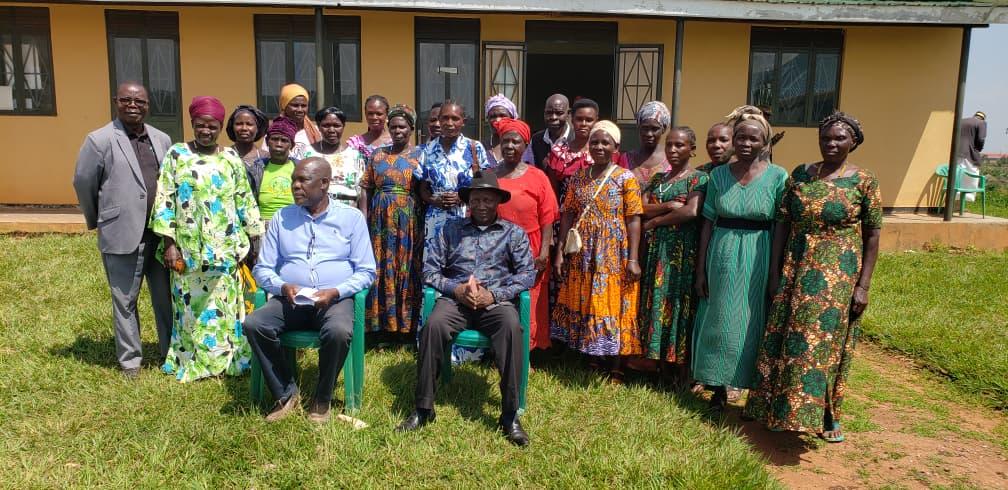
Key participants include Rwoth Evaristo Keronega of Avari Chiefdom, Cwombe Jalsinda of Okayo Chiefdom, Rwoth Philliph Jariri of Pei-Ogombo Chiefdom, Ocan Henry of Cula Muk, Yoacel Nickson of Alengo Lari Chiefdom, Osoru Comfort Santa of Alengo Lari, who represented women, and Acanda Beta, a women's representative from Alengo Lari.
Others are Afoyorwoth Manuela, a women's representative from Abeju-Maketh; Afoyorwoth Joyce and Pirango Lillian, both women's representatives from Culamuk Chiefdom; Ozelle Mary, a women leader from Avari Chiefdom; Ozelle Margaret from Aringu; and Ayerango Florence from Pei-Ogombo, among others.
The workshop is funded by UN Women Uganda and coordinated by the Cross-Cultural Foundation of Uganda (CCFU) and the Council of Traditional Leaders of Africa (COTLA), Uganda Chapter, under the Ministry of Gender, Labour and Social Development.
Speaking during the opening on Thursday, Zombo District Community Development Officer Samuel Ocaki appreciated "the Alur Kingdom and other development partners for championing the rights of women and girls" and urged them to intensify the initiative.
He called on chiefs and other cultural leaders to play a key role in spreading awareness and advised against harmful cultural practices that do not value the rights of women and girls.
Ocaki also pledged the district's commitment to advancing women's and girls' rights and supporting other initiatives that create a safer haven for both women and men to live peacefully.
Presenting the Kingdom's position, Alur Kingdom Prime Minister (Jadipu), Prince Lawrence Opar Angala, said the training was part of King Phillip Olarker Rauni III's efforts to make traditional justice more inclusive, accessible and responsive to the needs of women and girls.
Angala said although women constitute 53.6 per cent of the 1,152,858 Alur population in Nebbi, Zombo and Pakwach districts, according to the 2024 Uganda Bureau of Statistics census, their participation in traditional leadership and justice structures has historically remained limited.
"Women constitute the majority of our population, yet their participation in traditional leadership and justice processes has remained minimal. We must change this imbalance and give women a meaningful voice in decisions that affect their lives," Angala said.
He said the training would equip cultural leaders with knowledge and practical skills to handle disputes involving women and girls fairly, protect their rights and strengthen community-based mechanisms for preventing and responding to gender-based violence.
The Kingdom is proposing increased representation of women in clan councils and traditional justice committees, allowing them to serve as cultural advisers, mediators and decision-makers.
Other proposed measures include protecting widows against land grabbing, safeguarding daughters' inheritance rights, addressing forced and early marriages, domestic violence, sexual exploitation and abuse, and ending discrimination against women.
Angala said the Kingdom also wants traditional justice processes to become safer and more affordable for women, particularly survivors of abuse who may fear reporting cases because of stigma, family pressure, economic dependence or threats.
"Justice must not only be available to women; it must also be fair, affordable and accessible. A woman should not be denied justice because she cannot afford transport, legal representation or excessive payments demanded before her complaint is heard," he said.
He added that the Kingdom was considering stronger confidentiality and protection mechanisms, including safe spaces for women and girls to report abuse and channels for handling sensitive complaints without exposing survivors to further harm.
According to data published by the United Nations Population Fund (UNFPA) and UN Women, women and girls in Uganda continue to face widespread violations of their fundamental rights, including domestic violence, sexual abuse, child marriage, economic discrimination and harmful cultural practices.
The 2022 Uganda Demographic and Health Survey indicates that 44 per cent of women aged 15–49 have experienced physical violence since the age of 15, while 17 per cent have experienced sexual violence.
The UN data further indicates that 54 per cent of ever-married women have experienced emotional, physical or sexual violence from a spouse or intimate partner.
Meanwhile, approximately 34 per cent of women aged 20–24 were married before their 18th birthday, highlighting the continued prevalence of child marriage and the need for stronger interventions to protect women's and girls' rights, promote gender equality and eliminate gender-based violence.
Building on the King's Kura Matira philosophy
Angala further called for closer cooperation between traditional leaders and formal justice institutions, including the Uganda Police Force's Child and Family Protection Unit, courts, district community development officers, probation and social welfare officers, local councils and health facilities.
He said the proposed reforms would be anchored in the Kingdom's traditional justice principles, particularly "Kura Matira", an African philosophy of humanness that emphasises love, fairness, justice, equality and peaceful coexistence.
He explained that the Alur Traditional Justice System relies on truth-telling, locally known as "Ajja", fairness in justice or "Ngol Matira", compensation ("Culu kwor") and reconciliation to restore relationships and promote social harmony.
"Kura Matira must not remain a cultural expression. It must be reflected in how we treat one another, how we resolve disputes and how we protect the dignity of women and girls," Angala said.
He said the King's vision was to ensure that traditional justice promotes fairness and reconciliation without compromising the dignity and human rights of women and girls.
The Prime Minister emphasised that traditional justice should complement, rather than replace, formal courts, particularly in matters involving serious criminal offences.
The three-day training builds on Alur Kingdom's broader efforts to strengthen women's participation in cultural leadership, community development and the protection of vulnerable groups.
According to the Kingdom, through its engagement with development partners, particularly UN Women Uganda and CCFU, the capacity of cultural leaders is being strengthened to directly address harmful cultural practices, promote women's rights and improve access to community-based justice.
The Kingdom has recommended the establishment of women representatives in clans and traditional justice committees, development of clear guidelines for handling cases involving women and girls, confidential reporting channels and monitoring of traditional justice decisions to identify discriminatory practices.
Angala thanked UN Women Uganda and CCFU for their financial and technical support towards strengthening the Kingdom's traditional justice structures.
"We appreciate our development partners for walking with Alur Kingdom in strengthening a traditional justice system that respects the dignity of our people, especially women and girls. Our responsibility now is to translate this support and training into practical action within our communities," he said.
The Prime Minister said the Kingdom, under the leadership of King Phillip Olarker Rauni III and the Council of Chiefs and Clan Leaders, remained committed to improving women's access to sustainable justice in accordance with Uganda's laws and human rights standards.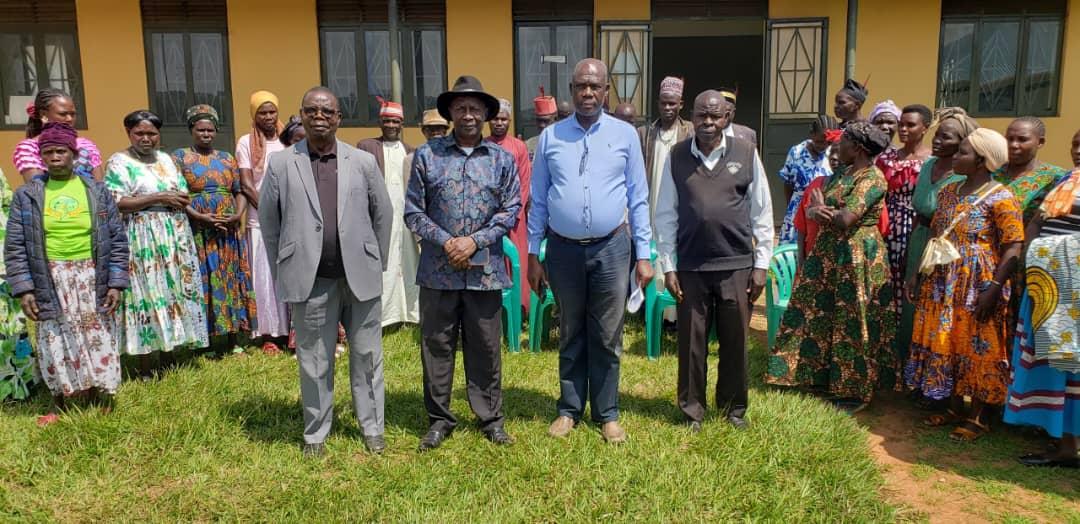 Alur Kingdom Prime Minister Prince Lawrence Opar Angala (wearing a hat), Bob Opio, the Kingdom’s Minister for Culture and Legal Affairs (left), District Community Development Officer (CDO) Samuel Ocaki (second right), and Zombo Town Council Speaker (right) pose for a photograph with chiefs and women representatives from different chiefdoms at Zombo Town Council headquarters at the start of the three-day training.
Zoomer Africa your number one grassroot information hub for African news trends and updates.