


 About Us
 الشروط
 الخصوصية
 Community Guidelines
Mp Songa Honors Muslim Community in Eid-el-Fitr Message
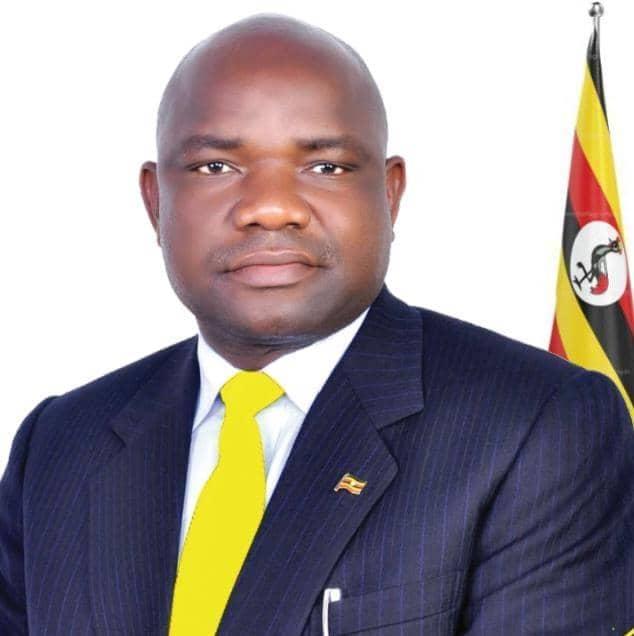
By Mike Rwothomio
In a heartfelt address, Hon Biyika Laurence Songa, Member of Parliament for Oraa County, extended warm Eid-el-Fitr greetings to the nation, with a special focus on the Muslim community, as they mark the end of Ramadan.
The message highlights the significance of the occasion and celebrates the unity and blessings it brings.
Eid-el-Fitr, the festival that concludes the holy month of Ramadan, was described as a joyous time for families and friends to gather, reflect on the spiritual growth achieved through fasting, and embrace values such as compassion and kindness.
The MP emphasized the importance of renewing a collective commitment to serving others during this festive period.
Tribute to Muslim Contributions
Hon Songa paid tribute to the Muslim community for their remarkable contributions across various sectors, including business, education, healthcare, and the arts.
He praised their efforts in promoting understanding, supporting the less fortunate, and fostering unity among diverse groups, calling their work "truly inspiring."
The message also served as a call to action, urging citizens to uphold the principles of peace, justice, and equality that bind the nation together.
The MP expressed his vision for a future where every individual can thrive, emphasizing the role of Eid-el-Fitr in reinforcing these shared values.
Warm Eid Mubarak Wishes
Concluding his address, Hon Biyika Laurence Songa wished everyone an "Eid Mubarak," hoping the celebration brings joy, happiness, and abundant blessings to all households. His message underscores the spirit of togetherness and optimism for the year ahead.
Eid-el-Fitr, also known as the "Festival of Breaking the Fast," is one of the most significant celebrations in Islam. It marks the end of Ramadan, a month-long period of fasting from dawn until dusk, during which Muslims abstain from food, drink, and other physical needs as an act of devotion, self-discipline, and spiritual reflection.
The festival typically falls on the first day of Shawwal, the tenth month of the Islamic lunar calendar, and its date varies each year based on the sighting of the new moon.
The origins of Eid-el-Fitr trace back to the time of the Prophet Muhammad, who established the tradition in 624 CE following the Battle of Badr. It is a time of gratitude to Allah for the strength and guidance provided during Ramadan, as well as an opportunity to seek forgiveness and share blessings with others.
Celebrations often begin with a special congregational prayer, known as Salat al-Eid, followed by feasts, gift-giving, and acts of charity, such as Zakat al-Fitr—a mandatory donation to ensure the less fortunate can also partake in the festivities.


 English
 French
