
 About Us
 Conditions générale de vente
 Confidentialité
 Community Guidelines
Kebu, Ndrukpa Advocate for Inclusion of Indigenous Languages in Uganda’s Thematic Curriculum
By Mike Rwothomio
ZOMBO: The Kebu and Ndrukpa, indigenous minority communities in Zombo district, are passionately calling for the inclusion of their mother tongues—Kebu Tu and Ndrulo—into Uganda’s thematic curriculum to safeguard their linguistic and cultural heritage.
During a tribunal convened by the Equal Opportunity Commission (EOC) at Alangi Sub-county, Zombo district, these communities voiced their concerns.
The EOC delegation, led by Presiding Member Denise Tusime, Undersecretary Prof. Sunday Nicholas Olwor, and legal team members Musema Miragi and Anirwoth Agatha Peace, engaged with Kebu and Ndrukpa representatives and local leaders under the mandate of Articles 32(3) and 32(4) of Uganda’s Constitution, which promote affirmative action for marginalized groups.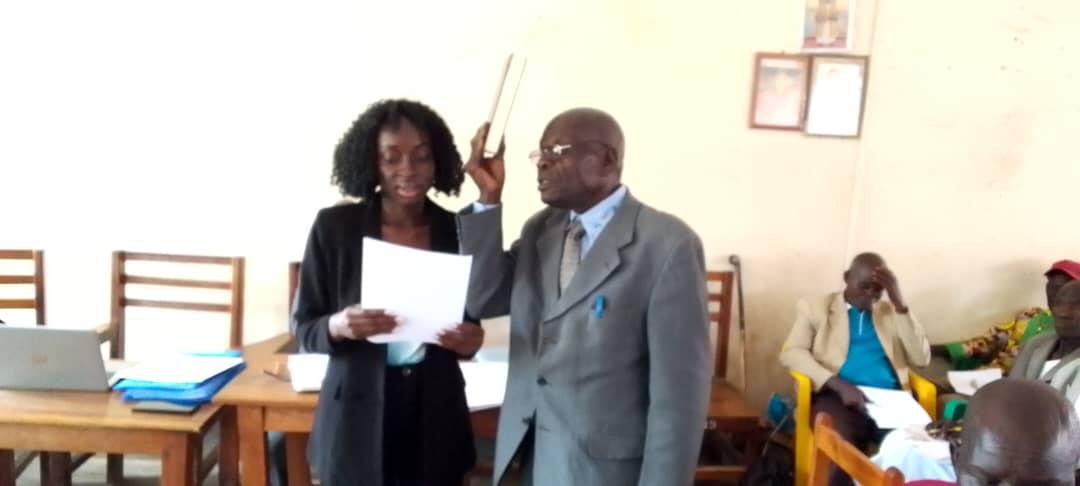
Introduced over 15 years ago, Uganda’s thematic curriculum mandates the use of local languages as the medium of instruction in lower primary schools to enhance learning and cultural relevance.
However, Patrick Andhama, secretary of the Ndrukpa kingdom, accused the Zombo Education Department of deliberately excluding Ndrulo from schools in Ndrukpa-majority areas, such as Aka and Zeu sub-counties.
“Our Ndrulo language is not being taught in our schools. We urge the district to include it to preserve our heritage,” Andhama emphasized during the tribunal.
Similarly, Celestine Mengu, speaker of Kebu Rigangi, condemned the imposition of non-native languages in Kebu-dominated areas, particularly in the 16 primary schools across Kango and Alangi sub-counties.
“No one is teaching Kebu Tu, and this is deliberate and frustrating,” Mengu stated, highlighting the erosion of their cultural identity.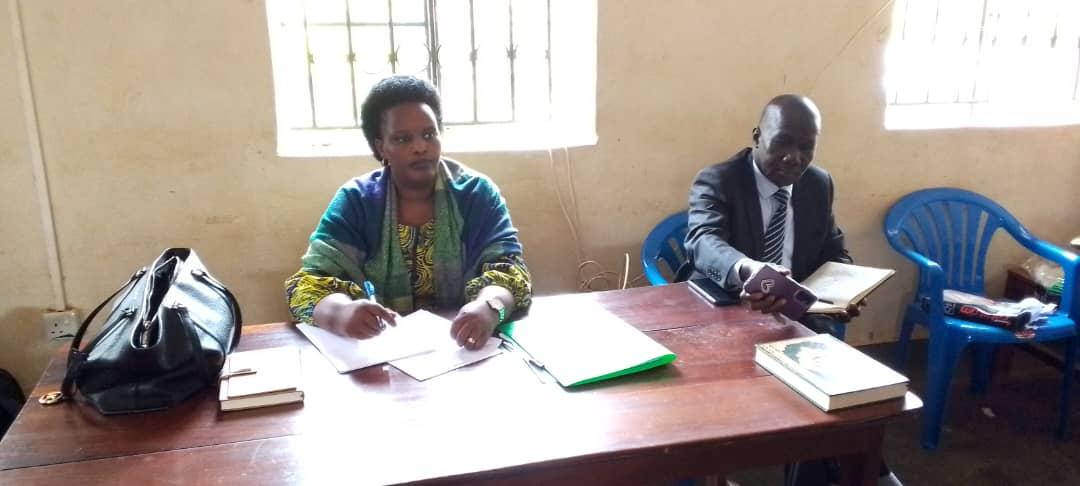
Alexis Okecha, Prime Minister of Kebu Rigangi, echoed these sentiments, noting, “They impose their languages on us, yet we want our children to learn in Kebu Tu. We appeal to the district to address this injustice.”
The thematic curriculum fosters student engagement, deeper understanding, and better retention by integrating subjects around a central theme, making learning culturally relevant.
However, Francis Bolingo, district councilor for Athuma sub-county, reported challenges at Alube Primary School in Kango, urging the recruitment of teachers fluent in Kebu Tu to support Kebu students.
The Kebu, renowned for their blacksmithing expertise, number approximately 54,000 in Zombo, primarily in Alangi and Kango sub-counties. The Ndrukpa, with a population of about 20,000 in Uganda and roots in the Democratic Republic of Congo, are concentrated in Zombo and Nebbi districts.
Both groups, recognized as indigenous minorities, submitted nine grievances to the EOC, addressing systemic barriers in employment, land access, education, health, political participation, religious rights, social inclusion, and government programs.
The EOC, tasked with eliminating discrimination based on ethnicity, socioeconomic status, or other factors, challenged Zombo’s outgoing District Education Officer (DEO), Nickolas Odeba, to explain the exclusion of minority languages.
Odeba acknowledged the oversight, admitting inadequate efforts to promote Kebu Tu and Ndrulo.
He proposed forming a district language board and identifying fluent teachers to address the gap, noting that the curriculum is “demand-driven” and requires local initiative.
Education experts emphasize that using mother tongues in Primary 1 to 3 enhances literacy and numeracy, as children grasp concepts more effectively in familiar languages before transitioning to English in Primary 4.
Prof. Sunday Nicholas Olwor warned district leaders against undermining the EOC’s authority, urging equitable service delivery.
Presiding Member Denise Tusime reaffirmed the EOC’s commitment, stating, “We are here to listen and ensure no community is marginalized. Our mandate is to fight discrimination and promote inclusion.”
Broader Context of Indigenous Rights
Uganda recognizes 22 minority ethnic groups among its 65 indigenous communities, comprising over 1% of the population. Groups like the Batwa, Ik, and Benet face similar challenges, including social, economic, and political exclusion.
The EOC’s efforts in Zombo align with its mandate under the Equal Opportunities Act to promote affirmative action and redress historical imbalances.
The tribunal represents a vital step toward upholding the cultural dignity and human rights of the Kebu and Ndrukpa, with the EOC committed to monitoring Zombo’s progress in implementing inclusive policies.
Mike Rwothomio is news editor at zoomer Africa


 English
 Arabic
