


 About Us
 Conditions générale de vente
 Confidentialité
 Community Guidelines
East Africa’s Struggle With “Evil” Leadership: When Power Becomes a Curse
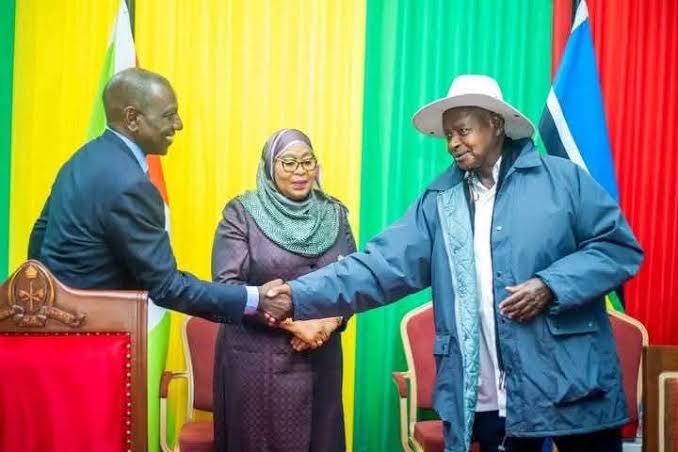
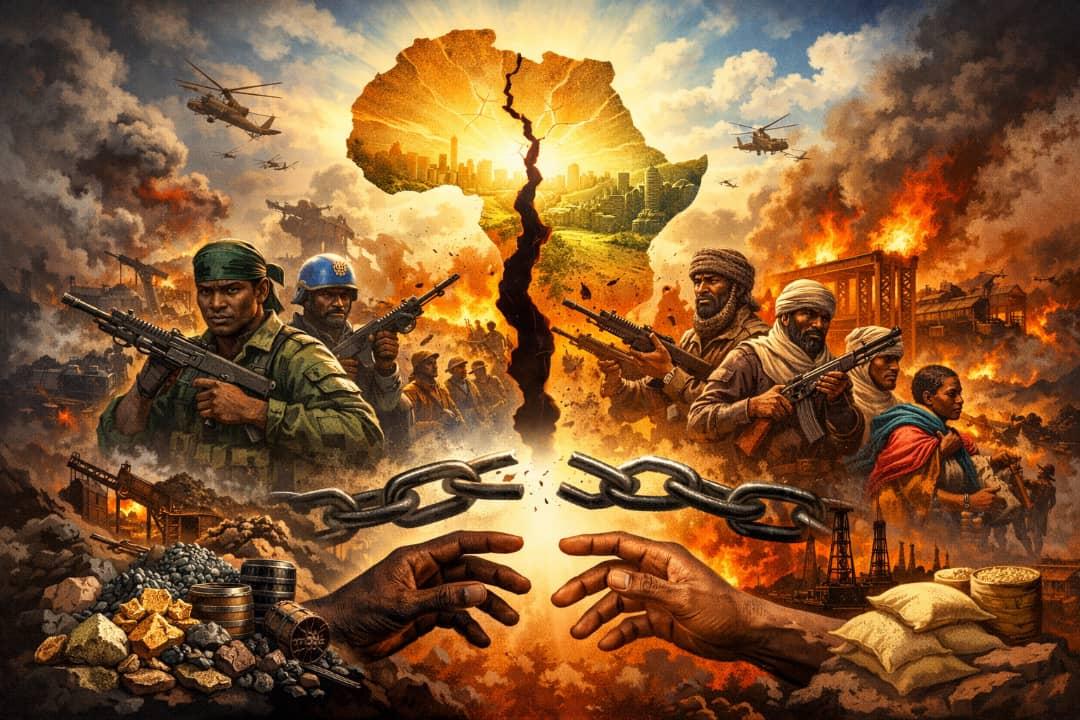
In East Africa, the line between leadership and domination has grown disturbingly thin. From Kampala to Dar es Salaam, citizens are discovering that when power becomes absolute, it almost always turns abusive. The region, once heralded as a symbol of democratic renewal, now wrestles with a resurgence of authoritarianism—presidents who cling to office for decades, silence their critics, and treat their nations as personal fiefdoms.
Are these just “strong leaders”? Or has the region fallen under the rule of evil men—those who use power not to serve, but to suppress?
Uganda: Four Decades of the Museveni Era
Yoweri Museveni’s rule began in 1986 with promises of liberation, reform, and democracy. Nearly forty years later, those ideals have long withered. The same man who once overthrew a dictator now stands accused of becoming one himself.
Under Museveni:
Constitutional limits vanished. Term and age limits were quietly erased, ensuring indefinite rule.
Opposition silenced. Rivals like Bobi Wine and Kizza Besigye have faced arrests, harassment, and intimidation.
Press freedom shrank. Journalists operate under threat, and independent media is often muzzled.
The government insists it’s protecting “stability,” but for many Ugandans, stability feels a lot like fear. After nearly 40 years in power, Museveni’s name is now synonymous not with liberation, but with entrenchment.
Tanzania: Democracy in Disguise
Across the border, Tanzania has long been praised as one of East Africa’s most peaceful nations. But peace without freedom is simply quiet oppression.
President Samia Suluhu Hassan, who took office after John Magufuli’s sudden death, initially promised reform. Yet by 2025, she won re-election with an implausible 97% of the vote, amid widespread reports of violence, disappearances, and arrests of opposition figures.
Critics say the ruling party, Chama Cha Mapinduzi (CCM), has turned Tanzanian politics into a one-party theater—elections are held, but outcomes are predetermined. Protests are violently crushed; dissent is treated as a crime.
In the words of one Tanzanian activist: “We are free to vote, but not to choose.”
Eritrea: The Totalitarian Outlier
If evil leadership has a pure form, Eritrea’s Isaias Afwerki embodies it. In power since 1993, he has never allowed a national election, never implemented the constitution, and never tolerated a free press.
Eritrea operates as one vast prison state, where mandatory military service can last decades, and dissent is punished with indefinite detention. The United Nations has compared Afwerki’s regime to “a system of modern-day slavery.”
Yet, he remains entrenched—proof that isolation can be a dictator’s best defense.
Rwanda: The Iron Hand of “Order”
President Paul Kagame transformed Rwanda after the 1994 genocide, turning it into one of Africa’s most orderly and economically dynamic nations. But that success comes with a chilling price.
Opposition parties barely exist, critics vanish or die under mysterious circumstances, and the press operates under a constant shadow of fear. Many Rwandans admire Kagame’s discipline and results—but others whisper about what happens to those who dare to question him.
Rwanda is not lawless, but it is tightly controlled —a “benevolent dictatorship” that depends entirely on one man’s vision.
Common Threads: The Anatomy of Authoritarian Evil
Despite their differences, these leaders share a playbook:
1. Rewrite the rules – Remove term limits and constitutional constraints.
2. Control the narrative – Dominate media and frame criticism as treason.
3. Weaponize fear – Use security forces to silence dissent.
4. Claim divine or historical purpose – Portray themselves as saviors or “chosen” leaders.
5. Erode institutions – Replace independent bodies with loyalists.
This isn’t leadership—it’s control. And control, over time, rots even the most promising governments.
The Cost of Silence
Every year under authoritarian rule, thousands of East Africans lose more than just political freedom—they lose opportunity, dignity, and hope. Economies stagnate, corruption deepens, and young people migrate in search of the freedom their parents were promised.
The danger of these so-called “evil leaders” isn’t just their cruelty—it’s the apathy they breed. When citizens stop believing change is possible, tyranny wins without firing a single shot.
A Region at a Crossroads
East Africa stands at a pivotal moment. Will it continue down a path of repression, or will its citizens reclaim the promise of democracy?
Real reform won’t come from the top—it will come from the collective courage of ordinary people demanding accountability, one voice at a time.
As one Kenyan journalist recently put it:
“Our leaders are not gods. They are humans—and some have chosen to be monsters. But monsters fall when people stop being afraid.”
Evil in politics isn’t defined by ideology—it’s defined by intent. When leaders use power to protect themselves instead of their people, when fear replaces freedom, when truth becomes treason—that’s when leadership turns evil.
And East Africa, with all its resilience and promise, deserves far better.

 English
 Arabic
