


 About Us
 Terms
Terms
 Privacy
 Community Guidelines
What Kept Museveni in Power Since 1986? The Role of the West in His Enduring Rule
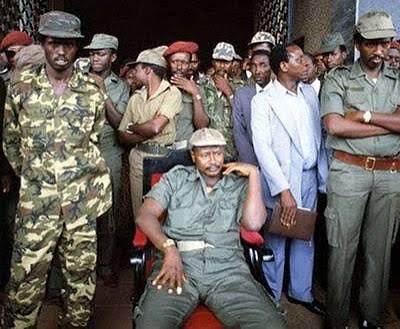
Since taking power in Uganda in 1986, President Yoweri Museveni has managed to stay at the helm of the country for nearly four decades. His longevity in power is remarkable, especially given the often turbulent political landscape of Africa. While there are many factors at play in explaining Museveni’s continued dominance, one of the most significant elements of his prolonged rule has been the support of the West. In particular, the backing from Western powers—most notably the United States, the United Kingdom, and the European Union—has been crucial in maintaining his grip on power. Without this support, it is conceivable that Museveni's rule could have come to an end much sooner.
The Rise of Museveni: From Guerrilla Leader to President
Museveni’s rise to power in Uganda was rooted in the political chaos and instability of the 1970s and 1980s. In 1971, Idi Amin seized power in a military coup, leading Uganda into a period of brutal dictatorship. Amin's rule was marked by widespread human rights abuses, economic decline, and international isolation. 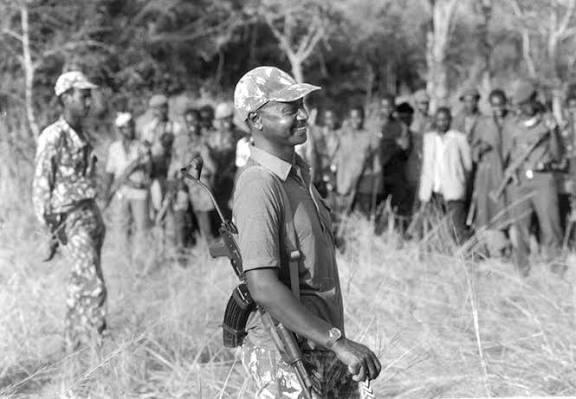 After Amin’s overthrow in 1979, Uganda experienced a period of instability with various factions vying for control, culminating in a civil war. In the early 1980s, Museveni, then a guerrilla leader, capitalized on the discontent and infighting within the government, leading his rebel group, the National Resistance Army (NRA), to victory in 1986.
Museveni's initial ascent was framed as a liberation from dictatorship and a new dawn for Uganda. His promises of democracy, unity, and economic recovery resonated with many Ugandans who were eager for stability after years of violence. However, his presidency quickly evolved from one of reform to one of consolidation. As Museveni tightened his grip on power, it became clear that his reign would be anything but democratic.
Western Support: Political and Military Backing
What has been particularly striking about Museveni’s rule is the consistent and significant support he has received from Western powers, especially the United States. For much of his tenure, Uganda's strategic importance to the West—particularly in the context of the global fight against terrorism and instability in the region—has provided Museveni with an enduring lifeline.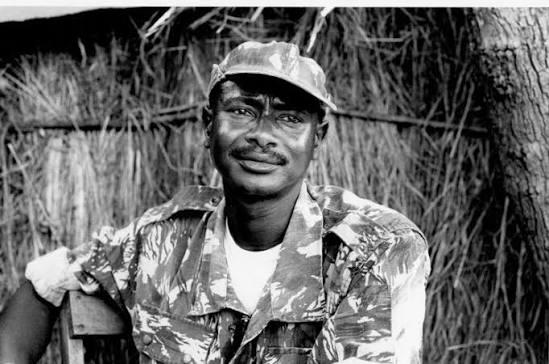
1. Military Assistance and Counterterrorism Collaboration
Museveni has been a key ally of the West in the fight against terrorism, particularly in the post-9/11 era. Uganda's support for U.S.-led counterterrorism efforts in Africa, especially in Somalia, has been central to Museveni's relationship with the West. Uganda's military involvement in Somalia, through the African Union Mission in Somalia (AMISOM), has been crucial in the fight against the Islamist militant group al-Shabaab. In return, Uganda has received substantial military aid, training, and equipment from Western governments.
In addition, Uganda’s role in regional security has been a key factor in its continued partnership with Western powers. Museveni’s forces have been involved in peacekeeping and military interventions in neighboring countries like South Sudan and the Democratic Republic of Congo (DRC), often with the tacit support of Western governments. While some of these interventions have been controversial, Museveni has positioned himself as a stabilizing force in an otherwise volatile region.
2. Economic Aid and Investment
Beyond military support, Uganda has also benefitted from substantial economic assistance from Western nations. As a recipient of foreign aid, Uganda has relied heavily on donations from the World Bank, the International Monetary Fund (IMF), and Western governments. This financial assistance has been used to fund infrastructure projects, social services, and economic development programs, which have allowed Museveni to maintain a semblance of economic stability despite the challenges faced by the country.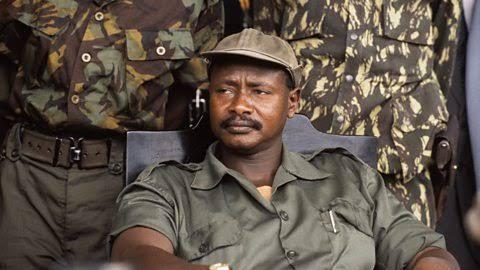
Western investment in Uganda’s oil and natural resources has also played a critical role in the country’s economic growth. Uganda’s oil reserves, which were discovered in the early 2000s, have attracted significant foreign interest. Western corporations have been heavily involved in Uganda's oil industry, and their continued engagement has provided Museveni with both political leverage and much-needed financial resources.
3. Diplomatic Shielding
Western countries, particularly the United States and the United Kingdom, have been key players in shielding Museveni from international scrutiny, particularly when it comes to human rights abuses and democratic backsliding. Despite widespread reports of electoral fraud, suppression of opposition parties, crackdowns on civil society, and restrictions on press freedom, Museveni has often been able to count on diplomatic support or at least neutrality from Western governments.
One example of this is the 2006 and 2011 presidential elections, which were widely regarded as fraudulent and marred by violence and intimidation. While there were condemnations from human rights organizations and some segments of the international community, Western governments—particularly the United States—stopped short of imposing significant sanctions or calling for Museveni to step down. Instead, they often emphasized the importance of stability and continued cooperation.
4. A Strategic Partnership: Museveni as a ‘Responsible’ Leader
Museveni has long positioned himself as a leader committed to regional stability, economic development, and anti-terrorism efforts. To the West, he has been a pragmatic ally who, despite his authoritarian tendencies, is seen as preferable to the instability or chaos that might follow his removal. 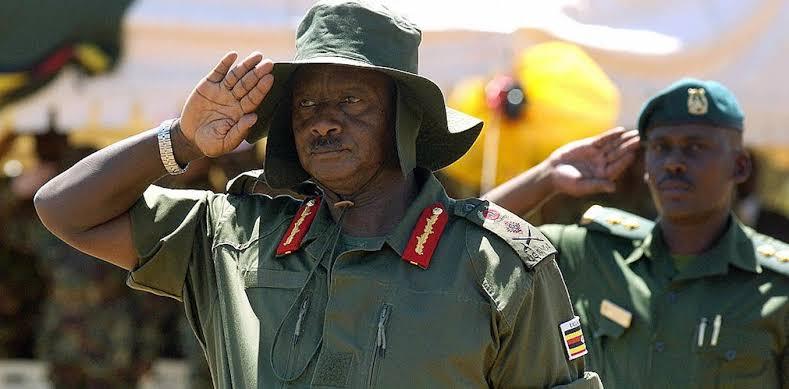 The West has often prioritized security and geopolitical interests over human rights and democracy in Africa, and Museveni’s willingness to work with Western countries on these issues has been a key factor in his ability to hold on to power.
Moreover, Museveni has used his diplomatic savvy to play Western powers off each other. He has cultivated relationships with the United States, the European Union, and other Western countries, while also maintaining ties with China and Russia, particularly as these countries became more active in Africa’s economic and political spheres. By doing so, he has ensured that Uganda remains an important player in global geopolitics and a recipient of foreign assistance.
The Consequences of Western Support
While Museveni’s relationship with the West has undeniably helped him remain in power, it has not been without consequences for Uganda and its people. The continued backing of a leader with a history of human rights abuses, electoral manipulation, and authoritarian rule has contributed to a broader pattern of political repression and democratic stagnation in Uganda.
The West's support has allowed Museveni to resist domestic calls for democratic reforms and to stifle opposition movements through both legal and extrajudicial means. The military and security forces, backed by Western aid, have been used to intimidate and silence critics, while opposition leaders face arbitrary arrest, torture, and imprisonment.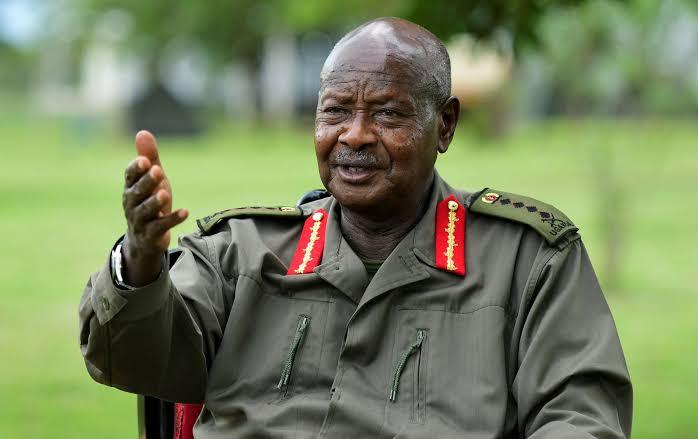
Furthermore, the West’s focus on security and stability over democratic principles has undermined efforts to build a more inclusive and accountable political system in Uganda. While foreign aid and investment have certainly brought some development to the country, the long-term benefits of a genuine democracy and rule of law have been delayed.
A Paradox of Power and Dependency
In the final analysis, the question of what has kept Museveni in power since 1986 is inseparable from the question of Western involvement in Uganda’s political and economic landscape. Without the military, diplomatic, and financial support of the West, it is unlikely that Museveni would have been able to maintain power for as long as he has. While his internal political machinations—ranging from the suppression of dissent to co-opting key elites—have played a role, it is the West's strategic interests in Africa, particularly in relation to security and economic growth, that have ensured Museveni’s continued rule.
The paradox of Museveni’s presidency lies in the fact that while he has portrayed himself as an African leader who has navigated the complexities of the continent’s post-colonial challenges, he has done so with the significant backing of Western powers. This support, however, raises important questions about the West’s role in shaping Africa’s political futures and its responsibility in fostering genuine democratic governance. Ultimately, Museveni’s long tenure in power may be more a reflection of external interests than internal legitimacy, and without the West, his presidency could very well have come to an earlier end.
Disclaimer:
The views and opinions expressed in this article are those of the author and do not necessarily reflect the official policy or position of any government or organization mentioned. The content is based on publicly available information and analysis, and aims to provide a broad perspective on the complex political dynamics surrounding Yoweri Museveni's long tenure in power. While efforts have been made to present an accurate and balanced account, readers are encouraged to seek multiple sources for a comprehensive understanding of the topic.


 Arabic
 French
