
 About Us
 الشروط
 الخصوصية
 Community Guidelines
Alur Kingdom, Luguara Kari Join EC Post-Election Review to Shape Inclusive Reforms
By Mike Rwothomio
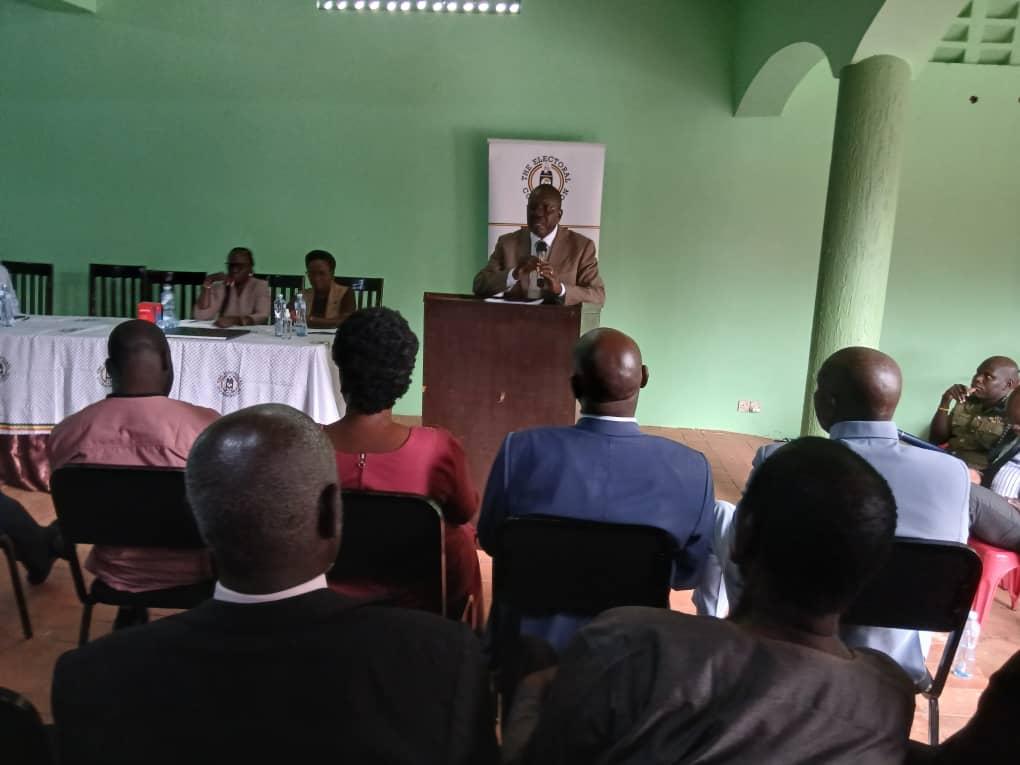
The Alur Kingdom and other key stakeholders from West Nile have actively participated in the Electoral Commission’s (EC) nationwide post-election evaluation workshops, marking a significant step towards more transparent and participatory electoral reforms following the 2025/2026 General Elections.
The first regional workshop in the series was held on Monday, 13th July 2026, at Heritage Courts Hotel in Arua City.
The Alur Kingdom was represented by its Prime Minister (Jadipu), Prince Lawrence Opar Angala, while Luguara Kari Cultural institution was represented by Jaffer Alekwa, Secretary to cabinet / clerk to Luguara Kari Cultural Assembly, underscoring the growing role of cultural institutions in strengthening Uganda’s democratic processes.
In his opening speech, read by Commissioner Okello Anthony, EC Chairman Justice Byabakama Mugenyi Simon emphasized the workshops’ core objectives: to analyze and document best practices from the 2025/2026 General Elections, identify challenges encountered in preparation, management, and conduct, and generate practical recommendations for more effective, efficient, inclusive, and transparent electoral management in the future.
The commission, highlighted the benefits of Stakeholder-Driven Reforms Involving cultural institutions like Alur, Luguara Kari , alongside religious institutions, local governments, civil society, political parties, security services, media, and development partners.
Some of the These include:Enhanced legitimacy and public trust as Cultural leaders command significant influence in their communities, helping bridge the gap between the EC and voters.Better addressing of local challenges,
Greater inclusivity.
An independent consultancy firm, Adroit Consult International, is leading the nationwide evaluation through stakeholder consultations, interviews, discussions, and an online survey open to the public.
This comprehensive approach ensures diverse voices shape the final report on the 2025/2026 General Elections and offer Insights for 2026 General Elections Review and Upcoming LC1 Elections.
The workshops, running from 13th to 16th July 2026 across regions, come at a critical time.
According to the Electoral commission, While the 2025/2026 General Elections have concluded, the evaluation provides an opportunity to consolidate gains and correct shortcomings observed during the polls.
Stakeholders highlighted successes in areas such as voter registration or result transmission, while pinpointing persistent challenges like delays or security concerns.
The insights generated will be particularly valuable for the upcoming Local Council I (LC1) elections.
LC1 polls, being grassroots exercises, often face unique hurdles including limited resources, community-level disputes, and lower visibility.
Reforms emerging from this process could lead to simplified procedures, better training for polling officials, and stronger civic education campaigns, ultimately making future elections more cost-effective and peaceful.
The EC has also launched an online questionnaire accessible to all stakeholders and citizens to widen participation and gather more experiences and recommendations.
According to Prince Lawrence Opar Angala , expectations are high for reforms that will deliver even more credible elections moving forward.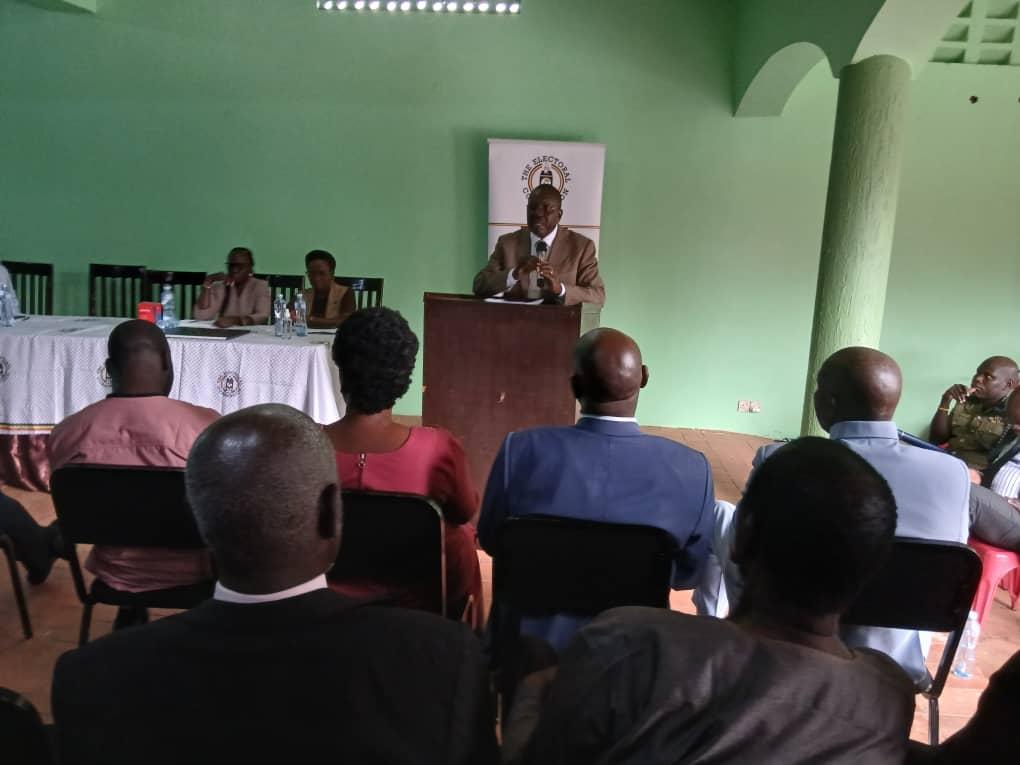
Commissioner Okello Anthony of the EC who represented the Chairman, Justice Byabakama Mugenyi Simon, addressing the participants at the workshop.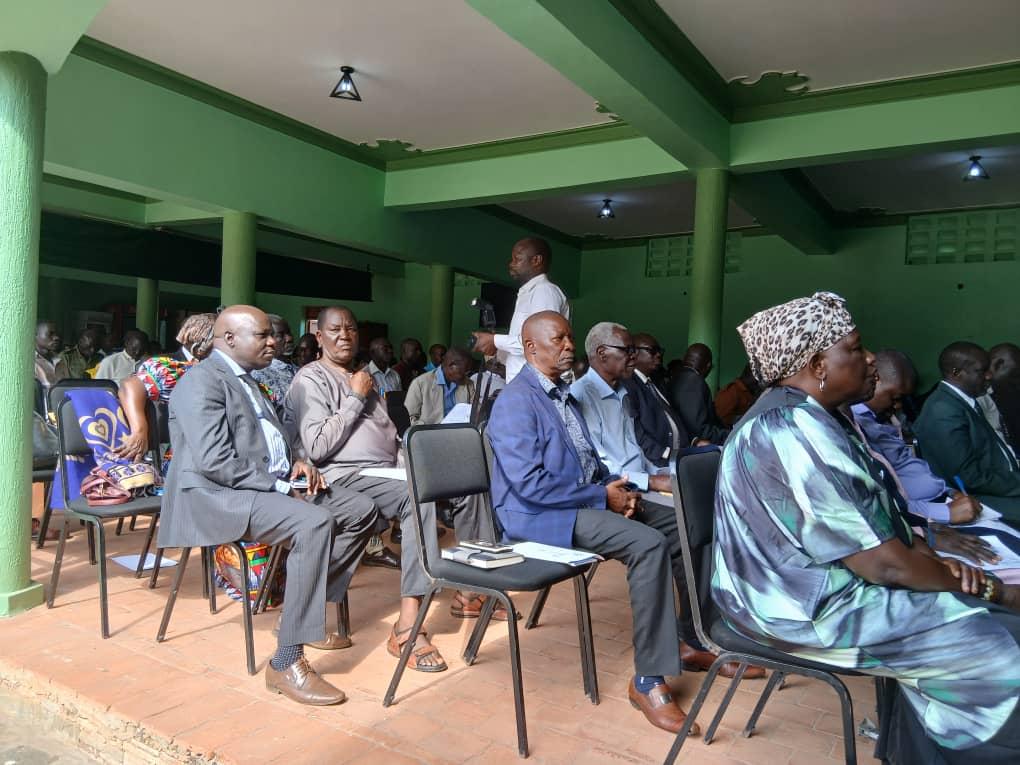
Prime Minister Alur Kingdom ( middle) and other participants during the engagement.
Mike Rwothomio is news editor at Zoomer Africa your number one grassroot information hub for African news trends and updates.



 English
 French
