


 About Us
 الشروط
 الخصوصية
 Community Guidelines
MAAIF Rallies Zombo Stakeholders To Promote National Livestock FMD Vaccination Policy
By Alex Pithua
The Ministry of Agriculture Animal Fisheries and Industry has rallied the production department of Zombo district, political leaders and lead farmers to promote the government compulsory livestock vaccination scheme policy.
This development follows MAAIF efforts to promote nationwide rollout awareness creation programme across the country on compulsory mass vaccination of cattle, goats, sheep and pigs against the foot and mouth disease [FMD].
Foot and mouth disease [FMD] is a sever, highly contagious viral disease of livestock that has a significant economic impact. The disease affects cattle, swine, sheep goats among other cloven-hoofed ruminants.
It is a transboundary animal disease [TAD] that deeply affects the production of livestock and disrupts regional and international trade in animals and animal products.
MAAIF is implementing the government-approved policy shift in control and management of [FMD] through a compulsory, biannual mass vaccination programme under the cost recovery scheme.
The campaign is scheduled for July-August 2026.
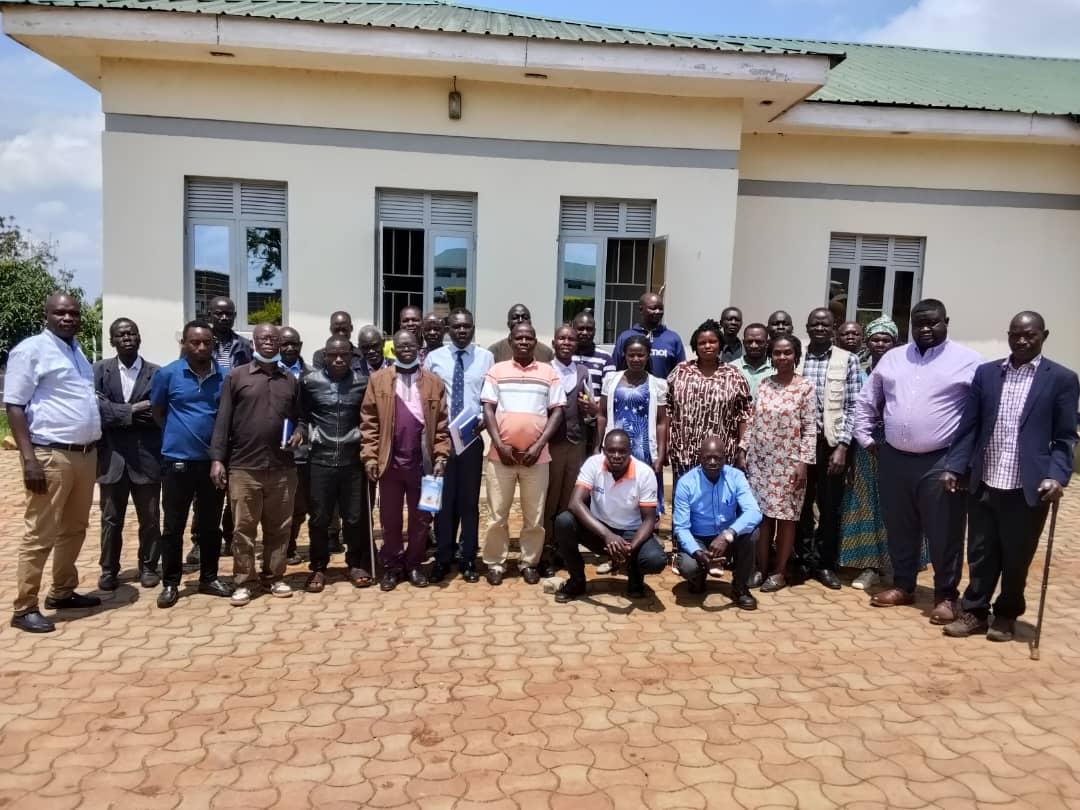
Speaking during the engagement with Zombo district stakeholders on Wednesday August 12th, 2026, in health boardroom, MAAIF senior veterinary officer Dr Charles Oryema observed that the new policy shift requires cost sharing scheme by farmer [co-fund] of UGX 8000 for cattle and UGX 4000 for goat, sheep and pig for vaccine purchase.
Dr Oryema revealed that the government through MAAIF will cover the cost of vaccine importation, delivery, cold chain maintenance and vaccination cost and quality assurance.
He said that the district extension officers under this programme are tasked to carry out farmer education and mobilization, explain policies, and teach farmers why mandatory semi-annual schedules protect regional herds.
Clarify cost-sharing, guide producers on official user fees (e.g. UGX 8,000 for cattle/pigs and UGX 4,000 for goats/sheep) and payment steps.
Promote compliance: Inform markets and owners that un-vaccinated stock loses trade eligibility and movement permits.
Registration and Data Management; onboard producers, register livestock keepers and map local herds through district veterinary offices.
Track coverage, maintain accurate counts of vaccinated animals to help achieve required herd immunity thresholds, logistics and disease surveillance, coordinate campaigns, support local administration and village leadership during delivery phases.
Monitor health by reporting adverse reactions, track suspected disease outbreaks, and feed field data back to the Ministry of Agriculture, Animal Industry and Fisheries.
Dr Agopiyo Emmanuel, the Zombo district Veterinary Officer [DVO] implored MAAIF to establish cold chains for storing the veterinary medicines, gazetting place for animals’ quarantine.
Zombo district Agricultural Officer Patrick, who represented the district Production Officer [DPO] Dr Walter Kumakech highlighted that MAAIF should focus attention on Zombo district livestock production emphasizing that the area is prone to pests and diseases outbreak from the neighbouring Democratic Republic of Congo.
“Pests and diseases are supposed to be controlled from DR Congo, for example banana bunchy disease was reported in Ituri Province of DR Congo 20 year ago and has now affected banana in Zombo district”. Mr Aneniwu observed
Patrick Komakech, the secretary for works technical services and production who represented the LCV chairperson James Uruna Uyullu during the engagement pledged the district support toward implementation of this new compulsory livestock mass vaccination campaign.
Assistant Resident District Commissioner Zombo, Isaac Urochi the district workers to desist from behaviours which will humper the programme.
Farmers speak out on new Compulsory mass vaccination policy and cost sharing scheme for vaccine
Ankwa Moses Okumu, a cattle farmer in Nyarambe Village, Nyapea sub-county appreciated the cost sharing scheme appealing to MAAIF to embark on mass improvement of local East Africa breed of livestock by supporting farmers with high-quality breed.
A retired veterinary officer, Dr Ocweda Morris encouraged farmers to embrace beef and dairy value chain, for Zombo farmers lets take-up keeping cattle”.
“For West Nile farmers should embrace improving breeds to high income.” Dr Ocweda implored
He acknowledged that the government has established two valley dams in Zombo district for farmers in Jangokoro and Paidha sub-counties emphasizing, government should maintain routine livestock treatment programmes against anopheles’ mosquitoes and deworming respectively.
He appealed to MAAIF to consider establishing a bull scheme in every sub-county in Northern Uganda.
Another farmer, Ben Odagi urged MAAIF to always validate qualities of dairy cattle which are sometimes distributed to the farmers, “five years ago the government supplied dairy cattle to farmers in Zombo district, but the qualities were poor”.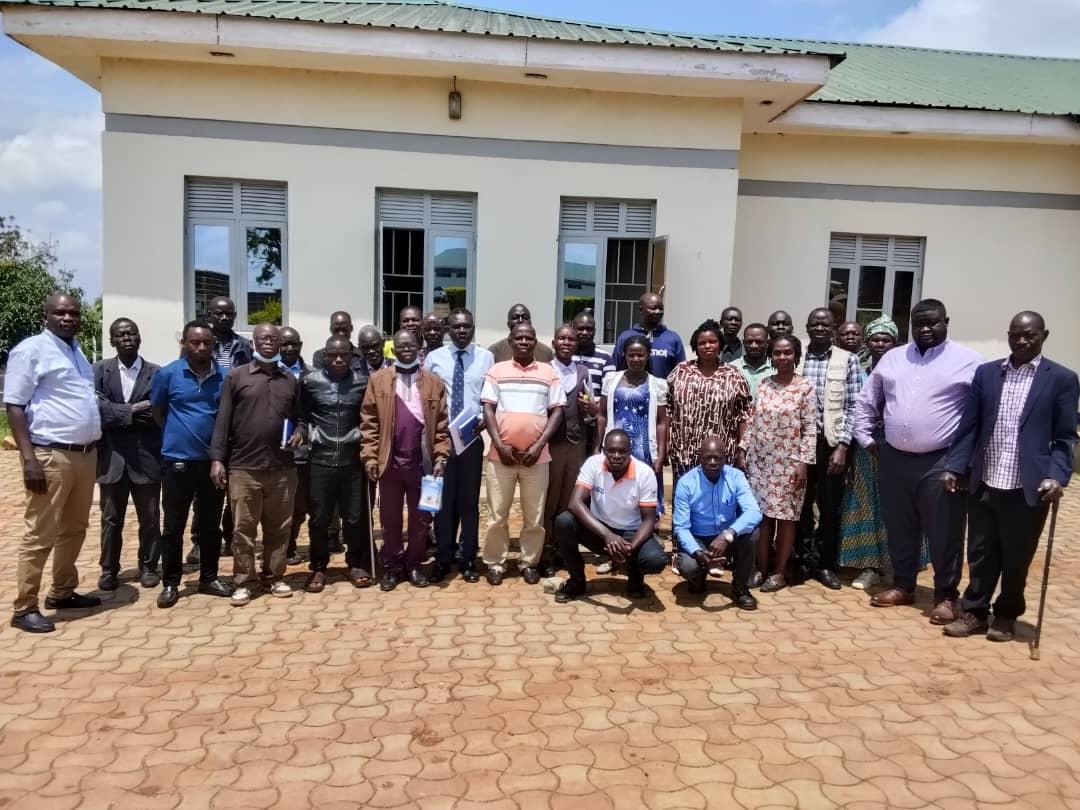
Zombo district stakeholders trained on compulsory FDM vaccination policy. Photo by Alex Pithua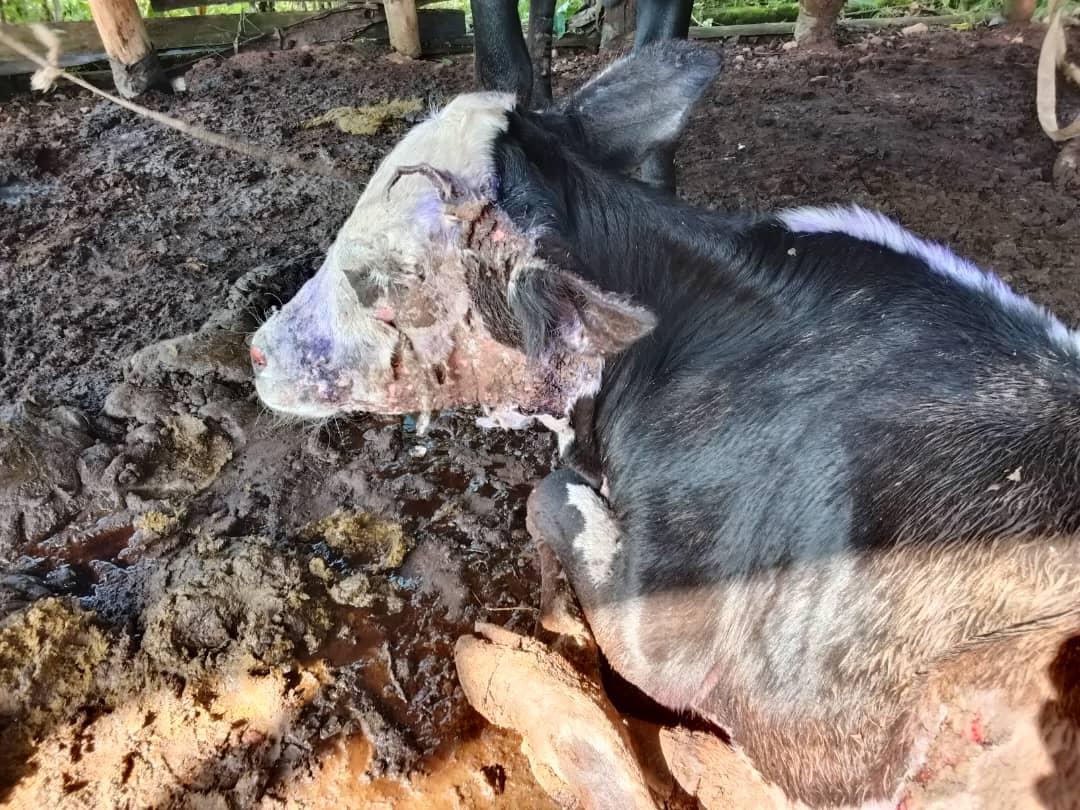
Suspected skin photosensitization and subsequent secondary bacterial infection through the skin wound.
Alex Pithua is the news editor at Zoomer Africa your number one grassroot information hub for African news trends and updates.



 English
 French
