


 About Us
 Terms
Terms
 Privacy
 Community Guidelines
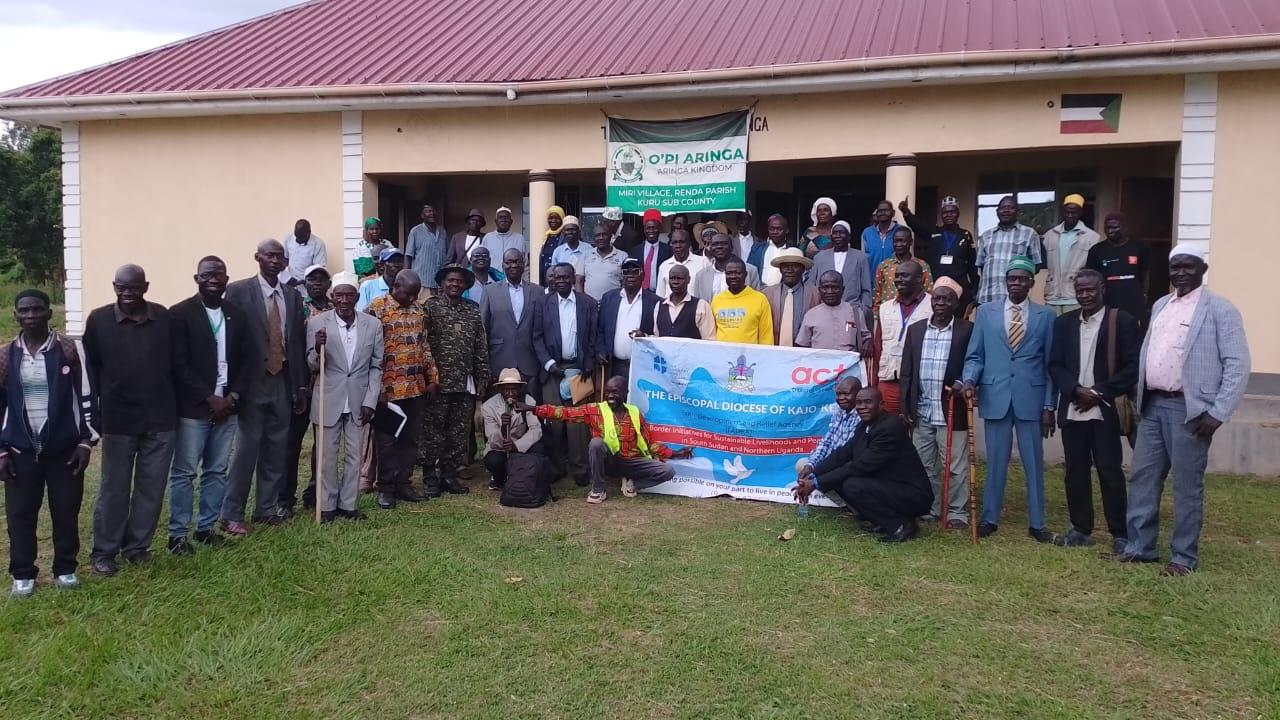
Aringa Kingdom Urges Parents to Support Government Schools through Modest PTA Contributions
By Zoomer Africa
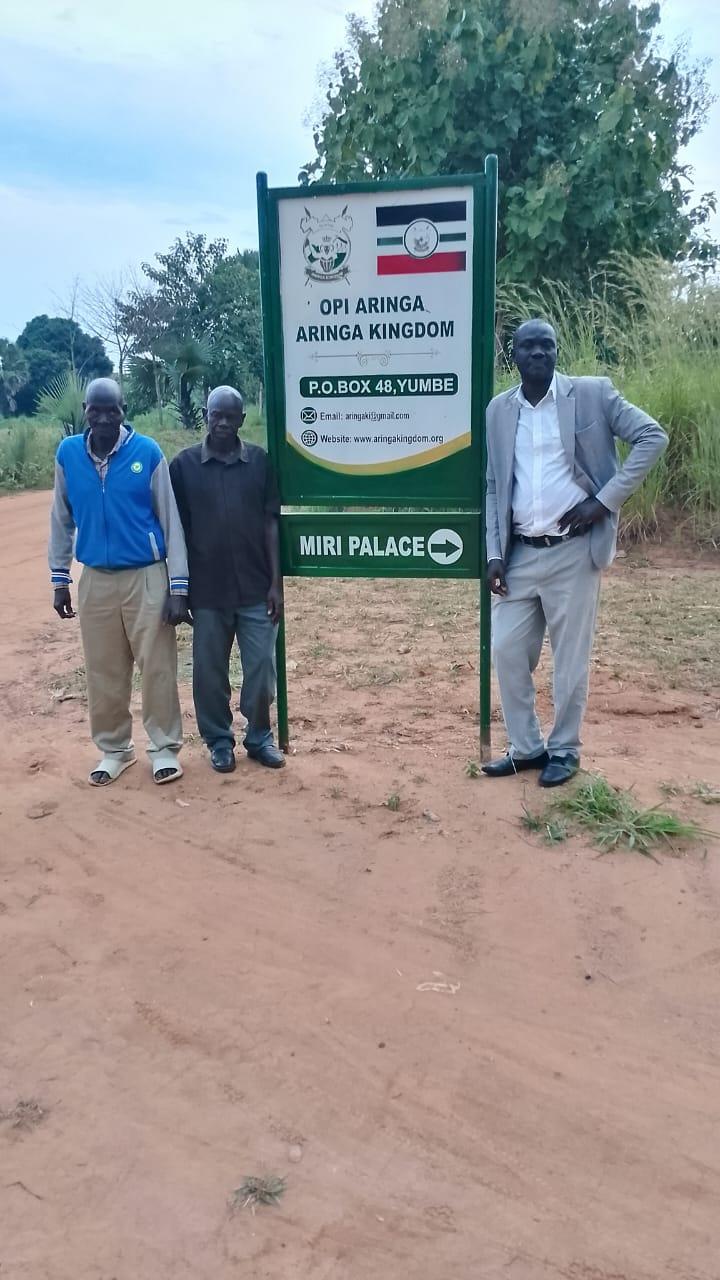
The Aringa Kingdom has called on parents in West Nile to make modest contributions through Parent-Teacher Association (PTA) initiatives to help ensure the effective running of government schools.
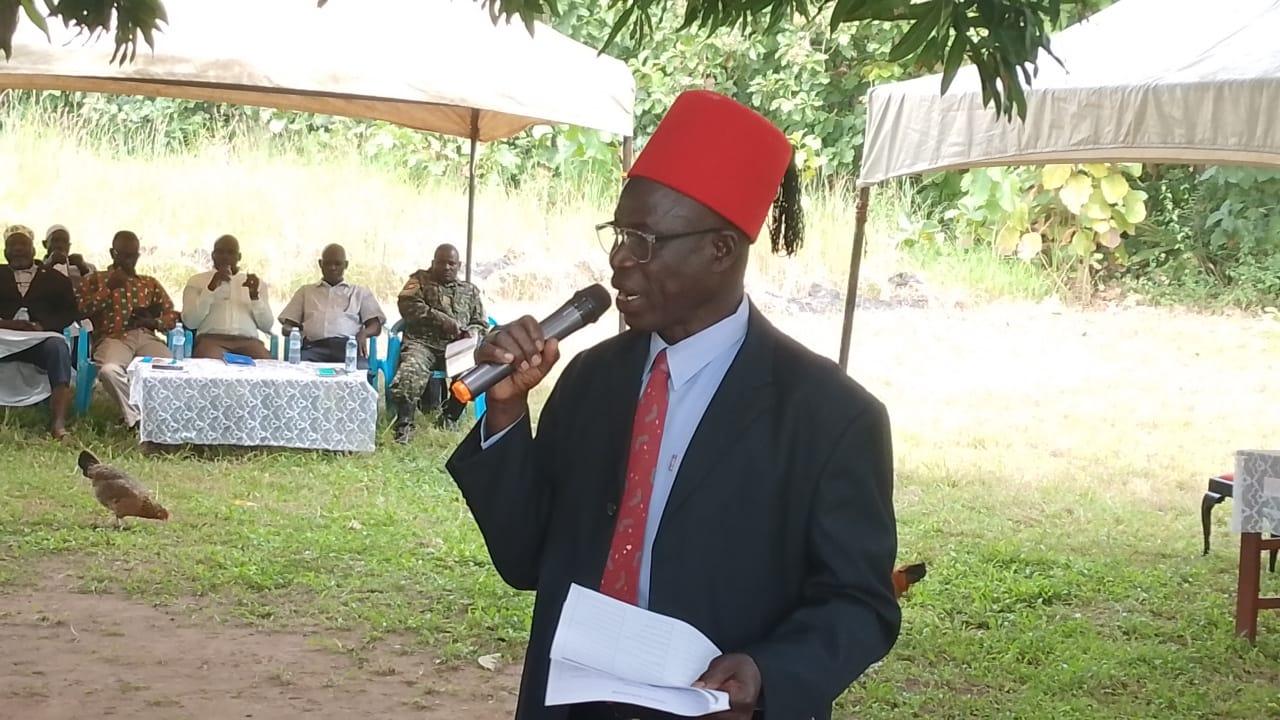
Fadhil Lemeriga, the Prime Minister of Aringa Kingdom, said government support to schools remains “insufficient and is often delayed” .He stressed that parents’ contributions are therefore important in sustaining school operations.
Fadhil noted that quality education requires investment and urged parents not to abandon PTA contributions, describing them as an investment in their children’s future.
He explained that PTA funds can help schools purchase learning materials, facilitate extracurricular activities, feed teachers, pay cooks and security guards, and support additional teaching activities.He warned that without parental support, government schools risk struggling to meet their operational needs.
Fadhil also cautioned parents against misleading messages that discourage them from supporting schools financially, emphasising that such contributions complement, rather than replace, government funding.
According to the leadership, Parental contributions via PTAs help bridge critical funding gaps in government schools. They enable the hiring of additional teachers to address staffing shortages, purchase of scholastic materials and textbooks, improvement of infrastructure and learning environments, provision of meals or feeding programmes, payment of support staff such as cooks and security personnel, and facilitation of extracurricular activities.
This come at a time when the government of Uganda is against exorbitant charges levied on children in public schools.
Uganda introduced Universal Primary Education (UPE) in 1997 under President Yoweri Museveni’s government. The policy followed recommendations from the 1989 Education Policy Review Commission and the 1992 Government White Paper on Education.
It was driven by the need to expand access to education, especially for children from poor and rural households, reduce high illiteracy rates, eliminate disparities, and support national development and poverty reduction.
The Aringa Kingdom’s appeal highlights ongoing tensions between the ideal of fully free education and the practical realities faced by many under-resourced government schools in regions such as West Nile
According to the government, Prior to UPE, many families could not afford school fees and PTA charges, leading to low enrolment, high dropout rates, and limited access, particularly in rural areas.
In December 1996, during the presidential election campaign, Museveni announced free primary education for up to four children per family, later extended to all children. Tuition and PTA fees were abolished, and enrolment nearly doubled in the first year from about 2.5–3.1 million pupils in 1996 to over 5 million in 1997.
Universal Secondary Education (USE) followed in 2007 to expand access at the secondary level.
President Yoweri Museveni has consistently maintained that education under UPE and USE in government schools should be free. He has repeatedly directed schools not to charge extra fees, arguing that such charges exclude children from poor families and undermine the policy’s goal of universal access.
Museveni has described the imposition of fees as a barrier that forces dropouts and has urged parents and leaders to resist illegal or hidden charges. He has stated that parents who can afford it may send children to private schools, while government schools should remain free for the poor.
The president criticized headteachers and PTAs for continuing to levy fees for items such as extra teachers, lunch, or operations, despite government capitation grants. He has linked the issue to incomplete implementation of free education and has called for better enforcement, increased teacher recruitment, and assessments of whether parents can afford contributions.



 Arabic
 French
