


 About Us
 Terms
 Privacy
 Community Guidelines
Zombo: Menstrual Hygiene Supplies Help Retain Girls at Padea Primary School
By Brenda Acen
Padea Primary School in Zombo District has introduced menstrual hygiene supplies to address challenges that adolescent girls face during menstruation, in a move aimed at improving school attendance and retention.
The initiative is helping learners manage their menstrual cycles with greater privacy, dignity and confidence, reducing barriers that may otherwise disrupt their participation in classroom activities.
By making menstrual hygiene supplies available, the school is creating a more supportive learning environment for girls, helping them attend lessons consistently and remain in school throughout their menstrual periods.
The school introduced the idea in 2024.
Headteacher Jimmy Bithum said many learners walk long distances to school, making it difficult for adolescent girls to manage menstruation when they lack sanitary products, private changing areas and adequate washing facilities.
He noted that “menstruation-related challenges can contribute to absenteeism, particularly among girls from households that struggle to afford sanitary pads and other menstrual hygiene necessities”
The Senior Woman Teacher said the intervention had boosted girls’ confidence and enabled them to continue attending classes during their menstrual periods alongside their classmates.
Access to menstrual hygiene products, clean water, private changing spaces and functional toilets is essential to menstrual health and hygiene management. These facilities help girls maintain personal hygiene, prevent discomfort and embarrassment, and participate in classroom activities without fear of stigma or exposure.
However, the school continues to face sanitation challenges, with parents warning that inadequate and deteriorating toilet infrastructure undermines efforts to keep girls in school.
According to UNICEF, adolescent girls in Uganda may miss up to 11 per cent of school days each month because of menstruation-related challenges. The figure highlights the potential educational consequences of inadequate menstrual health support, although it should not be interpreted as a current national school dropout rate.
National education statistics and school dropout concerns
Uganda continues to face challenges in retaining learners, particularly girls, through the transition from primary to secondary education. Poverty, teenage pregnancy, early marriage, household responsibilities, inadequate sanitation and limited access to menstrual hygiene products can all affect girls’ participation and progression in school.
At Padea Primary School, the problem extends beyond menstrual hygiene supplies to the availability, condition and adequacy of toilet facilities for the entire school population.
Director of Studies Anthony Mungujakisa said the school, established in 1973, is the only government-aided primary school in Padea Town Council and attracts a large number of learners from surrounding communities, including neighbouring parts of the Democratic Republic of Congo.
The ever high enrollment exerts more pressure on the existing latrine facilities constructed in 2017 and have deteriorated significantly, requiring urgent rehabilitation or replacement.
The congestion also results in long queues, which can interrupt lessons and discourage learners from using the facilities when they need them. For girls who are menstruating, such conditions can make changing sanitary pads, washing and disposing of used materials safely particularly difficult.
Maintaining clean, accessible and gender-sensitive Water, Sanitation and Hygiene (WASH) facilities is a key component of infection prevention and control in schools. Adequate toilets, handwashing stations, water supplies and safe waste-disposal systems help reduce exposure to faecal contamination and support learners’ health, dignity and attendance.
Bithum said the school had enrolled 1,832 learners in Term III, including 86 learners with special educational needs, among them children with visual and hearing impairments and physical disabilities.
School authorities say improve sanitation infrastructure, expand access to menstrual hygiene supplies and strengthen support for learners with disabilities.
They say constructing adequate, separate and accessible toilet facilities, providing water and handwashing points, and establishing private menstrual hygiene spaces would improve health and dignity while helping girls attend school consistently.
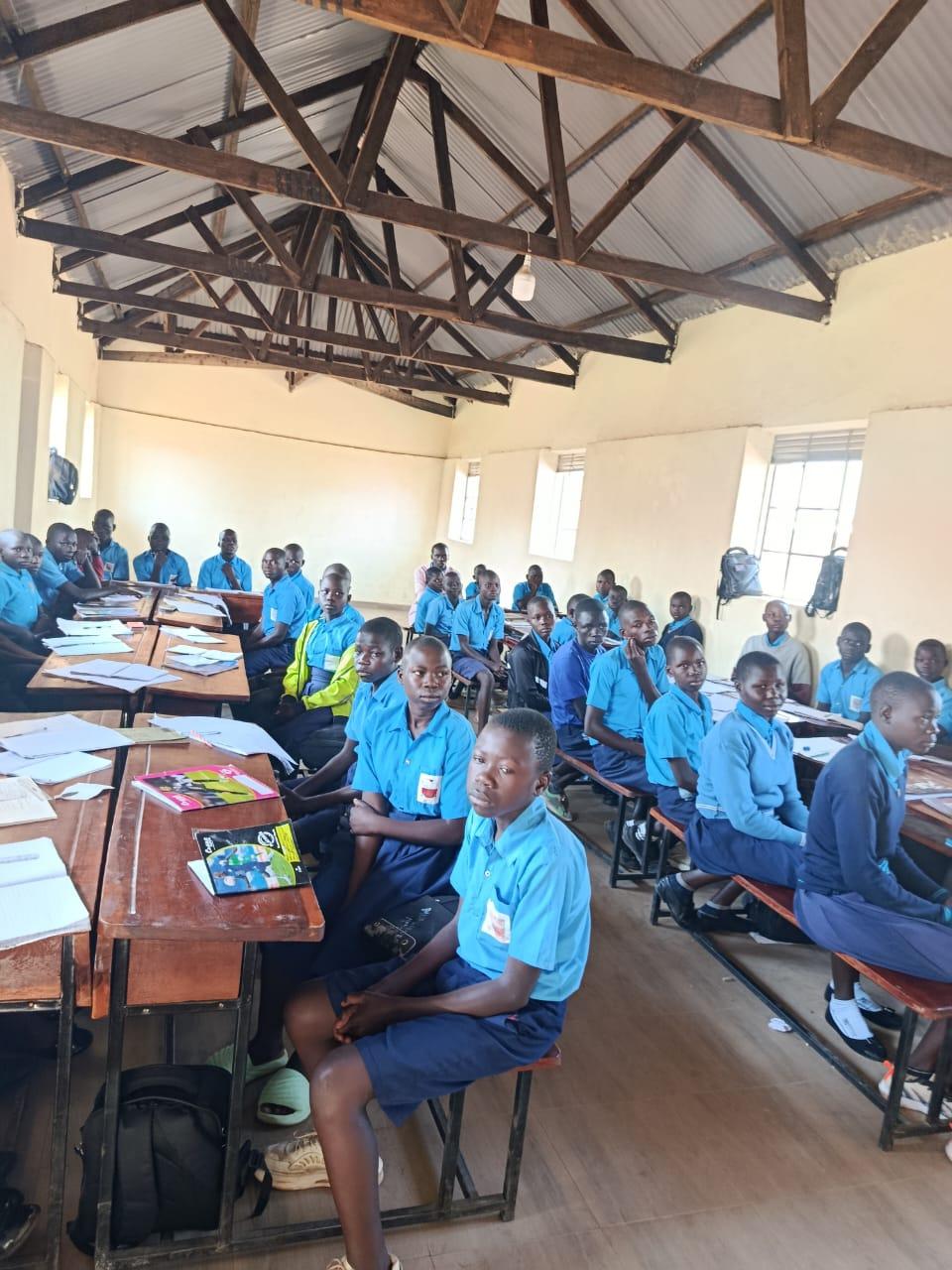
Padea Primary School serves learners from Padea Town Council, Jangokoro and Abanga sub-counties, as well as neighbouring communities in the Democratic Republic of Congo.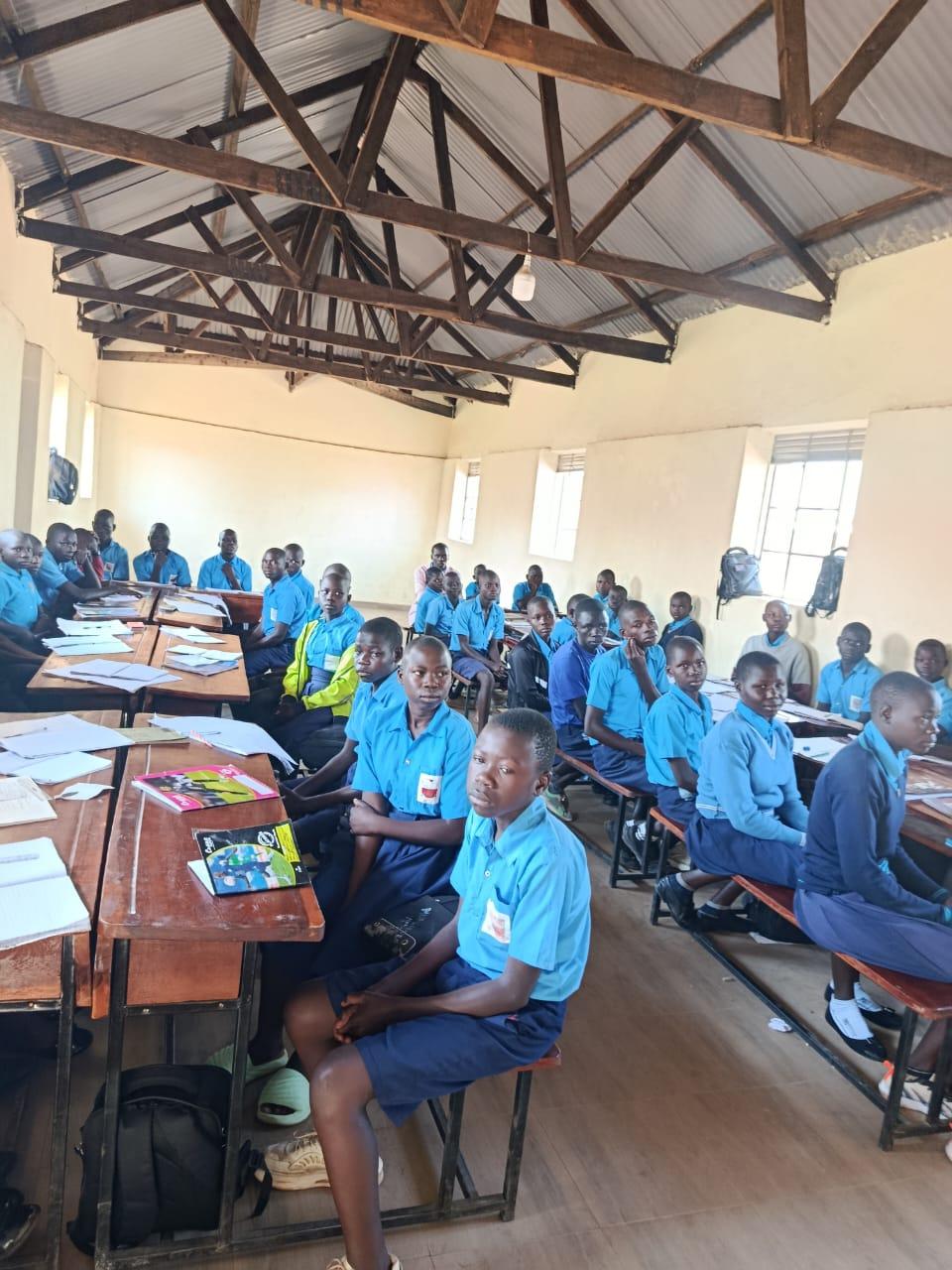 Learners of Padea Primary School


 Arabic
 French
