


 About Us
 Conditions générale de vente
 Confidentialité
 Community Guidelines
Little Phaco Chopper: Precision Tool for Modern Cataract Surgery
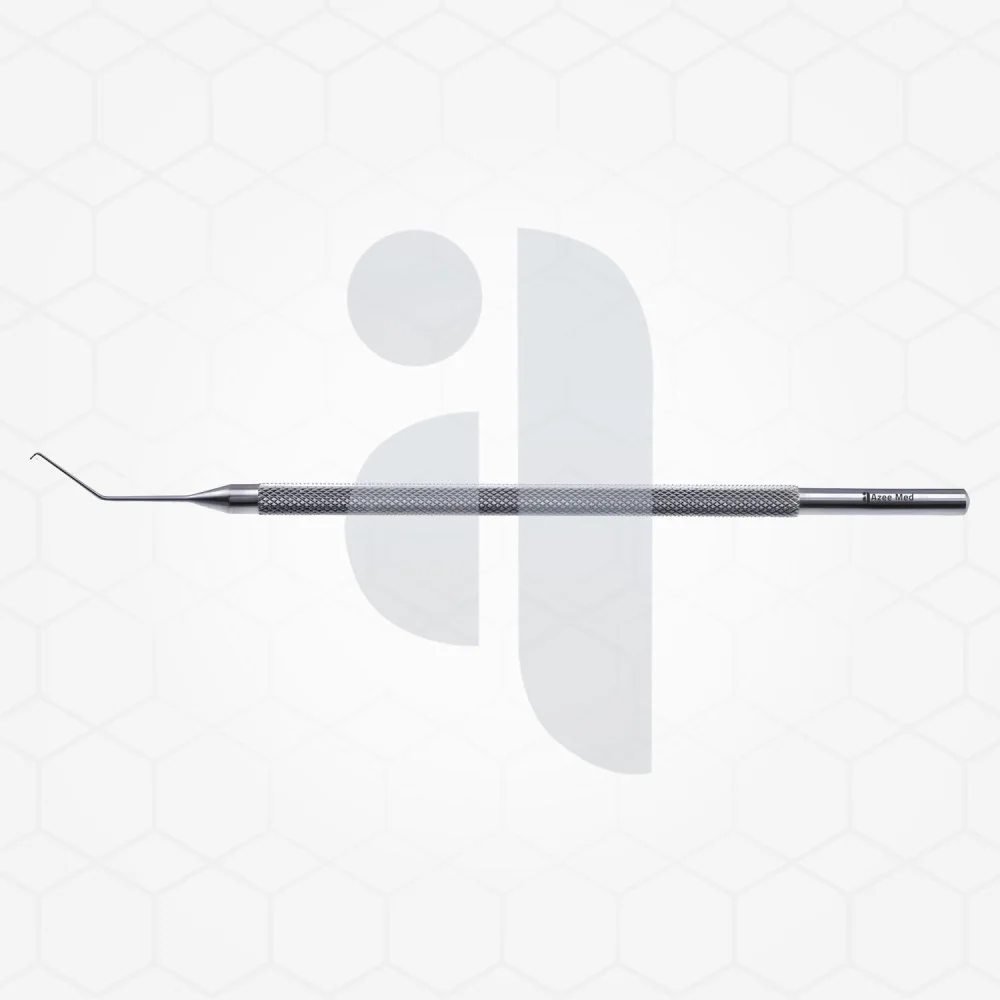
Cataract surgery is one of the most common procedures performed worldwide, and its success depends on skilled hands and dependable tools. Among the instruments ophthalmic surgeons rely on, the little phaco chopper stands out for its role in breaking down the clouded lens safely and efficiently. You will learn what little phaco chopper instrument does, why its design matters, and how to choose one you can trust.

What Is a Little Phaco Chopper?
A little phaco chopper is a fine, handheld ophthalmic instrument used during phacoemulsification, the modern technique for removing cataracts. The surgeon holds it in one hand and the phaco handpiece in the other. The chopper enters the eye through a tiny side-port incision. It then helps split the hard lens nucleus into smaller pieces that are easier to emulsify and remove.
How the Instrument Works During Surgery
During the procedure, the surgeon uses the little phaco chopper to hold, rotate, and divide the lens nucleus. Common methods include horizontal and vertical chopping. In each case, the chopper works against the phaco tip to crack the nucleus along controlled lines. Breaking the lens into fragments mechanically means the surgeon needs less ultrasound energy. This matters because lower energy helps protect delicate structures such as the corneal endothelium and the posterior capsule.
Why Size and Design Matter
The "little" in the name refers to its compact tip, which allows precise movement inside the small space of the anterior chamber. A smaller tip can reduce stress on surrounding tissue and give the surgeon better visibility. A well-made little phaco chopper also features a smooth, polished finish, a balanced handle, and a tip angle that feels natural during repeated motions. These details may seem small, but they directly affect control, comfort, and patient outcomes.
Benefits for Surgeons and Patients
For surgeons, a reliable chopper means smoother technique and greater confidence, even with dense cataracts. For patients, it can mean shorter surgical time, less inflammation, and a quicker recovery. The right little phaco chopper supports safer surgery by helping limit the energy and manipulation needed inside the eye. In short, a better tool helps create a better experience for everyone in the operating room.
Choosing a Trusted Manufacturer
Quality starts with the manufacturer. AzeeMed focuses on making surgical instruments of the highest quality for the medical community around the globe. With over two decades of experience, AzeeMed supplies a wide range of instruments for many surgical specialties, including plastic, dental, ophthalmic, neuro and spine, and orthopedic surgery. Each haemostatic forceps from AzeeMed is crafted with attention to precision, durability, and ease of sterilization, so surgeons can depend on it case after case.
Caring for Your Instrument
Proper care extends the life of any ophthalmic tool. Clean the chopper gently right after use, inspect the tip for damage under magnification, and follow standard sterilization guidelines. Store it in a protective tray to prevent bending or dulling. With good care, your instrument will keep performing at its best.
Conclusion
The little phaco chopper may be small, but it plays a big part in safe, efficient cataract surgery. Its compact design, precise tip, and smooth handling help surgeons reduce ultrasound energy and protect delicate eye tissue. Choosing a well-crafted instrument from an experienced maker like AzeeMed gives you the reliability your patients deserve. Explore AzeeMed's ophthalmic range today and equip your practice with tools built for precision.


 English
 Arabic
