


 About Us
 الشروط
 الخصوصية
 Community Guidelines
Footcare Advice for Cracked, Dry and Rough Skin in Edinburgh
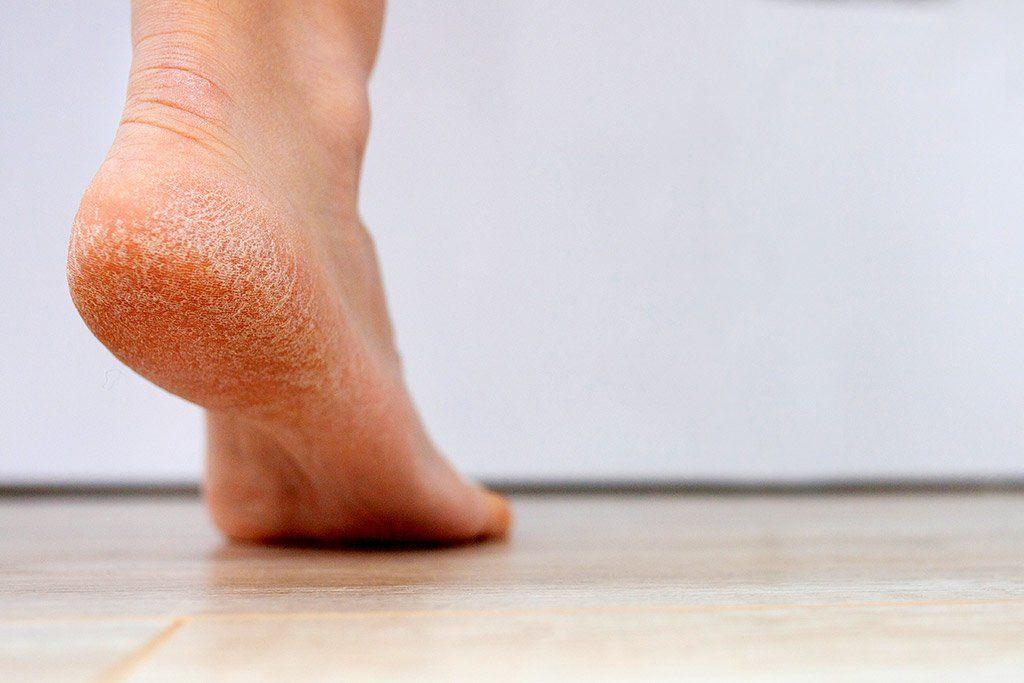
Dry, rough, and cracked skin on the feet is a common concern that can affect comfort and mobility. Heels may become hard, the soles can develop thick patches of skin, and deeper cracks may cause pain when standing or walking. Although these changes can develop gradually, regular footcare can help maintain healthier skin and reduce discomfort.
Cold weather, frequent washing, unsuitable footwear, and prolonged standing may contribute to dry skin. In some cases, underlying conditions can also affect the skin's condition and healing ability. Understanding the causes and following a suitable care routine can make a meaningful difference.
For people experiencing persistent foot problems, Expert Podiatry services in Edinburgh can provide an assessment and advice tailored to individual foot health needs. Professional guidance is particularly useful when cracks become painful, skin problems keep returning, or home care does not improve the condition.
What Causes Dry, Rough and Cracked Skin?
The skin on the soles and heels experiences regular pressure during walking and standing. When the skin loses moisture, it may become less flexible and more likely to develop rough patches or cracks.
Several factors can contribute to these problems.
Lack of moisture: Dry indoor environments, cold weather, and frequent washing with harsh products can leave the skin feeling tight and flaky.
Pressure and friction: Standing for long periods, walking extensively, or wearing poorly fitting shoes can increase pressure on the heels. The skin may respond by becoming thicker and harder.
Open-backed footwear: Shoes that leave the heel exposed may allow the skin to expand sideways under pressure, potentially contributing to heel cracking.
Skin conditions: Conditions such as eczema or psoriasis can cause persistent dryness, scaling, or irritation. Fungal infections may also produce flaky skin, particularly around the toes or soles.
Underlying health concerns: Diabetes and circulation problems can increase the risk of complications when the skin becomes damaged.
Identifying the likely cause helps determine the most appropriate care. Not every dry or cracked foot requires the same treatment, especially when an underlying skin condition is involved.
A Simple Daily Routine for Healthier Feet
Consistent care is often more useful than occasional intensive treatment. A gentle daily routine can help maintain skin moisture and allow you to notice changes before they become more troublesome.
Clean and Dry Your Feet Carefully
Wash your feet using lukewarm water and a mild cleanser. Avoid prolonged soaking because it may worsen dryness in some people. After washing, dry your feet thoroughly, paying particular attention to the spaces between your toes.
Keeping these areas dry helps reduce excess moisture that can contribute to certain skin problems.
Apply a Suitable Moisturiser
Use a foot moisturiser regularly, especially after washing. Products containing urea can help soften thick, dry skin, although the appropriate strength depends on the condition of your feet.
Apply moisturiser to dry areas such as the heels and soles, but avoid putting it between the toes. If you have open cracks, sensitive skin, or a medical condition affecting your feet, ask a healthcare professional which product is suitable.
Choose Supportive Footwear
Shoes should fit comfortably, provide suitable support, and protect the heels from excessive pressure. Avoid footwear that repeatedly rubs the skin or leaves cracked heels exposed when this aggravates symptoms.
Clean socks and well-fitting shoes can also help keep your feet comfortable throughout the day.
When Do Cracked Heels Need Professional Attention?
Mild dryness may improve with regular moisturising and appropriate footwear. However, deeper cracks require more careful attention because breaks in the skin can become painful and may increase the risk of infection.
Seek professional advice if your heels bleed, become increasingly painful, show signs of infection, or fail to improve with routine care. Redness, warmth, swelling, discharge, or spreading skin changes should not be ignored.
People with diabetes, reduced sensation, or circulation problems should seek advice before attempting to remove hard skin themselves. Even small injuries can become serious when healing is impaired.
Through Expert Podiatry services in Edinburgh, individuals can receive an assessment of their foot condition and recommendations suited to their skin, health history, and daily activities.
Safe Ways to Manage Hard and Rough Skin
Thick skin often develops in areas exposed to repeated pressure or friction. Although it may seem tempting to remove it quickly, aggressive treatment can damage healthy tissue and make the problem worse.
Consider these safer approaches:
-
Moisturise regularly to improve skin softness.
-
Use a foot file gently on intact hard skin if it is safe for you to do so.
-
Avoid cutting thick skin with scissors, blades, or other sharp objects.
-
Wear shoes that fit properly and reduce unnecessary pressure.
-
Seek professional advice if hard skin is painful, extensive, or repeatedly returns.
Do not file or attempt to remove hard skin over open cracks or wounds. If you have diabetes, poor circulation, or reduced sensation, consult a qualified professional before using foot files or other removal methods.
A podiatrist can assess whether professional hard-skin reduction, footwear advice, or pressure management may be appropriate.
How a Podiatrist Can Help
Professional footcare focuses on understanding the cause of a problem rather than simply treating its visible symptoms. During an appointment, a podiatrist may examine the skin, assess areas of pressure, discuss footwear, and ask about relevant medical conditions.
Depending on the findings, the recommended care may include:
Hard-skin management: Appropriate reduction of thickened skin when clinically suitable.
Footwear guidance: Advice on shoes that provide a comfortable fit and help reduce pressure on vulnerable areas.
Moisturising recommendations: Guidance on selecting and applying suitable products for dry or thickened skin.
Prevention strategies: Practical changes to daily habits that may reduce repeated friction and help maintain skin condition.
Further assessment: Referral for additional medical advice if the symptoms suggest an underlying skin condition, infection, or another health concern.
Choosing Expert Podiatry services in Edinburgh can help people understand their options and develop a realistic footcare routine. Treatment recommendations should always reflect the individual's symptoms, health risks, and the condition of the skin.
Preventing Dryness from Returning
Once the skin begins to improve, maintaining a regular routine can help reduce the likelihood of recurring dryness. Small habits are often easier to sustain when they become part of everyday personal care.
Moisturise your heels and soles regularly, check your feet for new cracks, and avoid footwear that causes repeated rubbing. If you spend much of the day standing, make sure your shoes remain comfortable and provide suitable support.
It is also useful to monitor changes in skin colour, temperature, texture, and sensation. Persistent scaling, itching, or peeling may indicate a condition that needs specific treatment rather than moisturiser alone.
For people whose rough skin develops because of pressure or recurring hard-skin buildup, Expert Podiatry services in Edinburgh can help identify contributing factors and suggest suitable preventive measures.
Take Better Care of Your Feet
Cracked, dry, and rough skin can affect comfort, confidence, and everyday movement. Regular cleansing, appropriate moisturising, supportive footwear, and careful monitoring can help maintain healthier feet.
However, persistent cracks, painful hard skin, and signs of infection require professional attention. Avoid aggressive home treatments, particularly if you have diabetes, circulation difficulties, or reduced sensation.
With Expert Podiatry services in Edinburgh, you can receive personalised advice about managing existing skin concerns and preventing future problems. Taking a consistent approach to footcare can help you maintain comfort and support healthier movement throughout the year.

 English
 French
