


 About Us
 Conditions générale de vente
 Confidentialité
 Community Guidelines
Physiotherapy for Wrist Pain and Limited Hand Movement
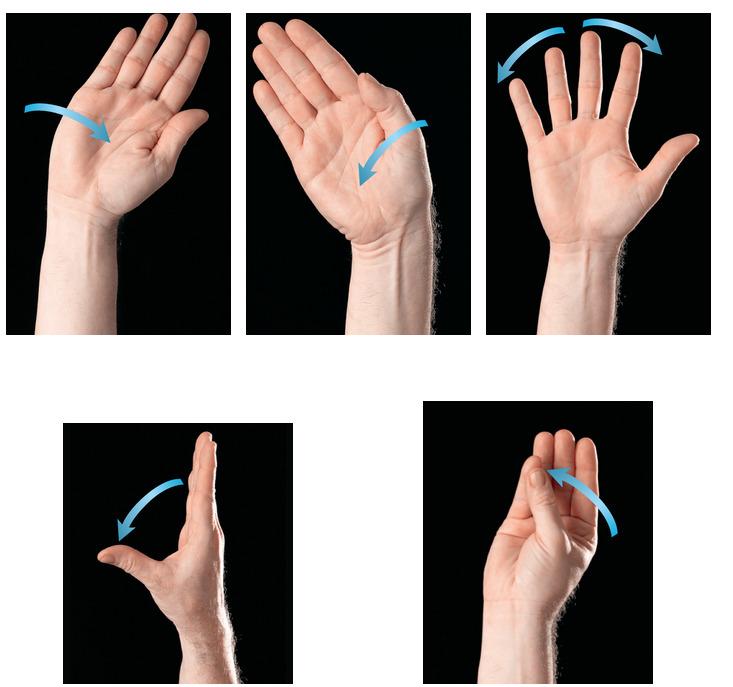
Wrist pain and limited hand movement can make everyday tasks surprisingly difficult. Typing on a computer, holding a cup, opening jars, getting dressed, or carrying shopping bags may become uncomfortable when the wrist feels stiff or weak. For people who rely on their hands for work, hobbies, or household responsibilities, these difficulties can affect both productivity and quality of life.
Wrist discomfort may develop gradually through repetitive movements or appear suddenly after an injury. Conditions affecting tendons, joints, nerves, and surrounding tissues can all contribute to pain or reduced movement. Identifying the underlying cause is important because different problems require different management approaches.
With Physiotherapy in Edinburgh, individuals can explore appropriate ways to manage wrist symptoms, improve hand function, and return to everyday activities. A personalised assessment can help identify movement limitations and guide a suitable recovery plan.
Understanding the Causes of Wrist Pain
The wrist contains several small bones, joints, ligaments, tendons, and nerves that work together to support hand movement. Because these structures perform many tasks throughout the day, they can become irritated or injured under certain circumstances.
Common causes include:
Repetitive strain: Frequent typing, prolonged phone use, and repeated gripping can contribute to discomfort in the wrist and forearm.
Tendon irritation: Tendons help control wrist and finger movement. Irritation can cause pain during gripping, lifting, or moving the wrist in particular directions.
Wrist sprains: A fall onto an outstretched hand or a sudden twisting movement may stretch or damage the ligaments supporting the wrist.
Carpal tunnel syndrome: Pressure on the median nerve at the wrist can cause tingling, numbness, weakness, or discomfort in parts of the hand.
Joint conditions: Arthritis and other joint problems may lead to stiffness, swelling, and difficulty performing precise movements.
Pain alone cannot confirm which condition is responsible. A clinical assessment can help distinguish between possible causes and determine whether further investigation is necessary.
Signs That Wrist Problems May Need Attention
Wrist symptoms can vary depending on the affected structures and the activities that aggravate them. Recognising changes early may help prevent unnecessary strain and identify when professional advice is appropriate.
Look out for the following symptoms:
-
Pain when gripping objects or lifting items.
-
Stiffness when bending or rotating the wrist.
-
Difficulty moving the fingers through their usual range.
-
Reduced grip strength or trouble holding objects securely.
-
Swelling or tenderness around the wrist.
-
Tingling or numbness in the fingers.
-
Discomfort that increases during repetitive tasks.
If symptoms continue, interfere with sleep, or affect your ability to work, consider arranging a professional assessment. Sudden severe pain, obvious deformity, significant swelling after an injury, or an inability to move the wrist requires prompt medical attention. New or worsening numbness or weakness should also be assessed without delay.
How Physiotherapy Can Improve Wrist and Hand Function
Physiotherapy aims to improve movement, manage symptoms, and support the gradual return to meaningful activities. Treatment depends on the cause of the problem, the severity of symptoms, and the person's daily demands.
Improving Wrist Mobility
Pain and swelling can restrict wrist movement, making simple actions uncomfortable. When appropriate, a physiotherapist may recommend gentle movements to maintain or gradually restore flexibility.
Exercises might involve controlled wrist bending, straightening, and forearm rotation. The programme should match the individual's condition, and movements should not be forced through significant pain.
Building Grip Strength
Reduced grip strength can make it difficult to carry bags, hold tools, or manage household tasks. Once suitable for the condition, strengthening exercises may help improve the muscles involved in gripping and controlling the hand.
Progress should be gradual. Beginning with demanding exercises too early may aggravate symptoms, particularly after an injury or surgical procedure.
Improving Finger Coordination
Some wrist conditions affect the way people coordinate their fingers during daily activities. A rehabilitation programme may include gentle finger movements and functional tasks designed to support dexterity.
These activities can be adapted to suit individual needs, whether the goal is to return to office work, cooking, crafts, or other hobbies.
Managing Pain and Daily Activities
A physiotherapist may also suggest adjustments to repetitive tasks, advice on activity pacing, and strategies for reducing unnecessary strain. Depending on the diagnosis, treatment may include manual techniques or guidance about temporary support.
Seeking Physiotherapy in Edinburgh can provide an opportunity to discuss these options and develop a plan suited to your symptoms and recovery goals.
Everyday Habits That Can Reduce Wrist Strain
Daily routines often involve repeated hand movements, especially for people who work at computers, use handheld devices, or perform manual tasks. Small adjustments may help make these activities more comfortable.
Adjust your workstation. Keep your keyboard and mouse within comfortable reach, and avoid holding your wrists in an awkward position for long periods.
Take regular breaks. Change activities throughout the day and allow your hands to rest between repetitive tasks. Short movement breaks may help reduce prolonged strain.
Avoid excessive gripping. Where possible, use tools with comfortable handles and avoid gripping objects more tightly than necessary.
Increase activity gradually. If you are returning to exercise, gardening, or manual work after wrist discomfort, increase the duration and intensity in manageable steps.
Pay attention to symptoms. Stop or modify an activity if it causes increasing pain, tingling, or weakness.
These measures can support general wrist health, but they do not replace an assessment when symptoms persist or indicate a more significant problem.
What to Expect During a Physiotherapy Appointment
A physiotherapy appointment usually begins with a discussion about your symptoms, medical history, previous injuries, and daily activities. The practitioner may ask when the pain started, which movements make it worse, and whether you experience numbness, tingling, or reduced grip strength.
The physical assessment may involve checking wrist and finger movement, grip strength, sensation, and how the hand performs particular tasks. The exact tests depend on the symptoms and suspected cause.
Following the assessment, the physiotherapist can explain the findings and recommend suitable next steps. These may include a home exercise programme, activity modifications, supervised rehabilitation, or referral for medical investigation when necessary.
Effective Physiotherapy in Edinburgh should involve clear communication and realistic goals. A treatment plan may be adjusted as symptoms change and hand function improves.
Recovery times vary. Mild movement-related problems may improve relatively quickly, while significant injuries, nerve problems, and certain joint conditions can require longer-term management.
When Is Further Medical Assessment Necessary?
Although physiotherapy can help with many musculoskeletal problems, some wrist symptoms require medical evaluation before exercises or hands-on treatment begin.
Seek prompt medical advice after a significant fall or injury, particularly if you have severe pain, substantial swelling, visible deformity, or difficulty moving your wrist. A fracture can sometimes be mistaken for a sprain, so appropriate assessment is important.
Persistent numbness, progressive weakness, or repeated loss of grip should also be investigated. Symptoms involving nerve compression may need specific treatment, and early assessment can help clarify the available options.
If your wrist is red, hot, or significantly swollen, particularly with fever, seek urgent medical attention. Do not rely on home exercises alone when symptoms suggest a serious injury or infection.
Regain Confidence in Everyday Hand Movements
Wrist pain and restricted hand movement can interfere with work, household tasks, exercise, and hobbies. Understanding the cause of the symptoms is the first step towards choosing appropriate treatment and avoiding activities that may worsen the problem.
With Physiotherapy in Edinburgh, individuals can receive tailored guidance to improve mobility, rebuild strength, and manage daily tasks more comfortably. A combination of appropriate exercises, activity adjustments, and professional advice may help support recovery and improve hand function.
If wrist discomfort continues or affects your ability to use your hand normally, consider seeking a professional assessment. Addressing the problem early can help you understand your options and work towards a safer, more confident return to everyday activities.

 English
 Arabic
