


 About Us
 Terms
 Privacy
 Community Guidelines
How Container Leasing Differs From Container Ownership
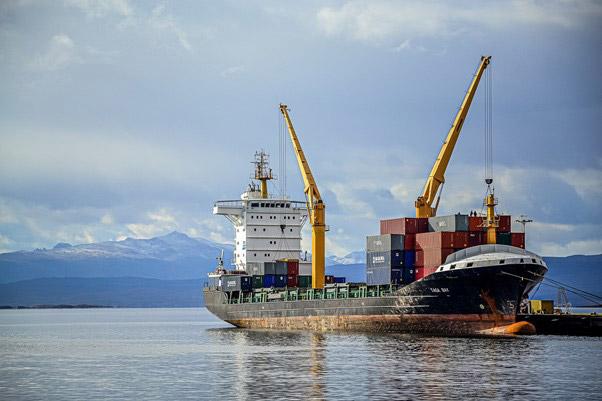
Containers play an important role in international shipping. They allow businesses to move goods by sea, road, and rail while keeping cargo protected during transportation. However, companies that regularly ship goods must decide how they will access the containers they need. Should they lease containers from a provider, or should they purchase and own them?
Both options can support business operations, but they involve different costs, responsibilities, and levels of flexibility. Leasing may suit businesses that need containers for a limited period or want to avoid a large upfront investment. Ownership may be more suitable for companies with regular shipping needs and a clear plan for using containers over several years.
The right choice depends on shipment volume, business cash flow, container use, storage arrangements, and long-term plans. Understanding these differences can help importers, exporters, and logistics managers control costs and make better decisions.
What Is Container Leasing?
Container leasing means renting a shipping container from a leasing company or another provider for an agreed period. Instead of purchasing the container, the business pays according to the lease agreement. The charges may be based on the rental period, container type, condition, location, and other agreed terms.
Leasing is common in shipping because container demand changes throughout the year. A business may need extra containers during a busy season but have little use for them during quieter months. Leasing can help the business access the required equipment without purchasing containers that may remain unused later.
For example, an exporter in Pakistan may experience a rise in orders before a major retail season. The company needs additional containers to ship textiles to overseas customers. Rather than buying containers for a short period of increased demand, it may lease the required units for the relevant shipments.
The leasing provider generally retains ownership of the containers. The customer must follow the agreement's conditions, including rules about usage, return locations, container condition, and the rental period.
Some agreements offer greater flexibility than others. A short-term lease may suit a temporary shipment requirement, while a long-term lease may provide access to containers over a longer period. Businesses should compare the terms carefully before making a decision.
What Is Container Ownership?
Container ownership means purchasing a container and holding it as a business asset. The company pays the purchase price and becomes responsible for managing the container throughout its useful life.
An owned container can provide greater control over its use. The owner may arrange its deployment, storage, maintenance, and movement according to business needs, subject to carrier acceptance, equipment standards, and operational requirements.
For example, a company that exports machinery every month may decide to purchase containers for its regular shipments. If the containers are used consistently, ownership may help the company manage equipment availability and reduce its dependence on rental arrangements.
However, ownership also comes with responsibilities. The company must consider the initial purchase cost, inspections, repairs, storage, repositioning, and eventual resale or disposal. A container that is not used regularly may become an underused asset that ties up business capital.
Ownership does not automatically mean that a container can be used on every shipping route without additional arrangements. The business still needs to coordinate container acceptance, transport bookings, and the return or positioning of equipment where required.
Container Leasing vs Container Ownership: The Main Difference
The main difference is who owns the container and who carries the associated financial and operational responsibilities.
With leasing, the business pays to use a container under an agreement. The leasing provider retains ownership, while the customer must comply with the agreed terms. This arrangement can reduce the initial investment and may provide flexibility when demand changes.
With ownership, the business purchases the container and takes responsibility for managing it. This requires more capital at the beginning but gives the owner greater control over the asset.
The two options also differ in how costs are recorded and managed. Leasing usually creates rental expenses over the agreed period. Ownership involves an upfront purchase cost, and the container may be recorded as an asset and depreciated according to the business's accounting policies and applicable standards.
Neither option is always cheaper. The total cost depends on how often the container is used, how long it is needed, where it must be positioned, and what charges apply under the lease or ownership arrangement.
A business should compare the full cost of both options rather than focusing only on the rental rate or purchase price.
Initial Investment and Cash Flow
One of the biggest advantages of container leasing is the lower initial financial commitment. A business usually does not need to pay the full purchase price of a container. Instead, it pays rental charges under the agreed terms.
This can be helpful for small and medium-sized businesses that need to preserve cash for inventory, wages, production, marketing, and other operating expenses. It may also help companies respond to new orders without making a large equipment investment.
Container ownership requires a higher upfront payment. The business must purchase the container before using it as an owned asset. This may reduce the funds available for other activities, particularly if several containers are required.
However, purchasing may be reasonable when a business has sufficient capital and expects to use the containers regularly for many years. In that case, the company may prefer investing in an asset rather than making repeated rental payments.
Businesses should assess their cash flow before deciding. A lower initial cost does not always mean a lower total cost, just as a large purchase does not automatically produce long-term savings.
Long-Term Costs and Financial Planning
Leasing costs are usually easier to identify because the agreement specifies the rental charges and other conditions. However, the total expense can increase when containers are needed for longer than expected or when additional charges apply.
For example, a business may plan to lease a container for a short shipment but experience delays at the destination. If the agreement includes charges for extended use, the rental expense may continue to rise until the container is returned or the relevant arrangement ends.
Ownership has a different cost structure. The company pays for the container at the beginning and may then face maintenance, repair, storage, insurance, and repositioning expenses. The container may also lose value over time.
An owned container could be more economical over a long period if it is used frequently and managed efficiently. However, this depends on the purchase price, condition, maintenance requirements, utilisation rate, and resale value.
Before deciding, businesses should estimate the total cost over the expected period of use. The comparison should include all relevant expenses, not just the purchase price or monthly lease rate.
Flexibility and Changing Shipping Demand
Container leasing can be useful when shipping volumes change. Businesses often experience seasonal demand, new customer orders, temporary projects, or unexpected increases in exports. Leasing can provide access to additional equipment without requiring permanent ownership.
This flexibility is particularly valuable for companies that are still growing or cannot accurately predict their future shipping needs. A business can review its container requirements as its order volume changes.
Ownership may provide more control when demand is stable. Companies that ship similar volumes throughout the year may benefit from having containers available for regular operations.
However, owned containers can become a burden if business activity declines. The company may have to pay for storage, maintenance, or repositioning even when the containers are not generating value.
The decision should reflect the stability of the business's shipping activity. Companies with unpredictable demand may prefer a flexible arrangement, while businesses with consistent and high utilisation may consider ownership.
Maintenance, Repairs, and Container Condition
Maintenance responsibilities depend on the lease agreement. Some providers supply containers in an agreed condition and set out how damage, repairs, inspections, and normal wear will be handled. The customer may be responsible for damage that occurs during the period of use.
Before accepting a leased container, businesses should inspect its condition and document any existing damage. Clear records can help prevent disputes when the container is returned.
Container owners must arrange maintenance and repairs themselves or through a service provider. This gives them greater control over maintenance schedules, but it also means they must plan for the associated costs.
The condition of a container matters because it can affect cargo protection and operational suitability. Containers used for general cargo may have different requirements from refrigerated containers or equipment intended for specialised shipments.
Businesses should choose equipment that suits the cargo and route. They should also confirm that the container meets the relevant carrier and operational requirements before loading.
Container Availability and Shipping Routes
Container availability can affect shipment planning. During periods of high demand, businesses may find it harder to secure the equipment they need at a particular location. Leasing may help them access containers through a provider's network, but availability is not guaranteed.
Owning containers can offer more direct control over equipment availability. However, the containers still need to be positioned where the shipment begins. Moving empty containers to the required location can create extra costs and take time.
For example, a company may own several containers near its warehouse in Karachi but need them for exports from another location. The cost of transporting empty equipment to that location must be included in the overall decision.
Leasing providers may offer containers at different locations, depending on their inventory and commercial arrangements. Businesses should check availability, collection points, return locations, and permitted routes before signing an agreement.
A suitable container arrangement should support the entire shipment plan, including the origin, destination, expected transit period, and return or repositioning requirements.
Demurrage, Detention, and Other Charges
Demurrage and detention can increase shipping costs when containers are not moved or returned within the permitted time. The exact meaning and application of these charges depend on the carrier, terminal, contract, and equipment arrangement.
Demurrage commonly relates to the time a container remains at a port or terminal beyond the allowed free period. Detention commonly relates to keeping the carrier's container outside the terminal beyond the permitted period. The exact rules and billing practices should always be confirmed with the relevant provider.
Leased containers may have additional contractual conditions relating to the rental period, return location, and extended use. Depending on the agreement, late returns or failure to meet return requirements may create extra costs.
Owning a container does not eliminate all shipping-related charges. Port charges, terminal storage, handling, and other operational expenses may still apply. Owners must also consider the cost of moving containers between locations.
Businesses can reduce unexpected costs by planning customs clearance early, preparing shipping documents on time, and coordinating container collection and return arrangements.
Which Option Is Better for Small and Large Businesses?
Container leasing may suit small businesses that ship goods occasionally or have limited funds for equipment purchases. It can provide access to containers without requiring a large initial investment. It may also be useful when a business is testing a new export market or handling a temporary contract.
Growing companies may benefit from a mixed approach. They could own containers for predictable shipments and lease extra equipment during busy periods. This allows them to maintain some control while avoiding the cost of purchasing enough containers to cover every possible demand increase.
Large companies with consistent shipping volumes may find ownership attractive if their containers are used frequently and the total cost is lower over time. However, a large business should still consider the complexity of managing equipment across several ports and countries.
There is no single answer for every company. The best arrangement depends on shipment frequency, container utilisation, available capital, storage capacity, route requirements, and the ability to manage maintenance and returns.
How Freight and Logistics Planning Supports the Decision
Choosing between leasing and ownership is only one part of managing container shipments. Businesses must also plan cargo volume, shipping schedules, container type, documentation, customs clearance, and delivery arrangements.
Working with an experienced logistics provider can help businesses understand how container availability and routing affect the overall shipment cost. It can also help them identify operational issues before they lead to delays or additional charges.
For businesses arranging regular container shipments, understanding the difference between full container load and less-than-container load services can also be useful. The right option depends on cargo volume, handling needs, transit plans, and the total cost of the shipment.
You can learn more about container shipping arrangements through the shipping line and NVOCC services page:
https://nobleline.ae/services/shipping-line-nvocc/
If cargo needs to be stored temporarily before local distribution or onward movement, bonded warehousing may also be relevant. Storage and staging arrangements can influence how containers are managed and when goods are released.
Read more about these options here:
https://nobleline.ae/services/bonded-warehousing/
Noble Line Logistics LLC can help businesses coordinate container shipping and related logistics arrangements according to their cargo requirements and planned routes.
How to Decide Between Leasing and Ownership
The decision should begin with a clear review of the business's shipping pattern. Companies should estimate how many containers they need, how often they use them, and how long each container remains in service.
They should then compare the expected leasing costs with the full cost of ownership. This includes the purchase price, maintenance, storage, insurance where applicable, empty repositioning, and the expected resale value.
The business should also consider the risks of changing demand. If container requirements are uncertain, leasing may provide greater flexibility. If utilisation is high and stable, ownership may deserve closer consideration.
The terms of any lease agreement should be reviewed carefully. Businesses should check the rental period, permitted use, return conditions, damage responsibilities, and charges for late returns. If purchasing containers, they should assess the equipment's condition, expected useful life, and suitability for their shipping needs.
A realistic cost comparison can help the business avoid choosing an option based only on the lowest immediate price.
Conclusion
Container leasing and container ownership both offer advantages, but they serve different business needs. Leasing can reduce upfront investment and provide flexibility when shipping demand changes. Ownership can offer greater control and may become more economical when containers are used regularly over a long period.
The right choice depends on the total cost, container utilisation, cash flow, maintenance responsibilities, equipment availability, and return or repositioning requirements. Businesses should also consider the effect of shipping delays and additional charges on their overall logistics budget.
Before making a decision, compare the expected costs over the period you plan to use the containers. Review the relevant terms and consider how the arrangement will support your wider shipping operations. A well-planned choice can help control expenses, improve equipment availability, and keep cargo moving efficiently.

 Arabic
 French
