

Zombo coffee stakeholders call for protection of Arabica as farmers embrace new varieties

By Mike Rwothomio
Coffee stakeholders in Zombo District have called on the government to strengthen efforts to preserve traditional Arabica coffee varieties amid concerns that farmers are increasingly abandoning existing planting materials in favour of newly introduced varieties.
The stakeholders warned that the growing adoption of alternative coffee cultivars, without adequate research and assessment, could undermine the conservation of traditional Arabica varieties that have contributed to the identity of Uganda's coffee industry.
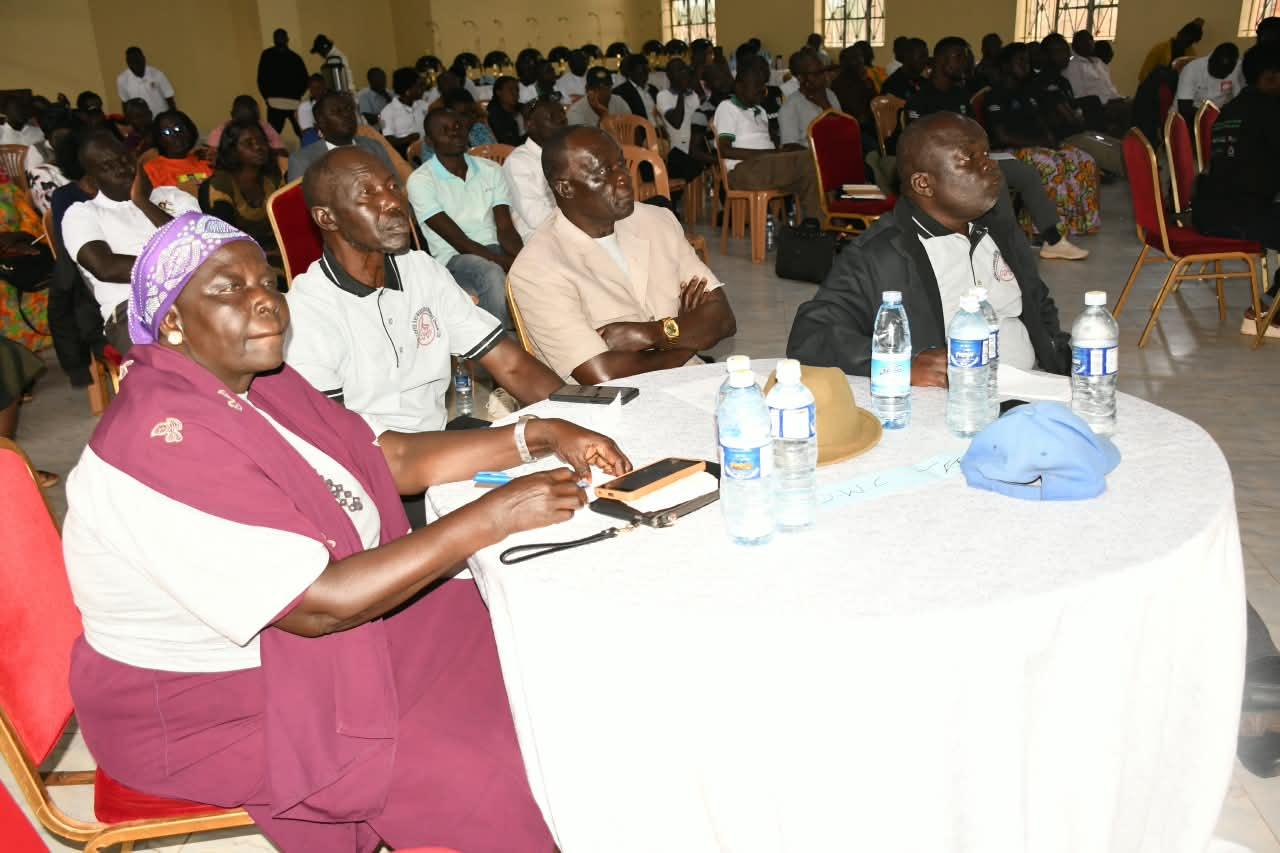
The appeal was made during the Zombo Agricultural Trade Show and Coffee Conference 2026, held from November 11–13 at Kyambogo University Paidha Campus playground in Paidha Town Council.
During a session for coffee conference held at Paidha Cultural Centre on November 12, participants also raised concerns about the introduction of Marsellesa, with information attributed to the Ministry of Agriculture, Animal Industry and Fisheries (MAAIF) indicating that the cultivar had not been officially registered, proven or released for commercial cultivation in Uganda by the ministry or the National Coffee Research Institute (NaCORI).
Zombo District Production Officer Dr Walter Kumakech cautioned farmers against abandoning traditional Arabica varieties before sufficient research establishes the suitability and performance of alternative planting materials under local growing conditions.
He called for a balanced approach that allows farmers to explore new varieties while safeguarding existing coffee genetic resources.
COSMA Umirambe, Executive Director of Alur Community Empowerment Foundation and a coffee nursery operator, appealed to MAAIF to intervene and address the declining cultivation of traditional Arabica coffee.
Umirambe specifically expressed concern over the growing adoption of Marsellesa, saying,“Many people are abandoning our Arabica coffee. Their should be a deliberate approach by all stakeholders to preserve our Arabica coffee variety.”
He said the concern reflects a wider challenge facing coffee-growing communities in the highland areas of West Nile, where Arabica production remains an important part of the agricultural landscape.
A researcher from the National Agricultural Research Organisation (NARO), meanwhile, called for “adaptation mechanisms to help farmers respond to emerging challenges in coffee production,” emphasising the need for research-based decisions when introducing or replacing coffee varieties.
Understanding Marsellesa and Arabica coffee.
Marsellesa is not a separate coffee species but an Arabica cultivar belonging to the Sarchimor genetic group.
According to World Coffee Research, it originated from a cross between Timor Hybrid 832/2 and Villa Sarchi CIFC 971/10 and was developed through breeding and selection involving French agricultural research institution CIRAD and coffee company ECOM in Nicaragua, where it was released in 2009.
Its genetic background distinguishes it from traditional Arabica planting materials, making local research and evaluation important before its widespread adoption in new coffee-growing environments.
Arabica is one of the two principal commercial coffee species cultivated in Uganda, alongside Robusta, which accounts for the largest proportion of national coffee production and exports.
Arabica is predominantly grown in highland and mountainous areas, including Mount Elgon, the Rwenzori Mountains, the south-western highlands and the West Nile highlands.
In West Nile, Zombo, Nebbi, Arua, Maracha and neighbouring districts form part of Uganda's northern-western Arabica-growing zone.
The stakeholders argued that introducing new varieties to address emerging agricultural challenges should go hand in hand with conserving existing planting materials whose genetic characteristics and adaptation to local conditions remain important.
Uganda's coffee export performance
Uganda remains one of Africa's leading coffee-producing countries, with Robusta dominating production and exports, while Arabica contributes a smaller but significant share.
According to MAAIF's December 2025 coffee report, Uganda exported approximately 8.7 million 60-kilogramme bags of coffee worth US$2.5 billion during the 2025 calendar year.
The figures represented a 48 per cent increase in export volume and a 71 per cent growth in export value compared with 2024.
For the 2025/26 marketing year, the United States Department of Agriculture's Foreign Agricultural Service estimated Uganda's Arabica production at approximately 1.12 million bags, compared with 5.975 million bags of Robusta.
The figures are estimates rather than final production statistics.
Zombo's coffee ambitions
In Zombo District, the call to preserve traditional Arabica varieties comes at a time when authorities are pursuing an ambitious plan to expand coffee production and increase the district's contribution to Uganda's export earnings.
The district has approximately 9,500 hectares under coffee cultivation, but average productivity is estimated at only 0.1 kilogramme per tree.
Authorities are targeting an increase in productivity to three kilogrammes per tree and annual coffee exports of approximately 61 metric tonnes within five years.
Figures attributed to MAAIF indicate that Zombo exported 5.6 metric tonnes of parchment coffee in 2026, highlighting the gap between current performance and the district's five-year ambition.
Dr Kumakech said the district intends to pursue the targets through improved seedlings, fertilisers, agricultural inputs, extension services and better post-harvest management.
The Okoro Coffee Growers Cooperative Union remains among the longstanding institutions supporting coffee farmers in the district. Established in 1962, the union has more than 8,000 members and 37 affiliated societies operating across Zombo, Nebbi and Arua districts.
Its board chairperson, James Cekecan Apoi, called for stronger farmer mobilisation and sensitisation to improve Arabica coffee production.
He called for a “strategic effort in sensitizing and strengthening farmers” to boost production of Arabica coffee.
Apoi also emphasised the union's role in mobilising farmers and connecting them to the coffee value chain, adding that “this will provide an important foundation for strengthening production and marketing capacity.”
Trade show promotes agricultural transformation
The three-day Zombo Agricultural Trade Show and Coffee Conference 2026 was held under the theme, “Building Climate Resilient Agriculture for Sustainable Agro-Industrialization and Market Linkages for Wealth Creation.”
The event brought together farmers, agricultural development partners, government institutions, researchers, agro-input dealers, exhibitors and private-sector players to discuss opportunities and challenges affecting agricultural production and commercialisation.
Deputy Vice-Chancellor for Academic Affairs at Kyambogo University, Professor Maria Goretti N. Musoke, officially opened the exhibition after inspecting the various exhibition tents.
Zombo District LCV Chairperson James Oruna Oyullu expressed satisfaction with the participation of development partners, describing their involvement as an important contribution to the district's agricultural transformation agenda.
He recommended that the exhibition be organised annually, highlighting its contribution to the development of the coffee subsector.
The exhibition showcased several agricultural commodities, including coffee, bananas, Irish potatoes, tea, cassava, honey, horticulture, aquaculture, dairy products and small ruminants.
It also provided a platform for agricultural value addition, with exhibitors demonstrating how locally available raw materials could be transformed into marketable products.
Filipa Afoyorwoth of Nature for Life Beekeeping Enterprise showcased processed bee products, while Sunday Rwothomio from Pakwach exhibited woodwork products made from baboon apple tree material.
Gloria Fuacan, a sesame farmer, demonstrated how she transforms harvested sesame into packaged snacks.
The coffee conference further provided an opportunity for stakeholders to discuss production constraints, planting materials, quality management, processing, marketing and access to markets.
farmers attend coffee conference at Paidha town council last week.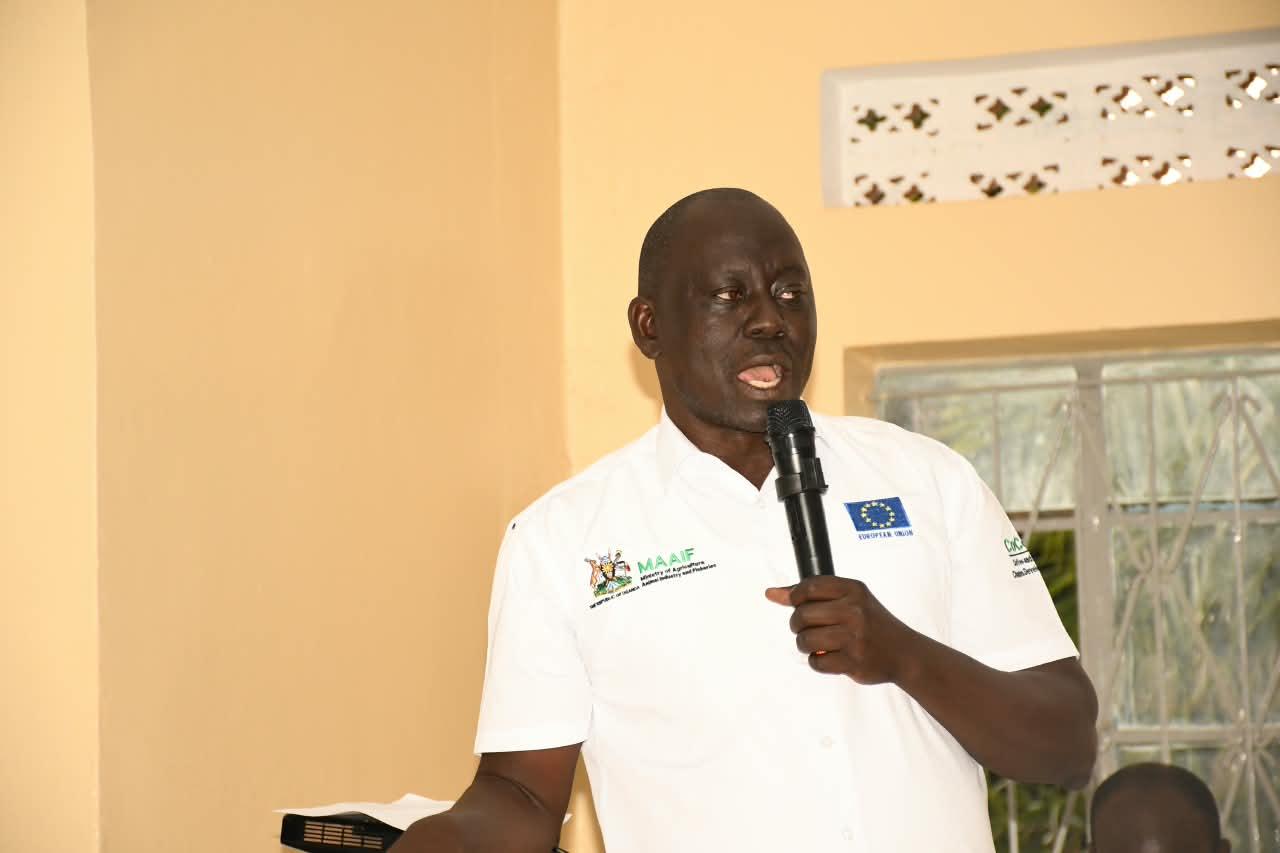
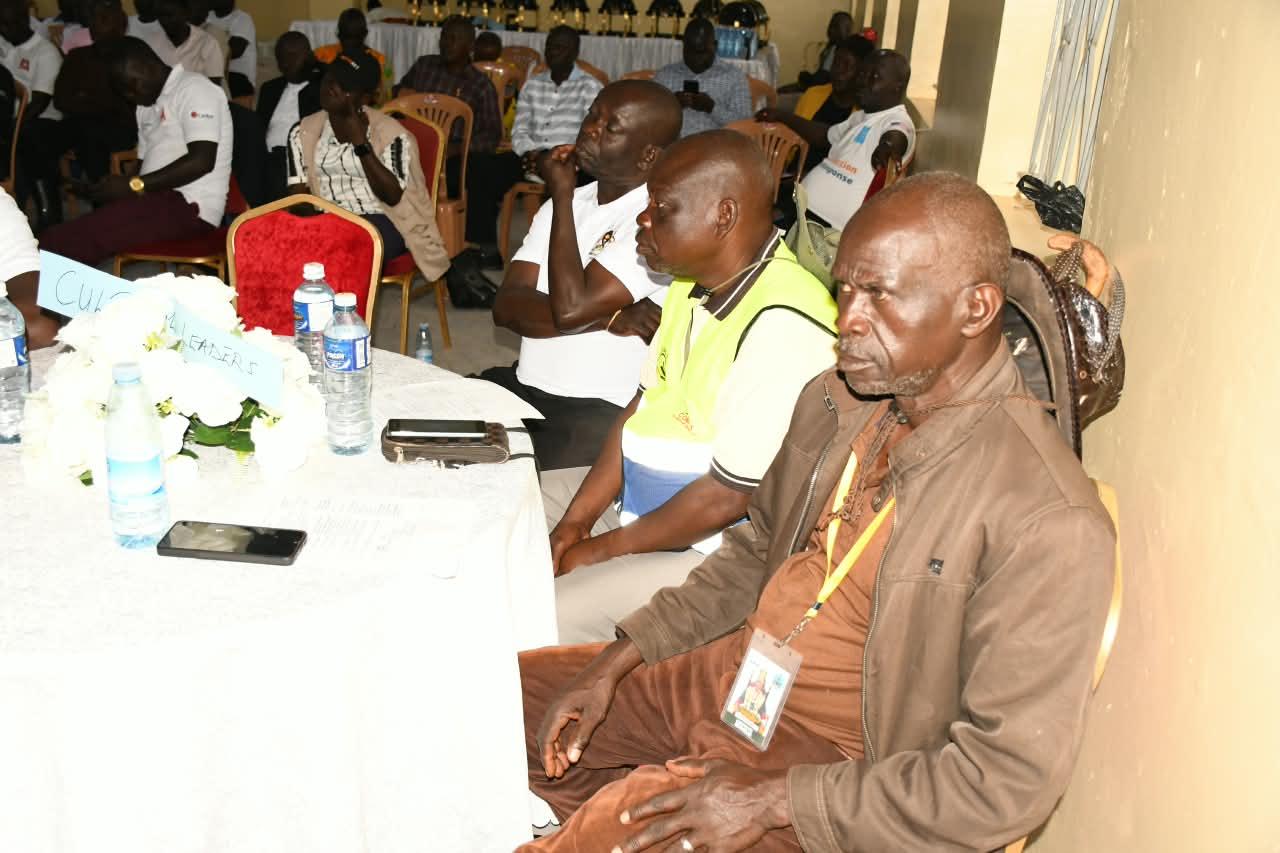
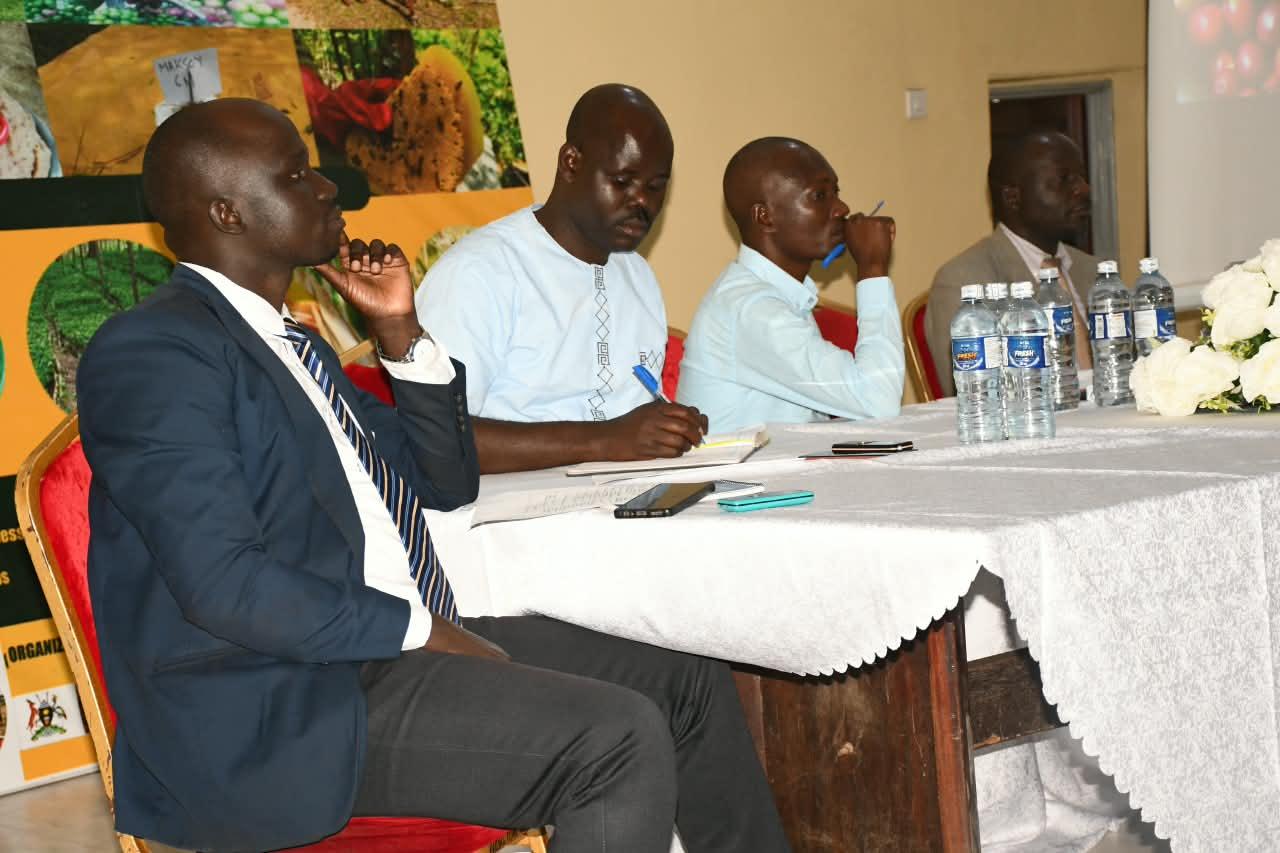
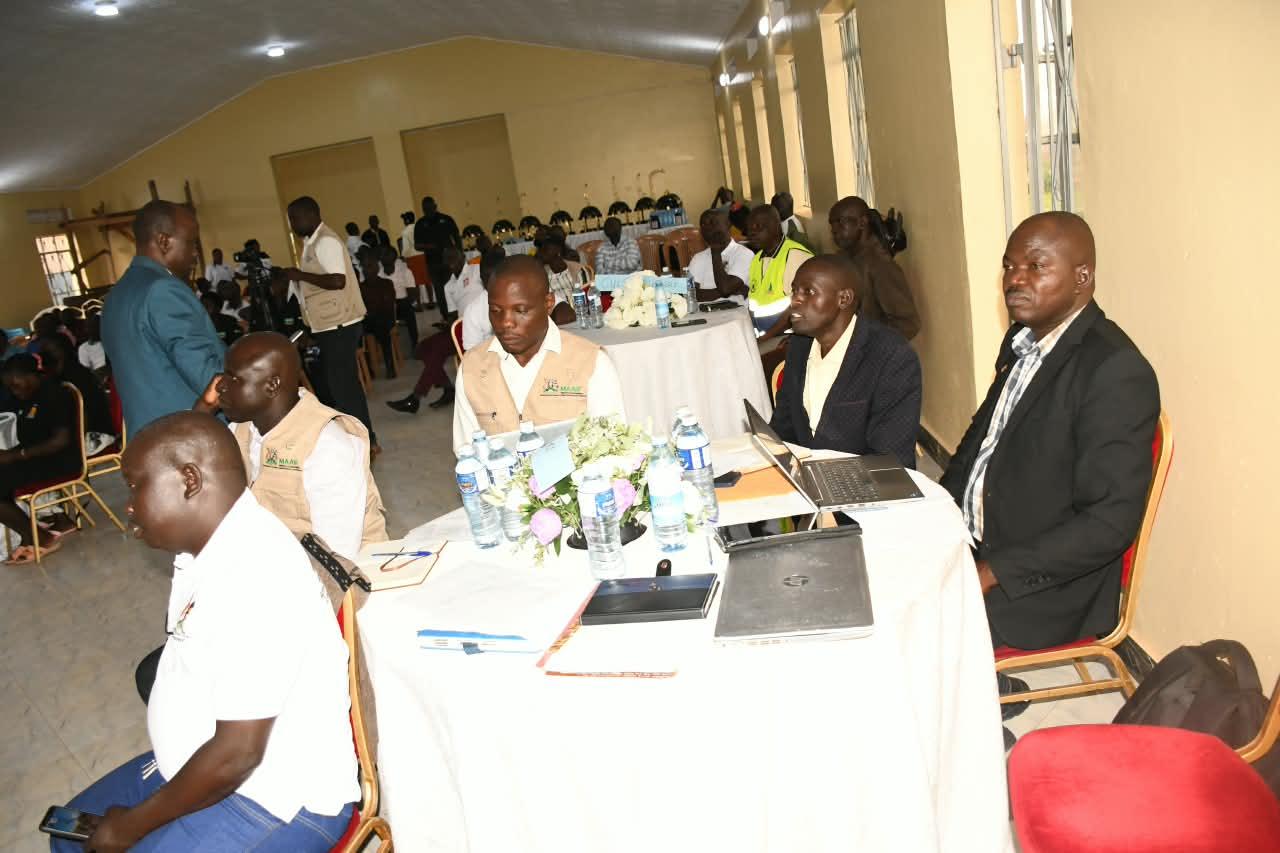
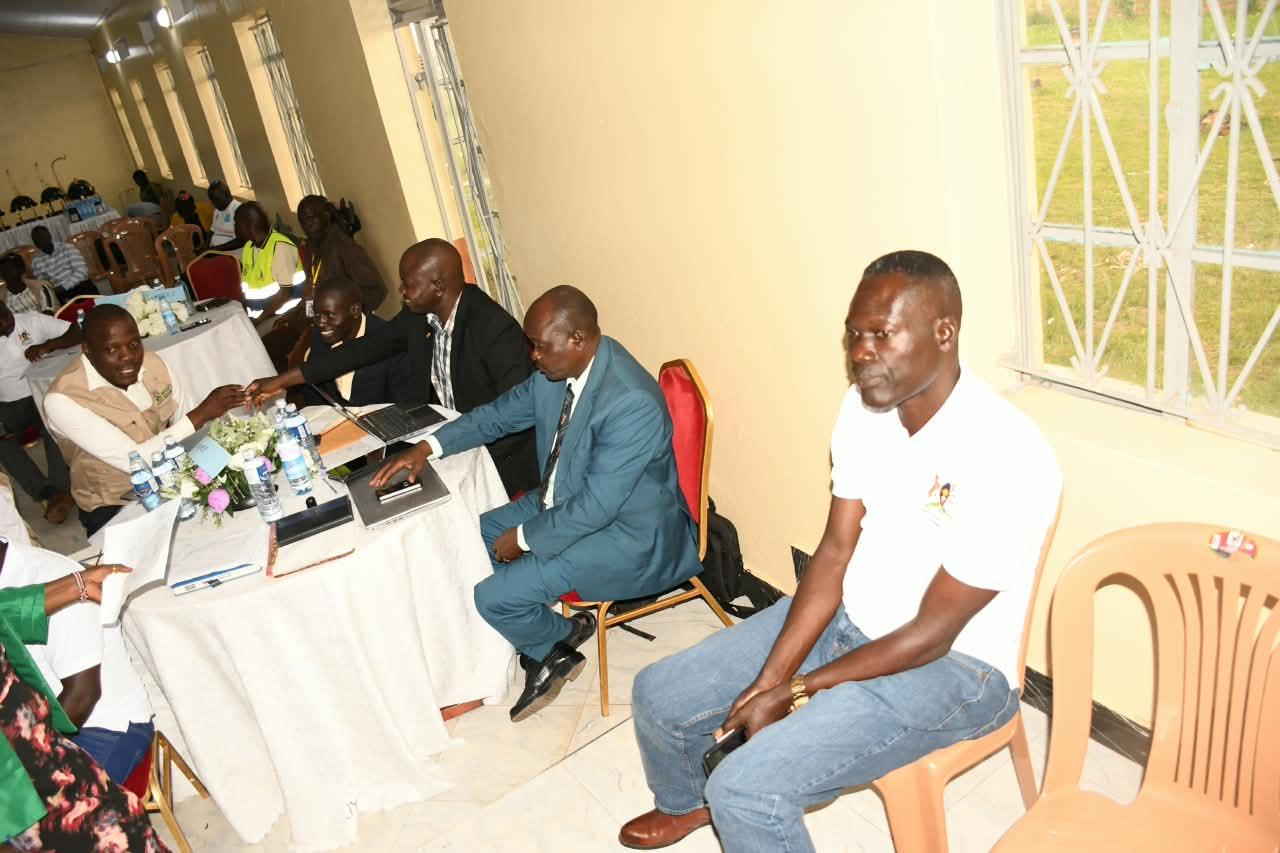
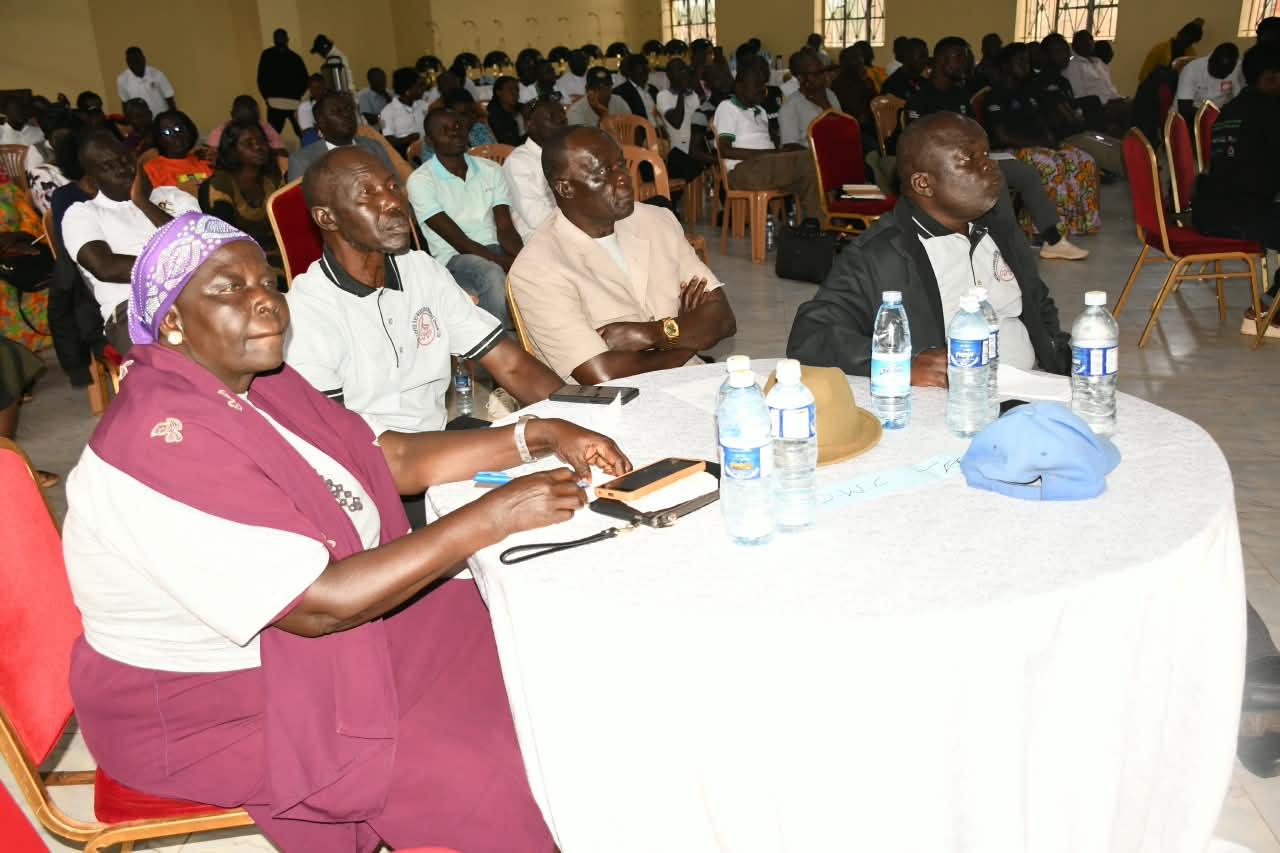 Stakeholders during the Coffee conference at Paidha Cultural center last week.
By Mike Rwothomio | Zoomer Africa