


 About Us
 الشروط
 الخصوصية
 Community Guidelines
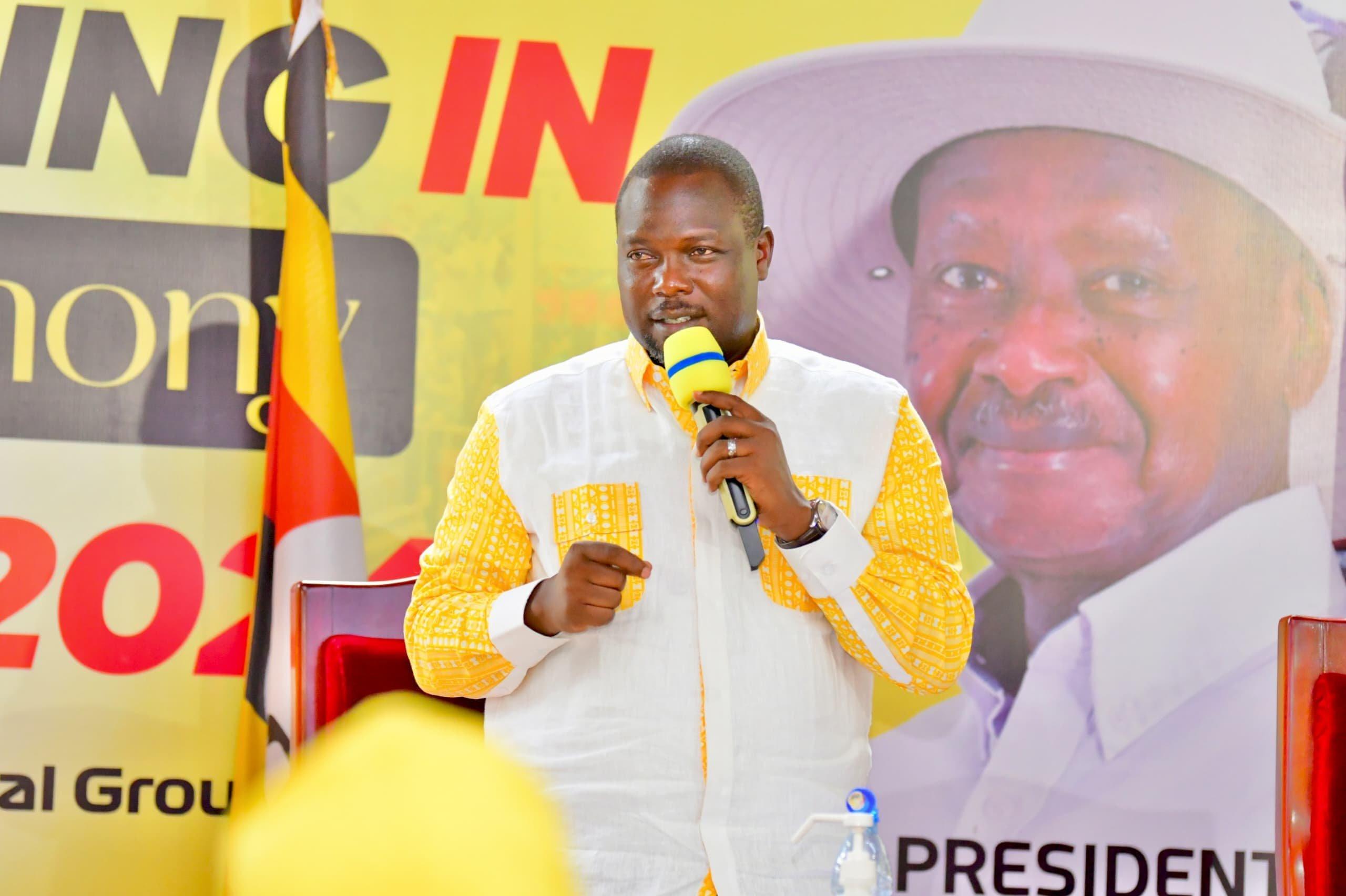
Richard Todwong: A Young Statesman at the Centre of Uganda's Constitutional Transformation
At the age of just 28, Richard Todwong was entrusted with one of the most significant national responsibilities of his generation when he was appointed to serve on the Constitutional Review Commission. His appointment marked the beginning of a distinguished journey in public service and positioned him among the young leaders contributing to a historic chapter in Uganda's constitutional and political development.
Serving on the Commission provided Todwong with the opportunity to participate in some of the country's most consequential constitutional and political deliberations. He was involved in national discussions that contributed to the reintroduction of multi-party politics in Uganda and took part in broader constitutional reform processes, including debates surrounding presidential term limits. These engagements placed him at the heart of critical decisions that continue to influence Uganda's governance and democratic trajectory.
The experience offered him invaluable exposure to the complexities of statecraft, public administration, and constitutional governance. It deepened his understanding of democratic institutions, decentralisation, political representation, and the importance of constitutionalism in fostering national stability and development.
Reflecting on this defining period of his career, Todwong has consistently emphasised that the experience transformed his understanding of leadership and public service. Rather than viewing politics solely as the pursuit of public office, he came to appreciate it as a powerful instrument for institutional development, policy innovation, and national transformation.
"I realised that politics was not merely about holding office. It was about building institutions, shaping ideas, and creating opportunities for people."
This philosophy has remained a guiding principle throughout his political career, reflecting his belief that sustainable national progress depends on strong institutions, visionary leadership, and a commitment to serving the public interest. His early contribution to Uganda's constitutional evolution stands as a testament to the important role that young leaders can play in shaping the future of a nation.

 English
 French
