• Richard Todwong: A Young Statesman at the Centre of Uganda's Constitutional Transformation


    At the age of just 28, Richard Todwong was entrusted with one of the most significant national responsibilities of his generation when he was appointed to serve on the Constitutional Review Commission. His appointment marked the beginning of a distinguished journey in public service and positioned him among the young leaders contributing to a historic chapter in Uganda's constitutional and political development.


    Serving on the Commission provided Todwong with the opportunity to participate in some of the country's most consequential constitutional and political deliberations. He was involved in national discussions that contributed to the reintroduction of multi-party politics in Uganda and took part in broader constitutional reform processes, including debates surrounding presidential term limits. These engagements placed him at the heart of critical decisions that continue to influence Uganda's governance and democratic trajectory.


    The experience offered him invaluable exposure to the complexities of statecraft, public administration, and constitutional governance. It deepened his understanding of democratic institutions, decentralisation, political representation, and the importance of constitutionalism in fostering national stability and development.


    Reflecting on this defining period of his career, Todwong has consistently emphasised that the experience transformed his understanding of leadership and public service. Rather than viewing politics solely as the pursuit of public office, he came to appreciate it as a powerful instrument for institutional development, policy innovation, and national transformation.

    "I realised that politics was not merely about holding office. It was about building institutions, shaping ideas, and creating opportunities for people."

    This philosophy has remained a guiding principle throughout his political career, reflecting his belief that sustainable national progress depends on strong institutions, visionary leadership, and a commitment to serving the public interest. His early contribution to Uganda's constitutional evolution stands as a testament to the important role that young leaders can play in shaping the future of a nation.

    Richard Todwong: A Young Statesman at the Centre of Uganda's Constitutional Transformation At the age of just 28, Richard Todwong was entrusted with one of the most significant national responsibilities of his generation when he was appointed to serve on the Constitutional Review Commission. His appointment marked the beginning of a distinguished journey in public service and positioned him among the young leaders contributing to a historic chapter in Uganda's constitutional and political development. Serving on the Commission provided Todwong with the opportunity to participate in some of the country's most consequential constitutional and political deliberations. He was involved in national discussions that contributed to the reintroduction of multi-party politics in Uganda and took part in broader constitutional reform processes, including debates surrounding presidential term limits. These engagements placed him at the heart of critical decisions that continue to influence Uganda's governance and democratic trajectory. The experience offered him invaluable exposure to the complexities of statecraft, public administration, and constitutional governance. It deepened his understanding of democratic institutions, decentralisation, political representation, and the importance of constitutionalism in fostering national stability and development. Reflecting on this defining period of his career, Todwong has consistently emphasised that the experience transformed his understanding of leadership and public service. Rather than viewing politics solely as the pursuit of public office, he came to appreciate it as a powerful instrument for institutional development, policy innovation, and national transformation. "I realised that politics was not merely about holding office. It was about building institutions, shaping ideas, and creating opportunities for people."This philosophy has remained a guiding principle throughout his political career, reflecting his belief that sustainable national progress depends on strong institutions, visionary leadership, and a commitment to serving the public interest. His early contribution to Uganda's constitutional evolution stands as a testament to the important role that young leaders can play in shaping the future of a nation.
    0 Comments 0 Shares 2K Views 0 Reviews

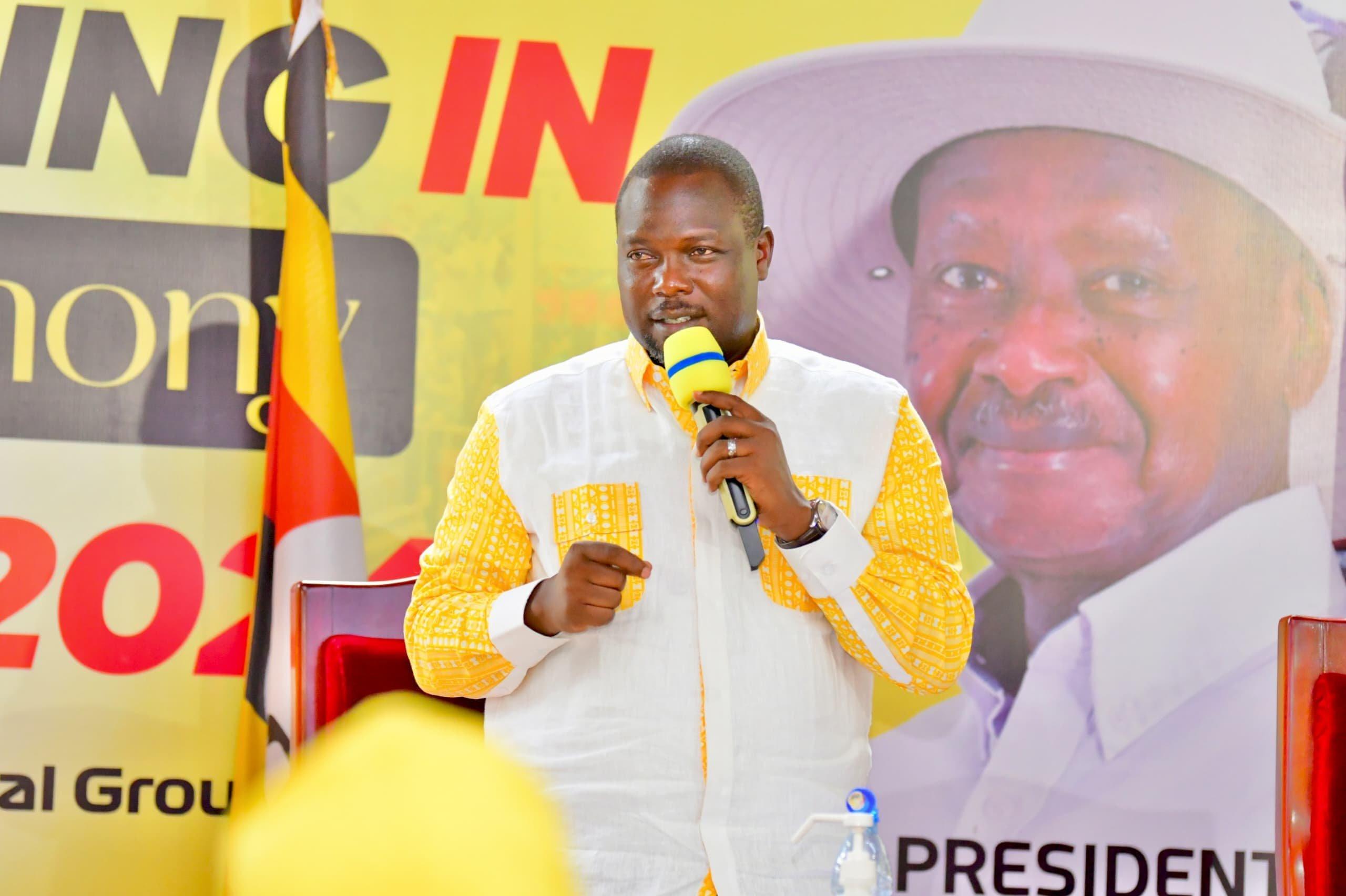
  • NRM Secretary General Todwong Calls on Returnees from South Africa to Embrace Ideological Transformation


    The Secretary General of the National Resistance Movement (NRM), Rt. Hon. Richard Todwong, has called upon Ugandans returning from South Africa to embrace a renewed and positive mindset through ideological training at the National Leadership Institute (NALI) in Kyankwanzi.


    Speaking to the returnees, Todwong emphasized that Uganda's development depends not only on economic opportunities but also on citizens who are grounded in patriotism, discipline, nationalism, and selfless service. He noted that the ideological orientation offered at Kyankwanzi equips Ugandans with the values and knowledge needed to actively contribute to national transformation.


    He encouraged the returnees to view their homecoming as an opportunity to become agents of positive change within their communities rather than merely seeking personal advancement. According to Todwong, the training nurtures responsible leadership, unity, and a shared commitment to Uganda's social and economic progress.


    The NRM Secretary General further reiterated that ideological education remains a cornerstone of the Movement's vision for building a prosperous, peaceful, and self-reliant nation. He urged the returnees to take full advantage of the Kyankwanzi programme, describing it as a pathway to cultivating the right mindset for nation-building and sustainable development.


    His remarks reflect the NRM's continued emphasis on ideological orientation as a key instrument for strengthening national cohesion and preparing citizens to participate meaningfully in Uganda's development agenda.

    NRM Secretary General Todwong Calls on Returnees from South Africa to Embrace Ideological Transformation The Secretary General of the National Resistance Movement (NRM), Rt. Hon. Richard Todwong, has called upon Ugandans returning from South Africa to embrace a renewed and positive mindset through ideological training at the National Leadership Institute (NALI) in Kyankwanzi. Speaking to the returnees, Todwong emphasized that Uganda's development depends not only on economic opportunities but also on citizens who are grounded in patriotism, discipline, nationalism, and selfless service. He noted that the ideological orientation offered at Kyankwanzi equips Ugandans with the values and knowledge needed to actively contribute to national transformation. He encouraged the returnees to view their homecoming as an opportunity to become agents of positive change within their communities rather than merely seeking personal advancement. According to Todwong, the training nurtures responsible leadership, unity, and a shared commitment to Uganda's social and economic progress. The NRM Secretary General further reiterated that ideological education remains a cornerstone of the Movement's vision for building a prosperous, peaceful, and self-reliant nation. He urged the returnees to take full advantage of the Kyankwanzi programme, describing it as a pathway to cultivating the right mindset for nation-building and sustainable development. His remarks reflect the NRM's continued emphasis on ideological orientation as a key instrument for strengthening national cohesion and preparing citizens to participate meaningfully in Uganda's development agenda.
    Love
    1
    0 Comments 0 Shares 2K Views 0 Reviews


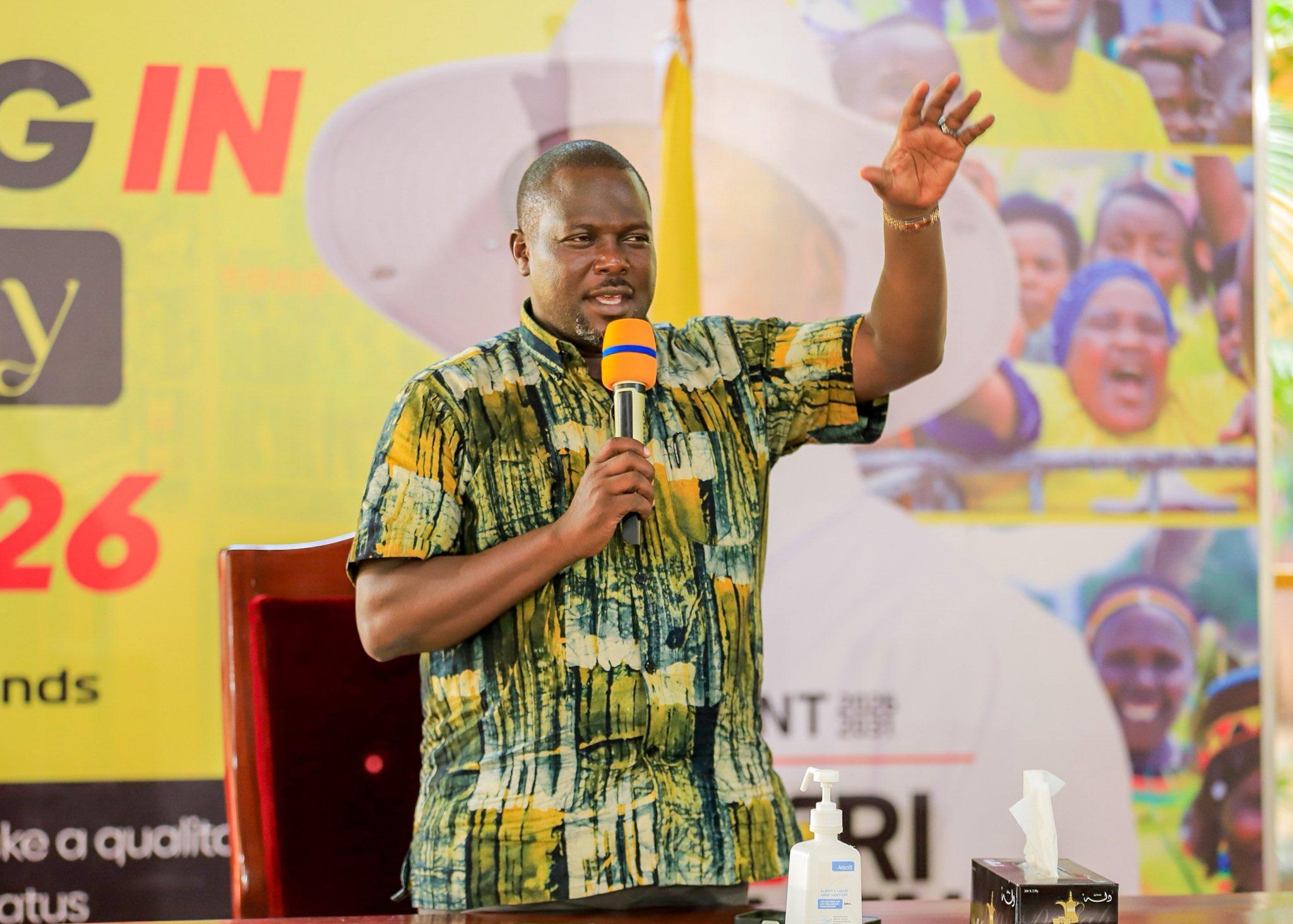
  • Richard Todwong: The Quiet Strategist Steering the NRM's Political Resurgence
    By Staff Writer


    In Uganda's fast-changing political landscape, where public attention is often captured by outspoken politicians, one leader has quietly built his reputation through organisation, discipline, and strategic leadership.


    That leader is Richard Todwong, the Secretary General of the National Resistance Movement (NRM).
    Widely respected as one of the ruling party's most effective political organisers, Todwong has played a pivotal role in rebuilding the NRM's grassroots structures, strengthening internal cohesion, and positioning the party for sustained electoral success.


    His leadership style marked by humility, accessibility, and consensus-building—has earned him recognition both within the party and across Uganda's political spectrum.


    Born in Northern Uganda in 1973, Todwong's early life was shaped by political instability that interrupted his education and tested his family's resilience. Despite these challenges, he pursued higher education at Makerere University, graduating in Economics and Political Science before later obtaining a Master's degree in International Relations and Diplomacy.


    His political career has been rooted in public service and institution-building. After a brief stint at the Uganda Revenue Authority, he joined national constitutional reform efforts, contributing to key debates on governance and Uganda's democratic evolution.


    Todwong entered elective politics in 2011 when he was elected Member of Parliament for Nwoya County. He later served as Minister for Political Mobilisation before rising to become Secretary General of the NRM, where he has focused on strengthening party structures from the village level to the national leadership.


    Political observers credit him with leading one of the party's most comprehensive grassroots mobilisation programmes ahead of the 2026 General Election. The initiative revitalised local party structures, empowered cadres, and reinforced ideological mobilisation, helping restore confidence within the Movement.


    Beyond domestic politics, Todwong has strengthened relations between the NRM and liberation movements across Africa, promoting Pan-African cooperation and ideological partnerships.


    He has also been instrumental in fostering political dialogue through the Inter-Party Organisation for Dialogue (IPOD), encouraging constructive engagement among political actors.


    Despite holding one of the country's most influential political offices, Todwong remains known for his modesty and commitment to service. Colleagues describe him as a patient listener, a skilled consensus-builder, and a leader who believes strong institutions not personalities are the foundation of lasting political success.


    As Uganda's political landscape continues to evolve, Richard Todwong's legacy is increasingly defined not by political theatrics, but by disciplined organisation, grassroots mobilisation, and steadfast commitment to building enduring institutions.

    Richard Todwong: The Quiet Strategist Steering the NRM's Political Resurgence By Staff Writer In Uganda's fast-changing political landscape, where public attention is often captured by outspoken politicians, one leader has quietly built his reputation through organisation, discipline, and strategic leadership. That leader is Richard Todwong, the Secretary General of the National Resistance Movement (NRM). Widely respected as one of the ruling party's most effective political organisers, Todwong has played a pivotal role in rebuilding the NRM's grassroots structures, strengthening internal cohesion, and positioning the party for sustained electoral success. His leadership style marked by humility, accessibility, and consensus-building—has earned him recognition both within the party and across Uganda's political spectrum. Born in Northern Uganda in 1973, Todwong's early life was shaped by political instability that interrupted his education and tested his family's resilience. Despite these challenges, he pursued higher education at Makerere University, graduating in Economics and Political Science before later obtaining a Master's degree in International Relations and Diplomacy. His political career has been rooted in public service and institution-building. After a brief stint at the Uganda Revenue Authority, he joined national constitutional reform efforts, contributing to key debates on governance and Uganda's democratic evolution. Todwong entered elective politics in 2011 when he was elected Member of Parliament for Nwoya County. He later served as Minister for Political Mobilisation before rising to become Secretary General of the NRM, where he has focused on strengthening party structures from the village level to the national leadership. Political observers credit him with leading one of the party's most comprehensive grassroots mobilisation programmes ahead of the 2026 General Election. The initiative revitalised local party structures, empowered cadres, and reinforced ideological mobilisation, helping restore confidence within the Movement. Beyond domestic politics, Todwong has strengthened relations between the NRM and liberation movements across Africa, promoting Pan-African cooperation and ideological partnerships. He has also been instrumental in fostering political dialogue through the Inter-Party Organisation for Dialogue (IPOD), encouraging constructive engagement among political actors. Despite holding one of the country's most influential political offices, Todwong remains known for his modesty and commitment to service. Colleagues describe him as a patient listener, a skilled consensus-builder, and a leader who believes strong institutions not personalities are the foundation of lasting political success. As Uganda's political landscape continues to evolve, Richard Todwong's legacy is increasingly defined not by political theatrics, but by disciplined organisation, grassroots mobilisation, and steadfast commitment to building enduring institutions.

    Love
    1
    0 Comments 0 Shares 3K Views 0 Reviews
  • NRM Secretary General Richard Todwong Opens Historic UAAU City Mayors' Workshop, Urges Stronger Urban Leadership


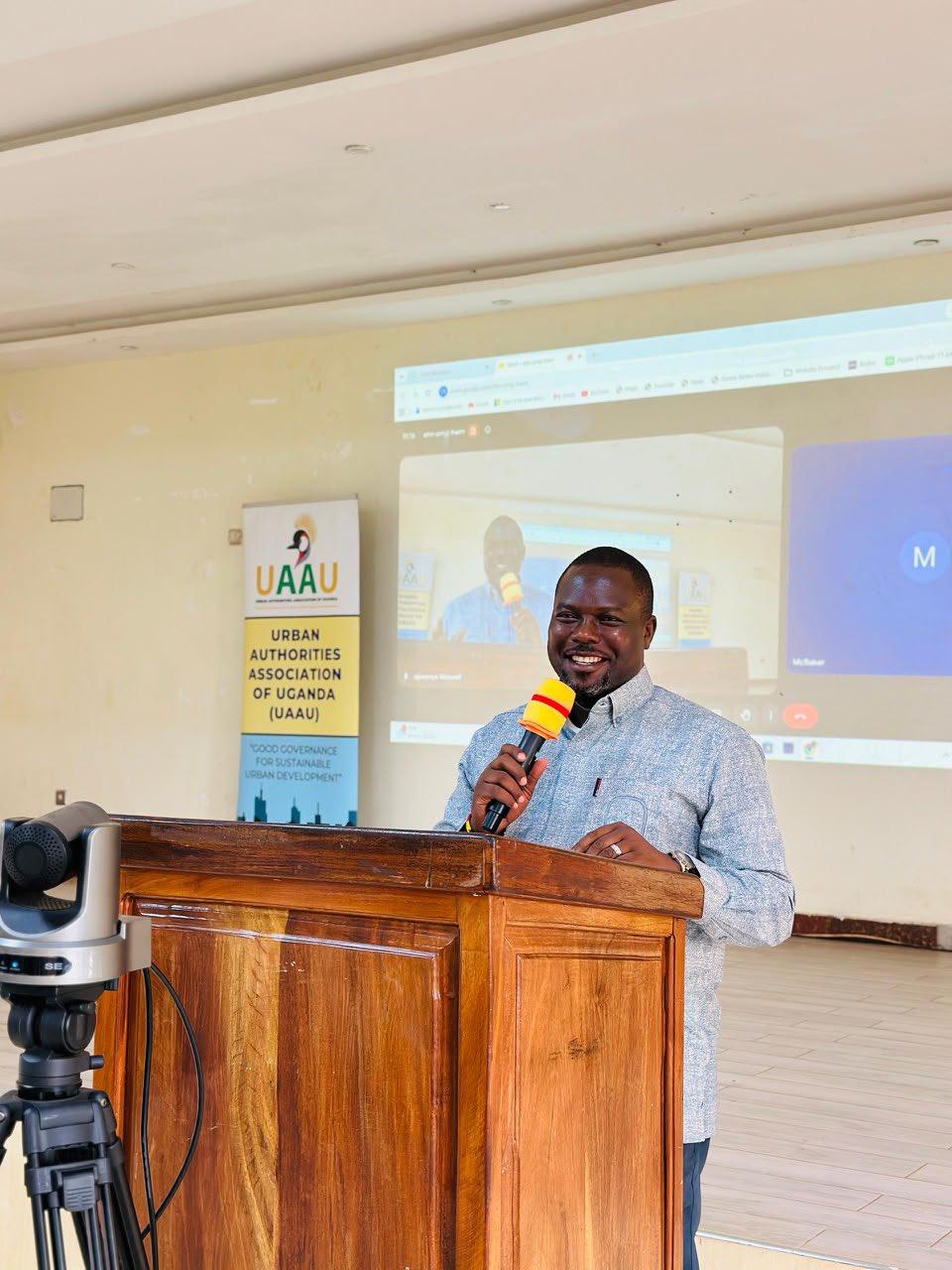
    This morning, the Secretary General of the National Resistance Movement, Richard Todwong, officially inaugurated the maiden Uganda Association of Urban Authorities City Mayors' Workshop in Gulu City.


    The landmark gathering brought together mayors from all ten cities across Uganda to deliberate on strategies for strengthening urban governance and accelerating sustainable development.
    In his keynote address, Rt. Hon. Todwong applauded the city mayors for their visionary leadership, commitment to service delivery, and the strong spirit of collaboration they have cultivated among themselves and with their respective technical teams.
    He noted that such unity is essential for delivering effective, people-centered governance.


    The Secretary General further challenged the mayors to intensify efforts in tackling the pressing challenges facing Uganda's urban centres, including crime prevention, poverty eradication, environmental conservation, and sustainable urban planning. He emphasized that responsive, accountable, and inclusive leadership remains critical to improving the livelihoods and overall well-being of all Ugandans.


    The workshop marks an important milestone in promoting cooperation among Uganda's city leaders and reaffirming their shared commitment to building safer, cleaner, more resilient, and prosperous urban communities.
    NRM Secretary General Richard Todwong Opens Historic UAAU City Mayors' Workshop, Urges Stronger Urban Leadership This morning, the Secretary General of the National Resistance Movement, Richard Todwong, officially inaugurated the maiden Uganda Association of Urban Authorities City Mayors' Workshop in Gulu City. The landmark gathering brought together mayors from all ten cities across Uganda to deliberate on strategies for strengthening urban governance and accelerating sustainable development. In his keynote address, Rt. Hon. Todwong applauded the city mayors for their visionary leadership, commitment to service delivery, and the strong spirit of collaboration they have cultivated among themselves and with their respective technical teams. He noted that such unity is essential for delivering effective, people-centered governance. The Secretary General further challenged the mayors to intensify efforts in tackling the pressing challenges facing Uganda's urban centres, including crime prevention, poverty eradication, environmental conservation, and sustainable urban planning. He emphasized that responsive, accountable, and inclusive leadership remains critical to improving the livelihoods and overall well-being of all Ugandans. The workshop marks an important milestone in promoting cooperation among Uganda's city leaders and reaffirming their shared commitment to building safer, cleaner, more resilient, and prosperous urban communities.
    Love
    Wow
    2
    1 Comments 0 Shares 2K Views 0 Reviews
Zoomer Africa https://zoomer.africa