


 About Us
 Terms
Terms
 Privacy
 Community Guidelines
Concerns mount over Health Impacts from Dumping Site in Paidha
By Brenda Acen
Residents have voiced urgent concerns about the escalating environmental degradation and public health risks posed by the Paidha town council -owned dumping site at Maliri village.
According to residents and local leaders, the poorly managed dumpsite has led to widespread pollution, including improper waste containment, offensive odors, vector proliferation, and contamination of local water resources, prompting calls for immediate intervention to safeguard the community's right to a clean and healthy environment as enshrined in Article 39 of Uganda's 1995 Constitution and reinforced by the National Environment Act.
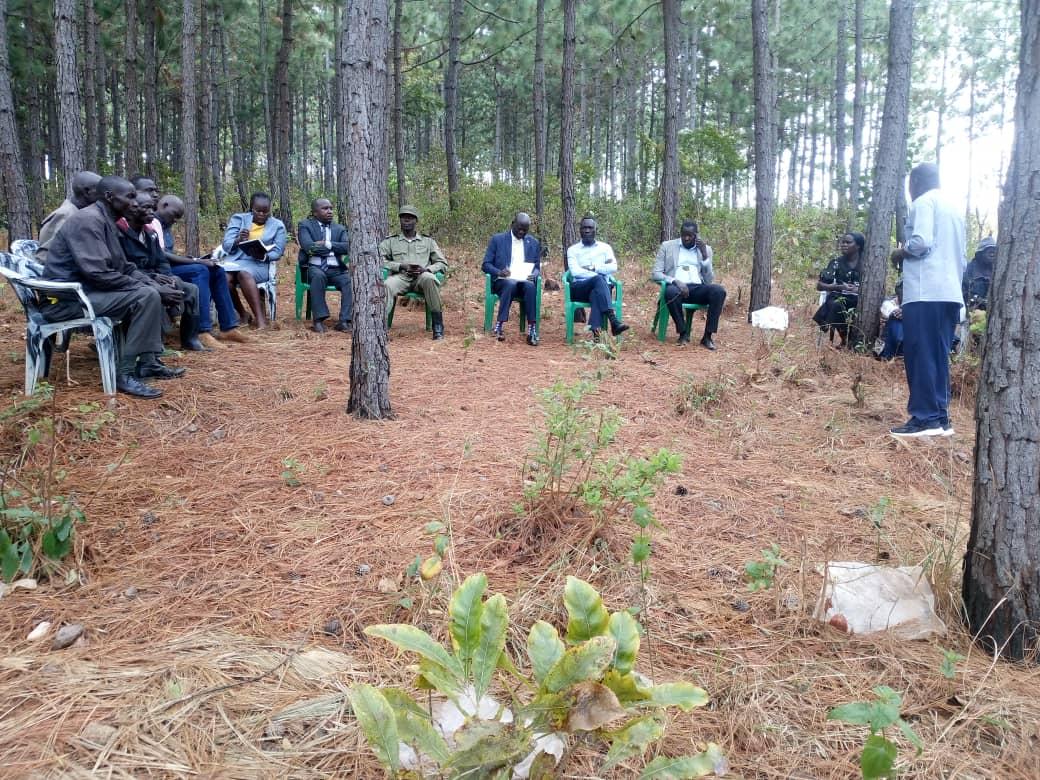
This was during a stakeholder engagement meeting held on Monday at the facility.
LC I Chairperson Gilbert Ocamringa, described how mismanaged disposal has caused broken glass bottles and other debris to spill onto adjacent roads, while pervasive stench from decomposing waste permeates homes meters away, attracting “disease-carrying flies”, raising risks of vector-borne illnesses and respiratory issues.
Ocamringa criticized the absence of an environmental impact assessment prior to the site's establishment, citing incidents where “children and adults scavenged and consumed contents from discarded cartons of expired liquor, posing acute poisoning hazards”
LC II representative John Onegiu noted that unrestricted access allows children to forage through the waste, retrieving items and bringing them home, increasing exposure to hazardous materials.
Community member Phinehas Yik pointed to seasonal surface runoff during rains, which carries leachate and pollutants into the nearby Maliri River in the valley below.
Resident Ilford Ongeyuwun reported the grim discovery of an infant's decomposing body at the site, which generated intense odors affecting numerous households. He further described how lightweight plastics, including polythene bags, are frequently wind-dispersed onto neighboring farmlands, while broken glass litters roads, endangering pedestrians, motorists, and livestock.
Ongeyuwun added that waste heaps, occasionally mixed with human excreta, have encroached beyond the original acquired boundaries, invading adjacent private land.
Fiona Anirwoth, a local mother, reported persistent fly infestations disrupting food preparation and contributing to observed poor health among children.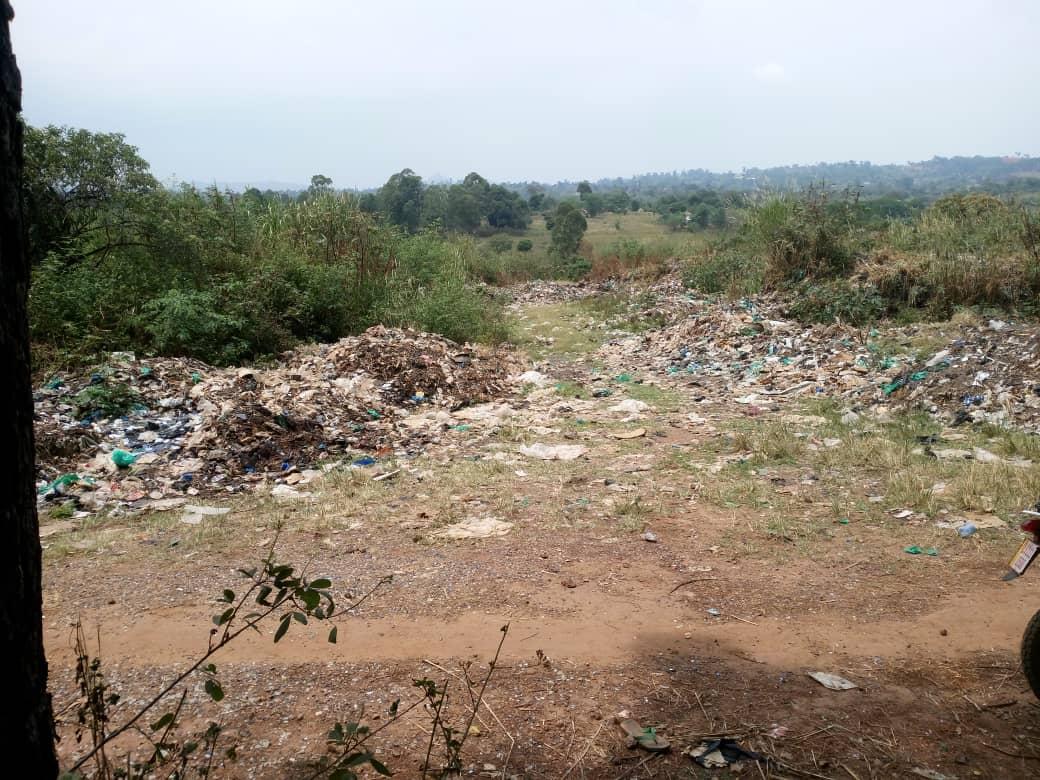
District Speaker and resident Hassan Ringtho described the situation as a grave consequence of lax solid waste management and absent routine health and environmental inspections.
Leaders speak out
Town Clerk Esmond Odota acknowledged the community's timely appeal amid district planning processes and committed to studying best practices from other Ugandan urban centers facing similar municipal solid waste challenges. He admitted limited recent oversight of the site and cited financial constraints this year preventing soil cover operations via bulldozers, a past mitigation measure to minimize odor, leachate, and litter dispersal.
LC III Chairperson Innocent Godfrey Onega commended the residents' proactive stance in averting potential outbreaks of waterborne diseases such as cholera and dysentery.
Referencing the catastrophic August 2024 Kiteezi landfill landslide in Kampala, which claimed over 35 lives, displaced hundreds, and underscored the dangers of overcapacity, unregulated dumps, he urged proper waste segregation by decomposition rate to enable future composting amid rapid urbanization.
Zombo District Environment Officer Martin Owor emphasized that the dumpsite's operations are clearly compromising the constitutional right to a clean and healthy environment, violating statutory obligations to prevent pollution and degradation.
District Resident Commissioner Festus Ayikobua condemned reckless offloading practices that leave waste at boundaries rather than deeper within the site. He recommended strict enforcement of environmental regulations, community sensitization on waste minimization, reduction, reuse, and recycling, alongside immediate temporary measures and long-term planning.
Community proposals include expanding and fencing the site to contain growing council’s waste volumes driven by urban expansion, establishing a properly engineered sanitary landfill as a sustainable precaution.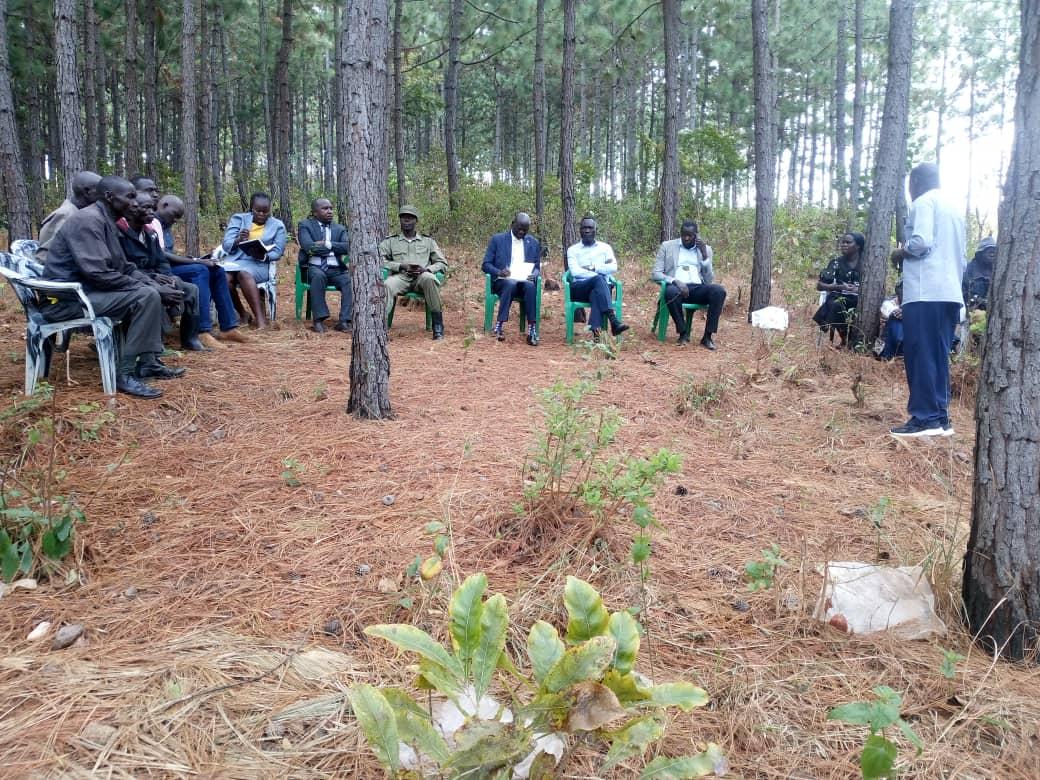
Leaders and locals convened a meeting to address the crisis on Monday
Edited by Bob Patrick Oweka, Zoomer Africa, your number one grassroot information hub

 Arabic
 French
