


 About Us
 Conditions générale de vente
 Confidentialité
 Community Guidelines
The Future of Uganda: When Power Centralization Risks Public Trust

By Zoomer Africa’s Opinion
Uganda stands at a critical crossroads. As the nation continues to grow socially, politically, and economically, one underlying concern is becoming increasingly visible: the centralization of power within government institutions and its ripple effects across all sectors of society.
In Uganda today, government influence stretches deeply into nearly every aspect of public life—from health and education to business and media. While strong governance is essential for national stability, over-concentration of authority can unintentionally weaken the very systems it aims to support.
A System Under Strain
Across key sectors, there are growing concerns about limited autonomy. Public institutions that should ideally operate with a degree of independence often find themselves constrained by bureaucratic control. This has led to:
- Slower decision-making processes
- Reduced innovation and initiative
- Increased dependence on central authorities
When institutions lack the power to make timely and effective decisions, service delivery suffers. Schools struggle to adapt, hospitals face operational inefficiencies, and local governments are often unable to respond swiftly to community needs.
A Defining Moment: Trust vs Control
A striking example of this growing disconnect was highlighted by opposition figure Bobi Wine, who once stated after a period of evading arrest that authorities failed to locate him because ordinary people and informal networks protected him. Whether one agrees with his politics or not, the implication is profound: when citizens choose to trust each other over state institutions, it signals a deeper crisis.
This is not merely about politics—it is about confidence in systems meant to serve the public. When institutions lose credibility, people begin to rely on alternative structures for protection, justice, and survival.
The Everyday Reality for Citizens
For many Ugandans, this erosion of trust is not theoretical—it is lived experience.
Education: Despite policies promoting free education, many parents continue to bear heavy financial burdens through hidden or unofficial school fees.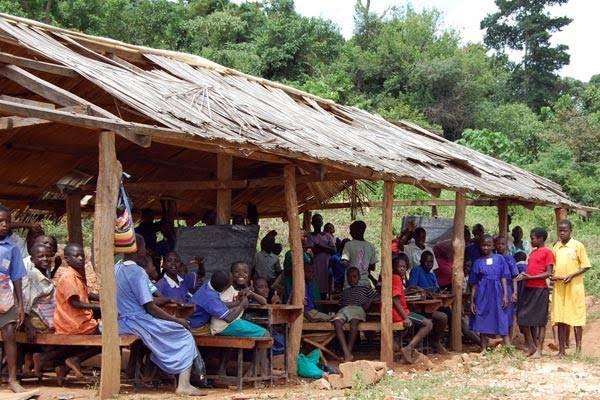
Image showing pupils at funded government school in Uganda Getty images
Healthcare: Billions are allocated to public health, yet local health centers often lack essential drugs, equipment, and personnel, leaving ordinary citizens without adequate care.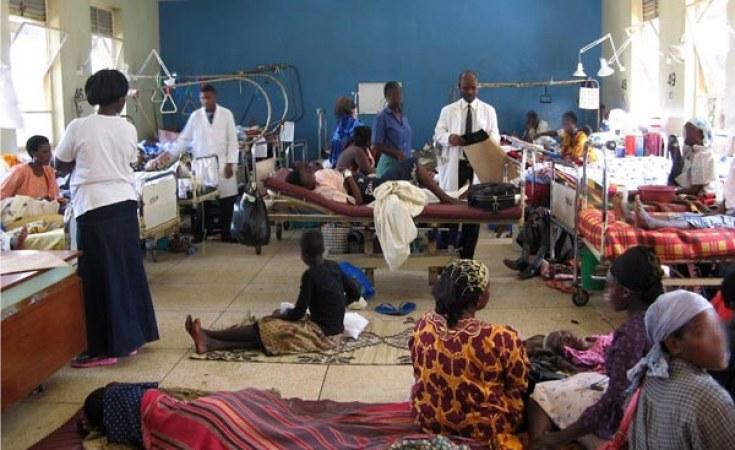
Image showing patient at government funded hospital in Uganda Getty images
Justice System: Courts and legal processes are increasingly perceived by some as influenced by connections or financial power, raising concerns about fairness and equality before the law.
These realities create a dangerous perception: that public systems are not designed to serve everyone equally, but rather those with access, influence, or resources.
The Risk of a Nation Divided by Distrust
When citizens begin to lose faith in institutions, the consequences can be far-reaching:
- People disengage from public systems
- Informal and parallel systems emerge
- National unity weakens as individuals prioritize personal survival over collective progress
A country cannot thrive when its people feel alienated from its structures. Trust is the foundation upon which stable societies are built—and once broken, it is difficult to restore.
The Case for Empowerment and Reform
For Uganda to secure a stronger and more inclusive future, there must be a deliberate shift toward empowering institutions rather than controlling them.
This includes:
- Granting real autonomy to public institutions
- Ensuring transparency in resource allocation
- Strengthening accountability mechanisms across all sectors
Decentralization and institutional independence are not threats to government—they are essential pillars of a functioning democracy and sustainable development.
A Future Built on Trust, Not Fear
The lesson for every Ugandan is clear: when institutions fail to earn trust, people will create their own systems of survival. But a nation cannot rely on informal structures alone—it needs strong, credible, and independent institutions that serve all citizens equally.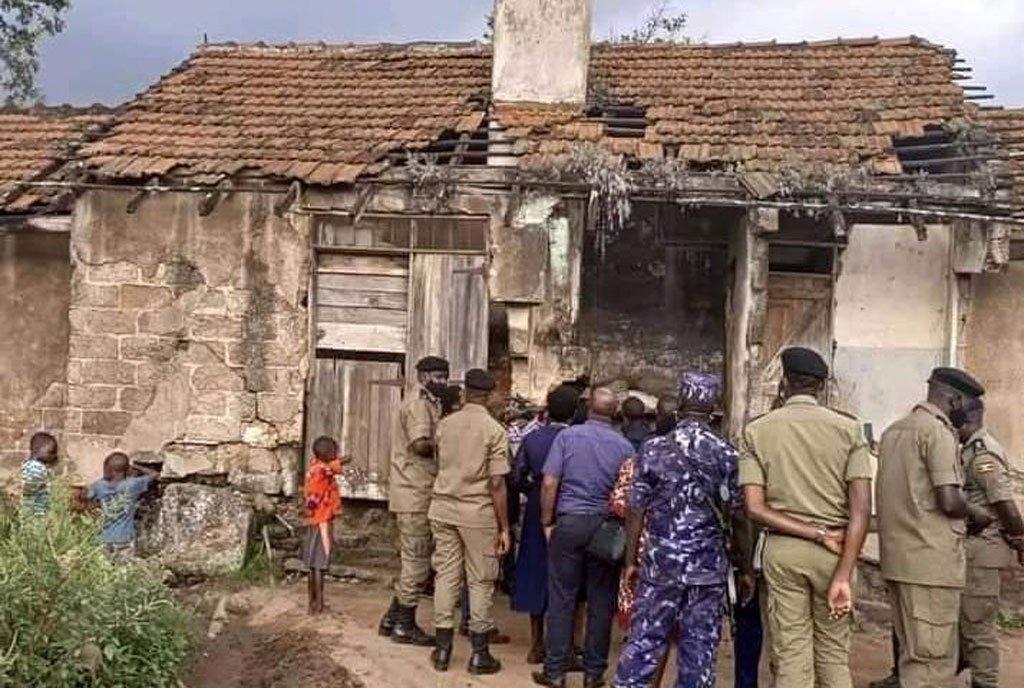
Image showing government institutions at police department in Uganda's public sector
Uganda’s future must be built on restoring confidence in its systems. This means ensuring that “free” services are truly accessible, that justice is blind to status, and that public resources benefit the many, not the few.
Only then can Uganda move toward a future where government is not seen as everything—but as a trusted partner in the progress and prosperity of its people.
The writer is Theologian at Harvard University and independent political analyst.




 English
 Arabic
