


 About Us
 Conditions générale de vente
 Confidentialité
 Community Guidelines
Aringa Kingdom to Submit Memorandum to President Museveni Seeking Gazettement, Compensation
By Mike Rwothomio
Leaders of the Aringa Kingdom in Yumbe District are preparing to submit a memorandum to President Yoweri Kaguta Museveni seeking government intervention on cultural recognition, post-war recovery, education, infrastructure and economic development in the Aringa region.
The memorandum, signed by Aringa Kingdom Prime Minister Lemeriga Fadhil Kujo, outlines the historical background of the Aringa people, tracing the kingdom’s origins, cultural lineage and leadership succession up to the current monarch, His Highness Ingamule Adnan Doka Charaka III.
The document also details the revival of the kingdom under the 2011 Institution of Traditional or Cultural Leaders Act and subsequent ratification by 11 out of 13 sub-county councils before recognition by Yumbe District Council in 2019.
In the memorandum, the Kingdom is seeking expedited government gazettement of Aringa Kingdom to enable it operate officially and mobilize its people and resources without impediments.
The leaders further appealed for compensation for loss of lives, livestock and property suffered during insurgencies between 1979 and 2002, arguing that the Aringa community remains among the most affected populations in the country.
The memorandum also requests the expedited demarcation of the Uganda–South Sudan border following recurring cross-border attacks in areas such as Fitina Mbaya and Komorofe.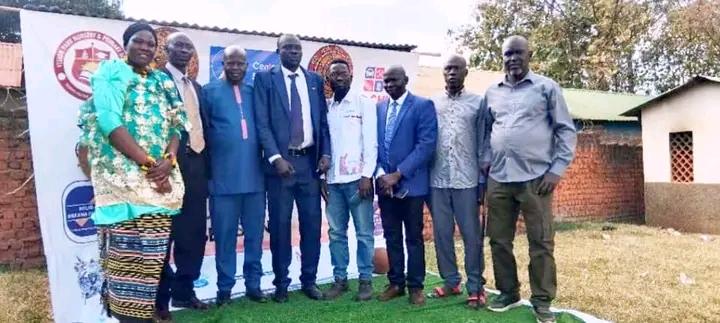
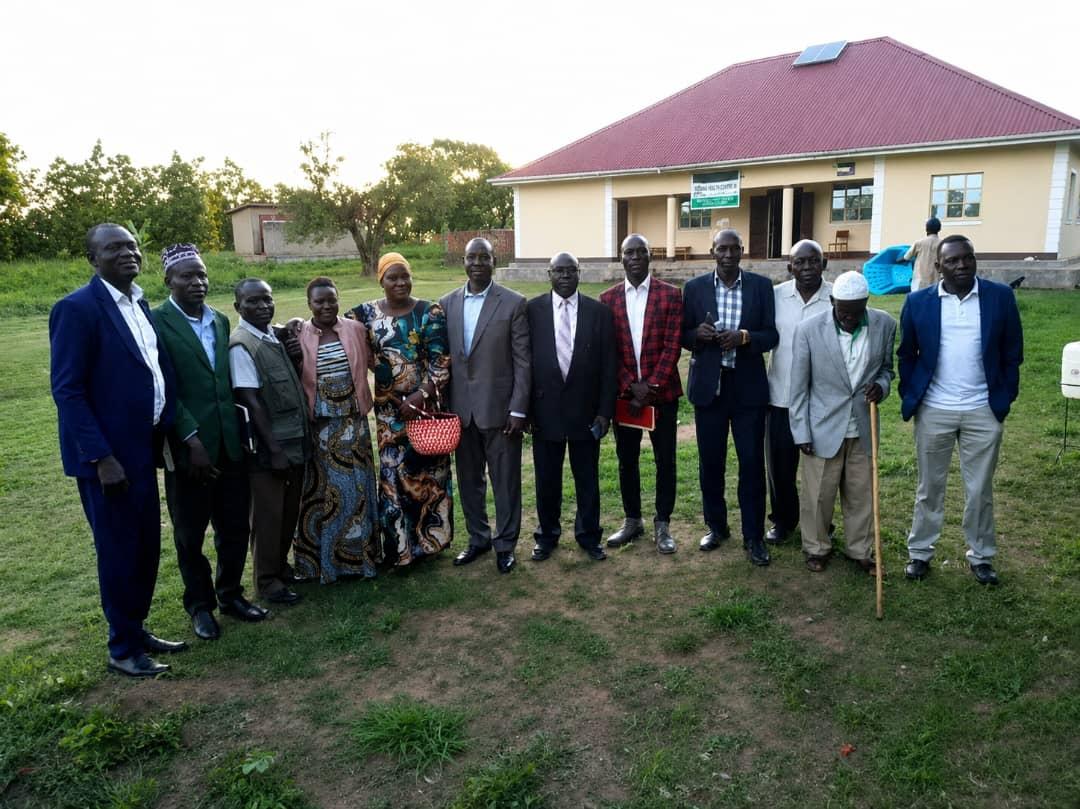
Some of the Kingdom officials
The Kingdom further demands fulfillment of presidential pledges made to the family of late Major General Alli Bamuze, including renovation of the family house, provision of a tractor and truck, scholarships and employment opportunities.
Among other priorities, the Kingdom is seeking the resettlement of indigenous residents displaced from Mt Kei by the National Forestry Authority, creation of Yumbe Municipality and Midigo District, and provision of State House scholarships to Aringa students as affirmative action for years lost during insurgencies.
The memorandum also highlights plans to establish a Muni University campus in Yumbe, cocoa and coffee demonstration farms, an Aringa television station, Aringa FM, a cultural museum and a modern palace at Miri Village in Renda Parish.
The Kingdom additionally pledged support for government programmes including UPE, USE, Parish Development Model and Emyooga through mobilization and cultural sensitization.
The Kingdom further appealed for increased staffing in education and health sectors in Yumbe District, logistical support for cultural leadership operations, compensation for Bidibidi refugee settlement landlords and connection of the royal palace to the national electricity grid.
According to the memorandum, the Kingdom believes the requests will strengthen cultural preservation, improve service delivery and accelerate socio-economic transformation among the Aringa people spread across West Nile, parts of the Democratic Republic of Congo and South Sudan.
Brief History and Background of Aringa Kingdom
The Aringa Kingdom traces its origins to the Aringa ethnic community of West Nile, mainly in present-day Yumbe District, with ancestral links extending to northeastern Congo and South Sudan. The kingdom evolved through spiritual leadership, cultural unity, and defense of communities rather than foreign conquest.
Historically, Aringa became renowned for protecting the weak, defending territory, and establishing a food reserve system known as Kama. The title “Aringa” was associated with King Katria, an influential ruler whose lineage later produced the current monarch. Colonial rule later restricted the kingdom’s administrative expansion and weakened traditional authority.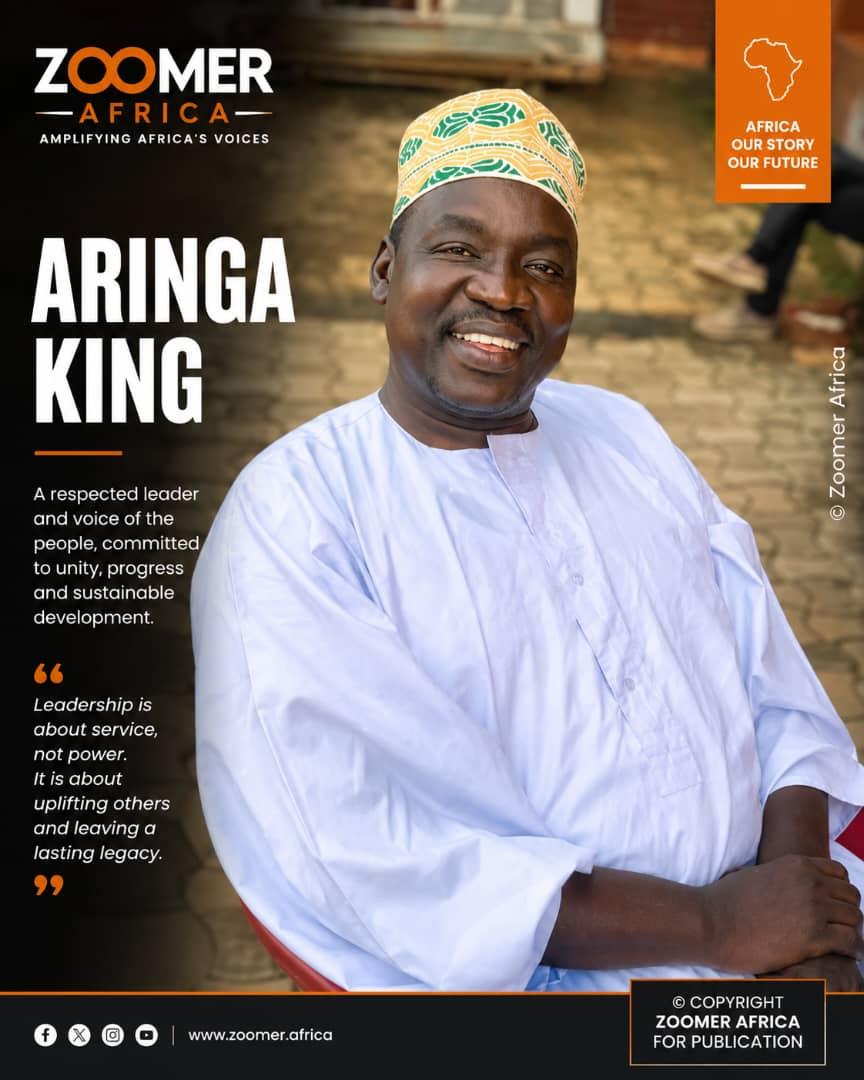
His Highness Ingamule Adnan Doka Charaka III.
The kingdom’s ancestry is linked to the legendary figures Jaki and Weki, regarded as forefathers of several West Nile communities. Through migration, settlement, and alliances, the Aringa people established themselves across Yumbe and neighboring regions. Oral traditions highlight Amanga, son of Weki, as a spiritual and agricultural leader whose wisdom and supernatural influence shaped Aringa identity and settlement.
During the colonial era, Aringa leaders interacted with Belgian, British, and Arab forces, experiencing forced labor, slavery, and displacement. King Katria and later King Noah Charaka became symbols of resistance, leadership, and unity. The kingdom also played a role in the spread of Islam and local governance in the region.
Following the enactment of Uganda’s cultural institutions law in 2011, the kingdom was revived in 2014. After the death of King Hussein Noah Charaka in 2016, His Highness Adnan Ingamule Doka Charaka III was installed as the current king.
The kingdom today promotes cultural preservation, education, agriculture, youth empowerment, and development initiatives for the Aringa people.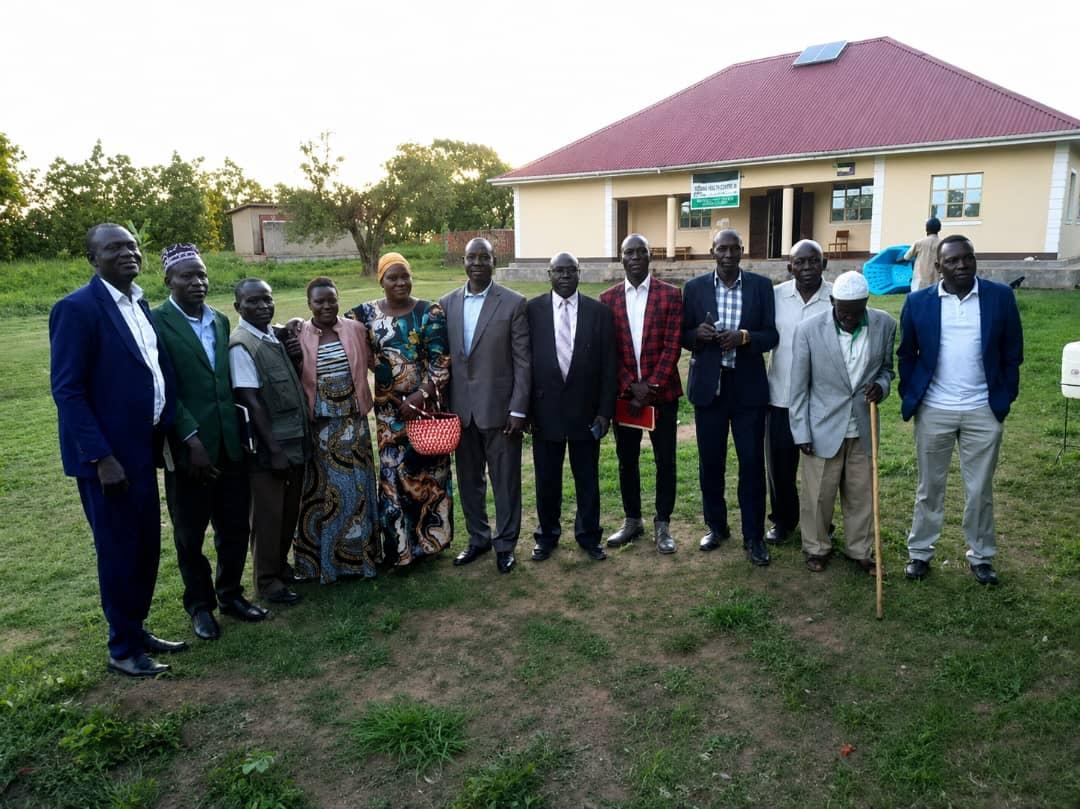
Aringa king posed for a photo with his cabinet ministers
Mike Rwothomio is the News Editor at Zoomer Africa, your trusted grassroots information hub for African stories, voices, and updates.


 English
 Arabic
