


 About Us
 الشروط
 الخصوصية
 Community Guidelines
Alur Kingdom Lobbies for Additional Ebola Treatment Unit in DR Congo’s Mahagi Territory
By Mike Rwothomio
The Alur Kingdom has called for the establishment of an additional Ebola treatment centre in the Democratic Republic of Congo (DRC), specifically in Mahagi Territory, to strengthen cross-border outbreak response capacity.
The appeal was made on Thursday during a West Nile stakeholders’ meeting on Ebola and other priority public health challenges held at Muni University, Arua.
The meeting was convened by Uganda’s Minister of State for Primary Health Care, Hon. Dr. Charles Ayume.
Representing Alur King His Royal Majesty Ubimu Phillip Olarker Rauni III, Jadipu (Prime Minister) of Ker Alur, Prince Lawrence Opar Angala, alongside Ker Alur Minister of Health Dr. Amos Nyathirombo, participated in the high-level engagement. Attendees included Members of Parliament from the West Nile region, Resident District Commissioners, Local Council V Chairpersons, District Health Officers, and development partners.
Dr. Amos Nyathirombo, the Alur Kingdom Minister of Health, specifically urged the establishment of a new Ebola Treatment Unit (ETU) in Mahagi, complementary to the existing facility in Aru.
According to Dr. Nyathirombo, the intervention aims to " improve case management and isolation capacity on the DRC side of the border."
The epicentre of the current 2026 Ebola outbreak in the Democratic Republic of the Congo is located in Ituri Province, specifically centred around the regional hub and capital city of Bunia as well as nearby health zones such as Mongbwalu and Rwampara.
Uganda’s Ministry of Health has maintained that the risk of Ebola importation remains high due to the ongoing outbreak in the Democratic Republic of Congo.
Surveillance has therefore been intensified at points of entry and in high-risk districts along the border, while health workers continue to screen travellers and engage border communities on Ebola prevention and early reporting.
Alur Kingdom’s border districts of Zombo, Nebbi and Pakwach still stand at higher risk of importation of the disease given the porous nature of the border and shared language, tradition, free movements and culture, among other factors.
Prince Lawrence Opar Angala provided an overview of the Kingdom’s proactive public health interventions following the declaration of the Ebola outbreak by the Government of Uganda.
The Alur Kingdom rapidly activated its Control/Response Team, led by Dr. Amos Nyathirombo. Key interventions included training of traditional chiefs in risk communication and community engagement, as well as multi-channel risk communication campaigns targeting communities via radio, social media and grassroots networks.
The Kingdom also extensively participated in lobbying partners to secure and deliver essential medical supplies and support to health facilities in three Ugandan districts and four DRC health zones (Mahagi, Nyarambe, Rimba and Augmba).
Uganda has also strengthened collaboration with the Democratic Republic of Congo through a memorandum of understanding on cross-border Ebola preparedness and response.
As part of this collaboration, Uganda has supported the establishment of two mobile laboratories and an 80-bed Ebola Treatment Unit in Aru and Kasenyi to enhance surveillance and response efforts across the border.
Prince Angala noted that the Alur population in the DRC significantly exceeds that in Uganda, numbering in the millions. The eight traditional chiefs in the DRC continue to pay cultural allegiance to HRM Ubimu in Uganda, facilitating coordinated cross-border public health action.
He expressed appreciation to the Government of Uganda and partners for their support and called for "sustained collaboration" to monitor and control Ebola transmission, given the porous nature of the West Nile–DRC border where the disease continues to circulate despite its containment in Uganda.
Alur Kingdom, gazetted by the Government of Uganda as the traditional institution of the Nilotic Alur people, continues to play a vital role in cultural preservation while advocating for community development.
The Kingdom, whose population runs into millions, comprises 56 chiefdoms in Uganda and 8 in DR Congo, with many living in the diaspora.
Minister Ayume emphasised the importance of routine screening for Sickle Cell Disease (SCD) and highlighted ongoing government interventions for adolescent and youth health, including expanded immunisation programmes and the HPV vaccine to prevent cervical cancer.
He also announced plans for a specialised cancer hospital in the West Nile region.
Additionally, the Ministry of Health will soon commence training and deployment of Community Health Extension Workers (CHEWs) at parish level to reinforce Village Health Teams (VHTs) in the prevention and control of priority diseases, including tuberculosis, hepatitis, leprosy, HIV and maternal health challenges.
Uganda successfully contained its recent Ebola cases through early detection, effective treatment and strict public health measures.
The Uganda Ebola-free announcement confirmation came after the country discharged its last confirmed Ebola patient on 16 June 2026.The declaration follows the successful completion of all outbreak response measures and confirms that there has been no further transmission of the virus.
The outbreak was declared on 15 May 2026 after infected individuals crossed into Uganda from the Democratic Republic of Congo. In total, 20 people were infected, including 15 Congolese nationals, four Ugandan health workers who contracted the virus while caring for patients, and one driver. Eighteen people recovered, while two sadly succumbed to the disease, resulting in a case fatality rate of about 10 per cent.
The stakeholders reaffirmed the need for continued multi-sectoral coordination to safeguard the health of populations on both sides of the Uganda–DRC border.
The Alur Kingdom’s health department has turned the fight against the Ebola virus through extensive training and building capacity of traditional institutions and cultural leaders to address deep-rooted behavioural and cultural practices that are driving community transmission.
The initiative forms part of His Majesty Ubimu Philip Rauni Olarker III’s consistent strategy in the fight against the Ebola virus as he continues to rally his subjects across 56 chiefdoms in Uganda and 8 in eastern DRC to refrain from hiding individuals with Ebola-like symptoms and has directed traditional chiefs to intensify sensitisation and mobilisation efforts amid rising cases.
From DR Congo, since the outbreak was declared on 15 May, 5,290 people have been infected and 2,516 have died, according to the latest health authority data published on Friday, based on figures from the United Nations.
Of the total confirmed number of cases, 1,152 people have recovered and nearly 840 people remain in isolation or hospitalised. The fatality rate is 47.6 per cent and contact follow-up is 82.9 per cent.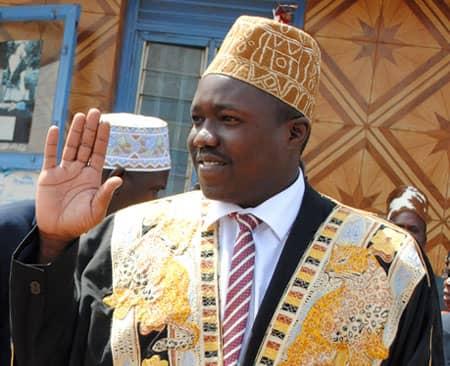
Alur King His Majesty Ubimu Phillip Rauni Ularker III.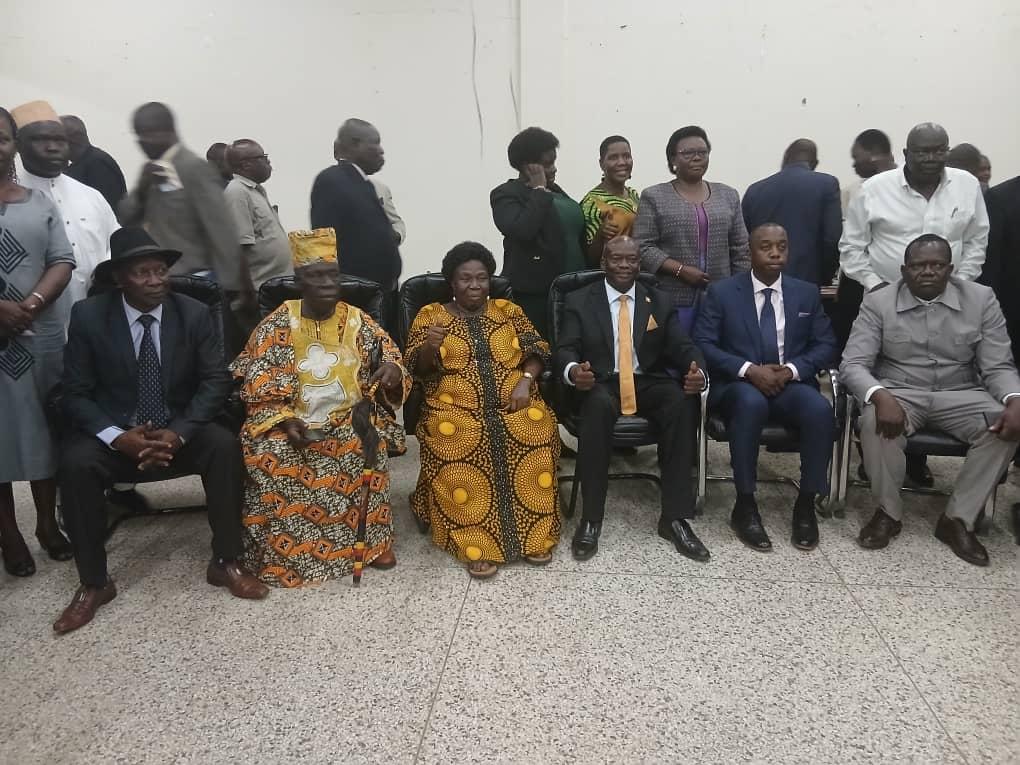
Prime Minister (Jadipu) Prince Lawrence Opar Angala (seated extreme left) who represented the Ubimu HRM Phillip Olarker Rauni III poses for group photo with the chief guest/ Minister of Health for Primary Health Care and stakeholders from all districts of West Nile at the MoH conference on the statuses of ebola and other diseases in the sub-region held on Thursday 20th August 2026 at Muni University in Arua City.
Mike Rwothomio is the news editor at Zoomer Africa your number one grassroot information hub for African news trends and updates


 English
 French
