


 About Us
 الشروط
 الخصوصية
 Community Guidelines
Alur Kingdom resolves Acer Chiefdom leadership intrigue, sets 4 September for enstoolment of Thowarac Samuel Cimvor
By Mike Rwothomio
The Alur Kingdom, under the spiritual and traditional authority of His Royal Majesty Ubimu Phillip Olarker Rauni III, has resolved a long-standing leadership dispute in Acer Chiefdom and confirmed 4 September 2026 as the date for the enstoolment of traditional chief Thowarac Samuel Cimvor.
The ceremony will take place at Kaal Lengi Acer in Ndhew Sub-County, carved from the former Erussi, Nebbi District.
It follows an invitation letter dated 19 August 2026, delivered to the Ubimu at Kaal Atyak Winam in Zombo District by Acer Chiefdom’s Minister of Culture, Mr Ovoya John.
The letter requests that the Jadipu (Prime Minister), Prince Lawrence Opar Angala, preside over the cultural rites on behalf of Kaal Atyak Winam, while seeking the Ubimu’s traditional blessing in keeping with Alur royal custom.
Acer Chiefdom unites the distinct Kwai Acer pa Malanga clans, namely Acer (Kwai Odero), Palyech (Kwai Lyech), Padolo (Kwai Kalanja), Pagwinya (Kwai Gwinya), Payera (Kwai Olwiny), Pangere (Kwai Oyiro), and Pacaka.
Each sub-clan is headed by a Jago, who pledges allegiance to the Chief of Acer Chiefdom.The Chief, in turn, pledges allegiance to the Alur Kingdom, headed by His Majesty Ubimu Phillip Rauni Ularker III.
Prince Lawrence Opar Angala, Prime Minister (Jadipu) of Alur Kingdom said the installation of Thowarac Samuel Cimvor marks a landmark for the unification of Kwai Acer members scattered across Uganda and the Democratic Republic of the Congo.
He added that it formally ends the hard-fought leadership contest between chief-elect Thowarac Samuel Cimvor and Prince Odongo Morris, both of Acer Owilo.
The dispute, which had pitted Acer Owilo against Acer Omoyo, was conclusively settled in 2025 by the Ker Alur Council of Chiefs through the Alur Traditional Justice System as an Alternative Dispute Resolution mechanism, in favour of Thowarac.
The ceremony is expected to draw Kwai Acer clan members, the Ker Alur Council of Chiefs, and political and religious leaders from both Uganda and the DRC. It will enable Acer Chiefdom’s official registration as a member of the Ker Alur Council of Chiefs and allow clan members to formally recognize the new leadership while reaffirming their commitment to collective development and the well-being of the wider membership.
Speaking at Kaal Atyak Winam Palace after delivering the invitation, Minister of Culture Ovoya John confirmed that all arrangements are in place. He urged Kwai Acer leaderships to mobilize their people for the historic occasion, which will position the chiefdom to plan strategically and harness its human and natural resources for the benefit of members.
This resolution forms part of the Alur Kingdom’s ongoing efforts to streamline its network of cultural institutions and chiefdoms.
Under Ubimu Phillip Olarker Rauni III, the kingdom has increasingly used traditional mediation and the Council of Chiefs to settle succession disputes, reconcile clan rifts, and formally integrate chiefdoms.
Recent examples include the resolution of a 20-year rift among the 13 sub-clans of Palei and a decade-long succession dispute in Abira Chiefdom. Further successful interventions by the Alur Kingdom include resolving leadership tensions within the Omua Jupa Kago chiefdom in Kango Sub-county, the Alur D’juganda chiefdom in D’jalasiga, Mahagi territory ,Ituri Province, Eastern Democratic Republic of Congo, as well as the Arikpa and Padupa chiefdoms in Zombo District.
All of these conflicts were peacefully settled through traditional ancestral reviews, strategic mediation led by the Jadipu (Prime Minister) and royal council, and the foundational framework of the Alur Traditional Justice System.
According to Jadipu Opar, these steps “strengthen the institutional framework, promote peaceful coexistence, and ensure chiefdoms can operate under recognized leadership within the broader Ker Alur structure.”
The Alur Kingdom is the traditional cultural institution of the Alur people, a Western Nilotic Luo community whose territory spans parts of northwestern Uganda notably Nebbi, Zombo and Pakwach districts in West Nile and northeastern Democratic Republic of the Congo (particularly Mahagi in Ituri Province.
Descended from Luo migrations that reached the region several centuries ago under the ancestral figure of Nyipir, the Alur developed a segmentary system of chiefdoms under the leadership of their King or Ubimu, who holds the Leb Tong (royal spear tip).
The kingdom comprises 64 chiefdoms, 56 in Uganda and eight in the DRC and is noted as one of the few traditional institutions that continued to function during Uganda’s 1966 ban on monarchies.
The Alur Kingdom active involvement in streamlining cultural institutions and chiefdoms stems from its mandate to preserve Alur heritage, resolve intra-clan and inter-chiefdom conflicts through indigenous mechanisms, and foster unity among subjects divided by modern national borders.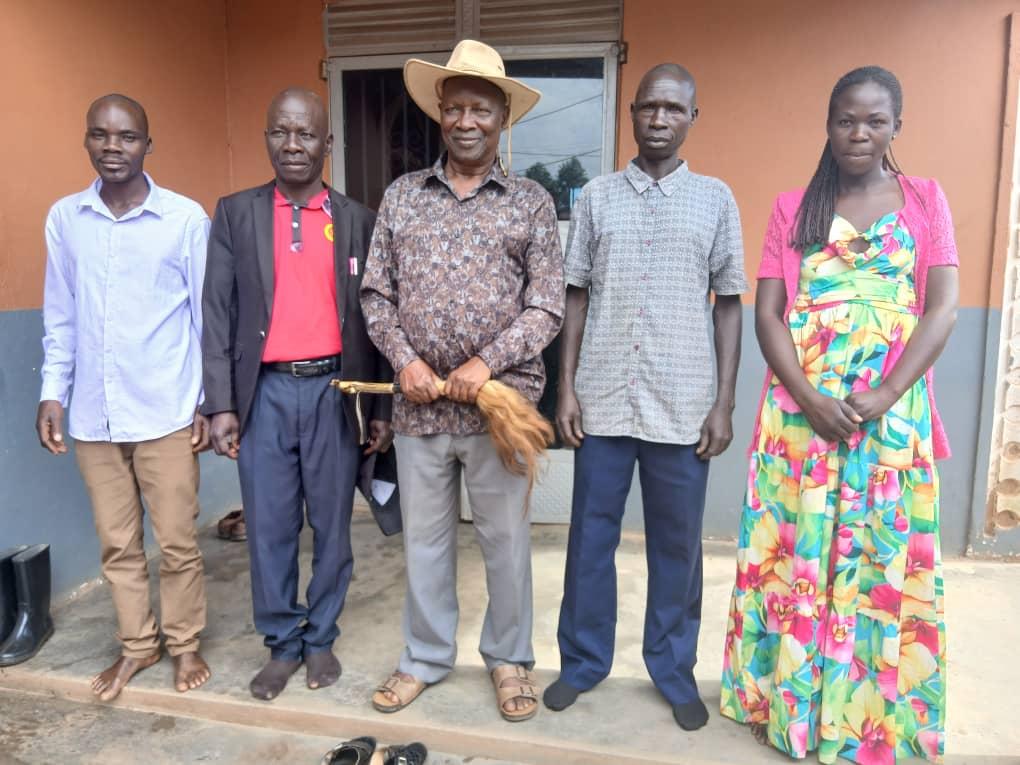
Jadipu Prince Lawrence Opar Angala (holding Fly-whisk) poses for group photo with the Acer Chiefdom Minister of Culture Ovoya John (in red shirt) who delivered the invitation letter and to Kaal Atyak and his office staff in Yamo Trading Centre, Atyak Sub-County in Zombo District.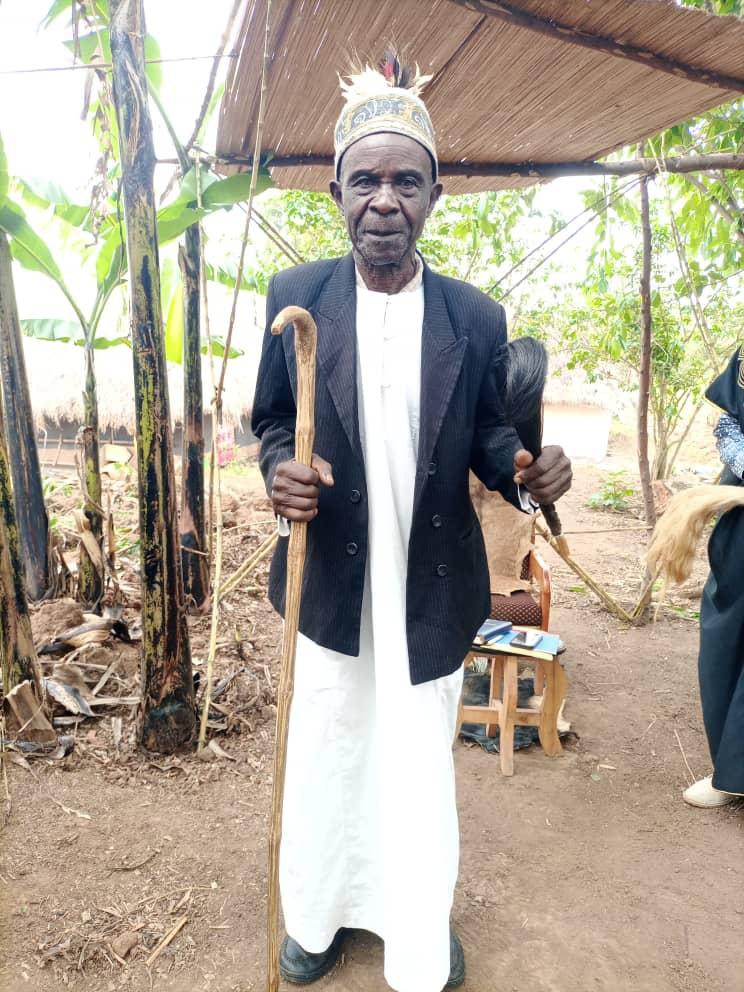
The Acer Chiefdom's incoming traditional leader Thowarac Samuel Cimvor
Mike Rwothomio is news editor at Zoomer Africa your number one grassroot infomation hub for african news, trends and updates.



 English
 French
