
 About Us
 Terms
 Privacy
 Community Guidelines
West Nile Has Lost Its Buses, and Its Pride
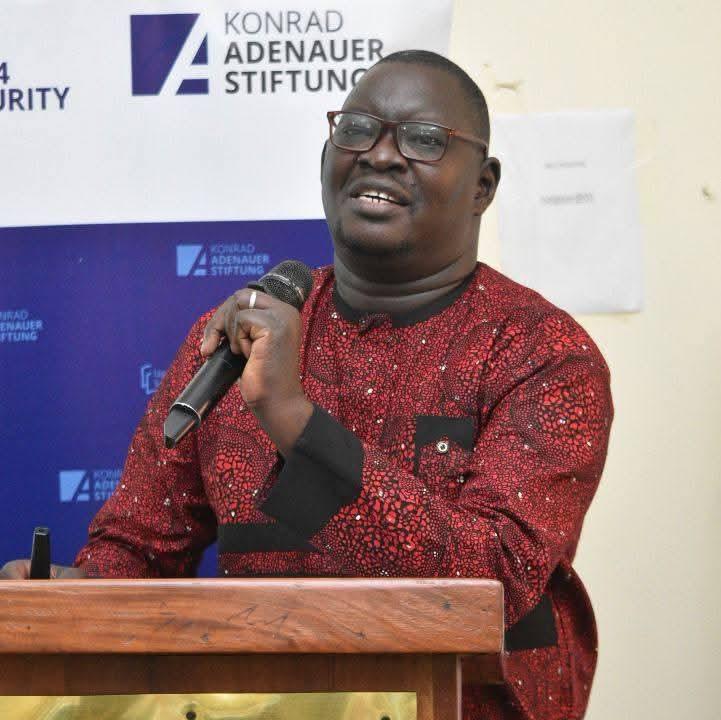
By: Akuma Moses Odims
If you have ever travelled the Arua-Kampala highway at night, you know the sound. The roar of a Gaagaa Bus Services bus climbing out of Karuma, the KK Travelers driver shouting "Kampala, Kampala!" in Arua Park, the familiar colors of a Zawadi Bus Services bus pulling into Nebbi at dawn.
For a West Niler, that sound was not just transport. It was pride. It meant we could build our own.
Today, that sound is fading. Gaagaa Bus Services is gone. KK Travelers is gone. And Zawadi Bus Services - the last of our big local carriers - has packed its fleet. This is not just a business failure. It is a public wound to the economic soul of West Nile.
Transport is not a luxury here. It is the economy.
West Nile is not at the edge of Uganda. We are at the centre of a market that feeds two countries. We border South Sudan and DR Congo. When our buses move, tomatoes from Zombo reach Kampala, traders from Koboko cross to Oraba, students from Moyo get to Makerere, and patients reach better hospitals.
When those buses stop, everything stops.
For decades, these companies did more than move people. They kept our money at home. A Gaagaa Bus Services profit paid school fees in Maracha. A KK Travelers salary built a house in Yumbe. Jobs for drivers, conductors, mechanics, cleaners, and ticket agents - mostly young people - were created right here. Decisions were made in Arua, not in a head office that sees West Nile only as a route to extract profit from.
Now look at what their collapse has cost us:
First, jobs. Hundreds of families are in limbo.
Second, choice. When our companies die, the gap is filled by outsiders whose interest is not development, but extraction. Fares go up, service goes down.
Third, it destroys confidence. No young investor in Arua will put millions into transport after watching Gaagaa Bus Services and KK Travelers die and Zawadi Bus Services park its buses.
And fourth - the most painful - pride. These were _our_ companies. Built by our people. Their failure feels like our failure.
This did not happen because West Nilers cannot manage business. It happened because running a bus company in Uganda today is brutal: expensive loans, punishing fuel prices, spare parts taxed like luxury goods, bad roads that eat tyres, and no safety net when a bus breaks down for a month.
These are solvable problems if we decide to solve them together.
So I make two urgent appeals.
One, to the business community of West Nile.
To the traders in Arua Main Market, the industrialists, the professionals in Kampala who still call West Nile home - this is your moment. We cannot wait for a saviour from outside.
We need to pool capital. Not as charity, but as investment. Let us create a transparent, professionally managed transport investment company - owned by West Nilers - to revive our fleet. Fresh buses, modern management, digital ticketing, trained drivers. Let us own the road again.
This is enlightened self-interest. A revived local transport sector lowers the cost of doing business for every farmer and trader in West Nile. It keeps wealth circulating here. And it tells our children that we can rebuild what is ours.
Two, to the Government of Uganda.
Zawadi Bus Services has not yet died. It has parked. There is a difference, and government can still act.
Zawadi Bus Services is not just another private company. It is a strategic regional asset. When it stops, cross-border trade stutters and border connectivity weakens.
We are not asking for a handout. We are asking for time-bound, accountable support - a soft loan to restructure, a fuel credit facility, a temporary tax relief to get buses back on the road. It will cost government far less to save Zawadi today than to deal with the economic damage of a West Nile without its own carriers tomorrow.
National development cannot be centred only in Kampala. Supporting indigenous operators in a strategic border region is national security, it is regional integration, it is economic justice.
West Nile has never lacked talent or hard work. What we have sometimes lacked is unity of capital and timely public support.
The buses that carried our mothers with their produce, our sisters to university, our brothers to do business in Juba and Bunia - they can roll again. Better, safer, and still ours.
But only if those with the means decide that the pride of West Nile is worth investing in.
We can either sit and watch our transport history fade into old photos, or we can rise as one economic community and write a better chapter.
The road ahead is clear. Will we travel it together?Moses Akuma Odims is the Executive Secretary of the West Nile Development Association (WENDA), a regional body of Local Governments coordinating development efforts across West Nile.


 Arabic
 French
