


 About Us
 Terms
 Privacy
 Community Guidelines
How to Choose the Right Forklift for Your Business
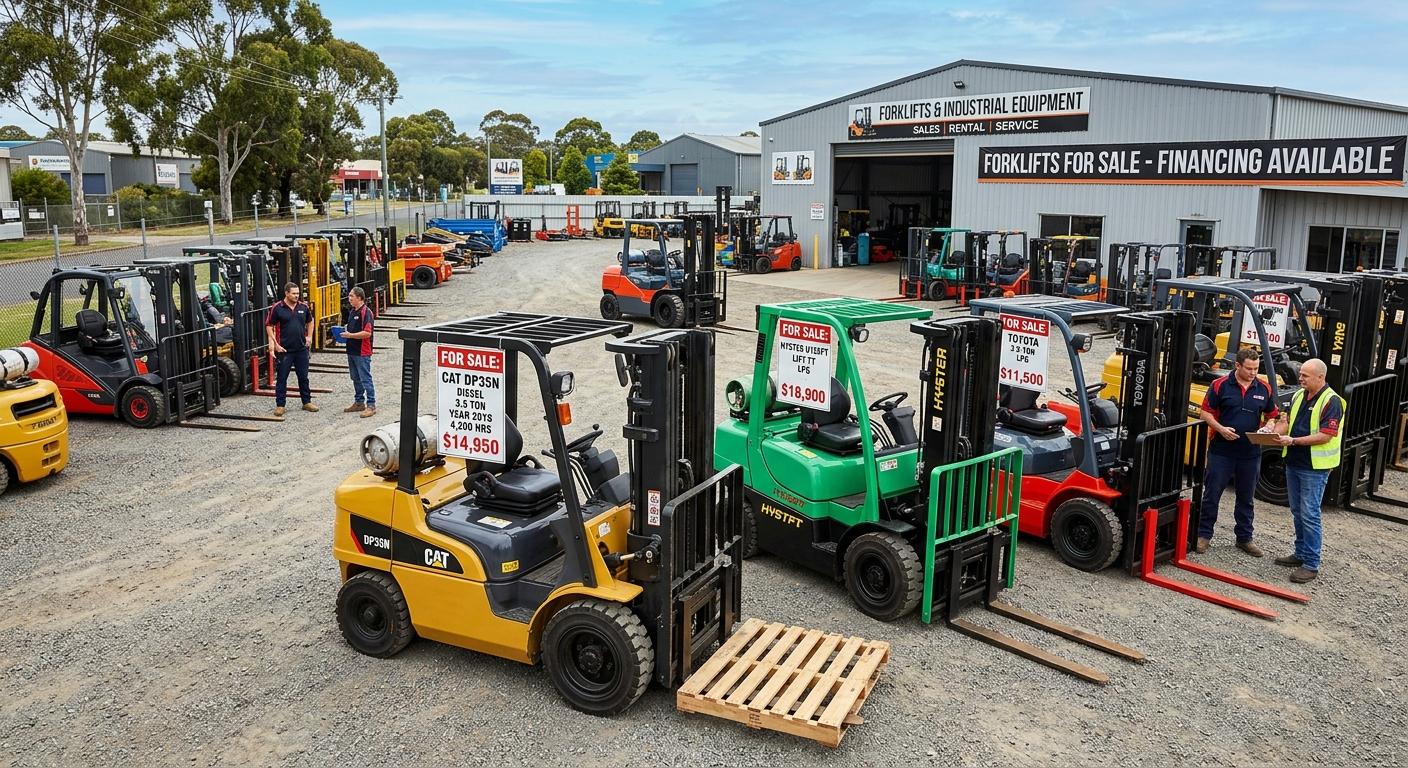
Businesses that handle heavy materials, pallets, and large shipments need reliable equipment to keep daily operations running smoothly. Forklifts help move, lift, and transport materials safely across warehouses, construction sites, manufacturing facilities, and distribution centers. Choosing the right machine can improve productivity, reduce manual labor, and support better workplace safety. When searching for forklifts for sale, buyers should consider their working environment, lifting requirements, budget, and long-term maintenance needs.
The right forklift depends on the type of work a business performs. Some companies need compact equipment for narrow warehouse aisles, while others require heavy-duty machines for outdoor operations. Understanding these differences helps buyers select equipment that meets their needs without spending more than necessary.
Different Types of Forklifts Available
Forklifts come in several types, each designed for specific working conditions. Electric forklifts are popular in indoor facilities because they operate quietly and produce no exhaust emissions at the point of use. They are suitable for warehouses, food storage facilities, and other enclosed spaces where air quality matters.
Internal combustion forklifts use gasoline, diesel, or liquefied petroleum gas, depending on the model. These machines can be suitable for outdoor applications, loading areas, and industrial environments that require frequent lifting. Their performance and operating costs depend on the fuel type, workload, and maintenance schedule.
Rough-terrain forklifts are designed for uneven surfaces commonly found on construction sites, lumber yards, and outdoor storage facilities. They often feature larger tires and greater ground clearance to handle challenging conditions. Reach trucks and narrow-aisle forklifts are better suited to warehouses where maximizing vertical storage space is important.
Before purchasing, buyers should identify the main tasks the machine will perform. Selecting equipment based on actual working conditions can prevent unnecessary expenses and improve operational efficiency.
New and Used Forklifts for Sale
One of the most important decisions is whether to purchase a new or used forklift. New equipment offers the advantage of being unused and may include a manufacturer's warranty. Buyers can also choose specific features, capacities, and configurations to match their requirements. However, new forklifts usually require a larger initial investment.
Used equipment can provide an affordable alternative for businesses with limited budgets. A well-maintained used forklift may deliver dependable performance for many years. It can be particularly useful for smaller companies, seasonal operations, or businesses that need an additional machine without making a major investment.
However, buyers should inspect used equipment carefully before completing a purchase. Review its maintenance records, operating hours, tire condition, hydraulic system, brakes, and steering. The battery condition is especially important for electric forklifts, while engine performance and exhaust condition deserve attention when inspecting combustion models.
A professional inspection can help identify hidden problems and estimate future repair costs. Comparing the total cost of ownership, rather than the purchase price alone, helps businesses make a more informed decision.
Understanding Forklift Capacity and Performance
Lifting capacity is a critical factor when choosing a forklift. Every machine has a rated capacity that indicates the maximum load it can safely lift under specified conditions. Buyers should calculate the typical weight of their materials and consider the heaviest loads the equipment will handle.
Load dimensions and attachments can also affect lifting capacity. Long materials, unusual load shapes, side shifters, and other attachments may change the machine's lifting limits. The forklift's data plate provides important information about its rated capacity and operating specifications.
Lift height is another consideration. Warehouses with tall storage racks require equipment that can reach the necessary height while maintaining stability. Buyers should also evaluate aisle width, turning radius, floor conditions, and available operating space.
Choosing a forklift with suitable specifications helps improve productivity and reduces the risk of overloading. Operators must follow the manufacturer's instructions and never exceed the machine's rated capacity.
Important Features to Check Before Buying
When comparing forklifts for sale, buyers should look beyond brand names and advertised prices. The machine's condition, service history, safety features, and parts availability can have a significant effect on its long-term value.
Check the mast, forks, chains, hydraulic cylinders, and hoses for visible damage or excessive wear. Inspect the tires for cracks, uneven wear, and other signs of deterioration. Test the steering, brakes, lights, warning devices, and other essential controls under appropriate conditions.
Operator comfort also matters, particularly when equipment is used throughout long shifts. Adjustable seats, clear visibility, accessible controls, and suitable overhead protection can support safer and more comfortable operation.
Buyers should also ask about replacement parts and local repair services. Equipment that is easy to maintain can reduce downtime and help businesses return to normal operations more quickly when repairs become necessary.
Comparing Prices and Operating Costs
The price of a forklift varies according to its age, brand, capacity, fuel type, condition, and additional features. New machines generally cost more than comparable used models, but their warranty coverage and expected maintenance requirements may offer advantages.
Purchase costs are only one part of the overall expense. Businesses should also consider fuel or electricity, routine servicing, replacement tires, batteries, insurance, operator training, and unexpected repairs. These costs can vary significantly between forklift types and operating environments.
It is helpful to request a detailed quotation that explains what is included in the sale. Buyers should confirm whether delivery, inspection, attachments, warranties, or servicing are included in the quoted price. Comparing several suitable machines can reveal which option offers the best value for the intended application.
Financing may also be available through equipment dealers or other providers. Businesses should review interest rates, repayment terms, and any additional charges before entering into an agreement.
Maintenance and Forklift Safety
Regular maintenance helps extend equipment life and supports safe operation. Daily inspections should identify visible leaks, damaged forks, worn tires, faulty brakes, and other issues that could affect performance. Any serious defect should be addressed before the forklift returns to service.
Scheduled servicing may include checking hydraulic fluid, engine oil, cooling systems, batteries, and other components according to the manufacturer's recommendations. Electric models require appropriate battery care, while combustion-powered machines need suitable engine and fuel-system maintenance.
Operator training is equally important. Workers should understand load limits, safe turning practices, pedestrian awareness, and the correct procedures for operating on ramps or uneven surfaces. Forklifts should only be operated by trained and authorized personnel in accordance with applicable safety requirements.
A consistent maintenance program can reduce unexpected breakdowns, improve reliability, and protect employees and materials.
Choosing the Right Supplier
A reliable supplier can make the purchasing process easier by helping buyers compare suitable models and understand their specifications. Look for a seller who provides accurate equipment information, transparent pricing, and clear answers about maintenance history and warranty coverage.
Ask whether the supplier offers inspections, delivery, replacement parts, and after-sales support. These services can be particularly valuable for businesses that depend on forklifts every working day.
It is also useful to compare the supplier's available inventory with your operational requirements. A suitable machine should meet your lifting capacity, height, space, and environmental needs without unnecessary features that increase costs.
Conclusion
Finding the right forklift requires careful consideration of equipment type, lifting capacity, condition, safety features, and long-term operating expenses. Businesses can choose between new and used models based on their budgets and workload requirements. By inspecting machines thoroughly, comparing suppliers, and planning for regular maintenance, buyers can make a confident investment. The best forklifts for sale are those that meet daily operational demands, provide dependable performance, and deliver lasting value for the business.


 Arabic
 French
