


 About Us
 الشروط
 الخصوصية
 Community Guidelines
Braces vs Clear Aligners: Comparing Cost, Comfort and Daily Care
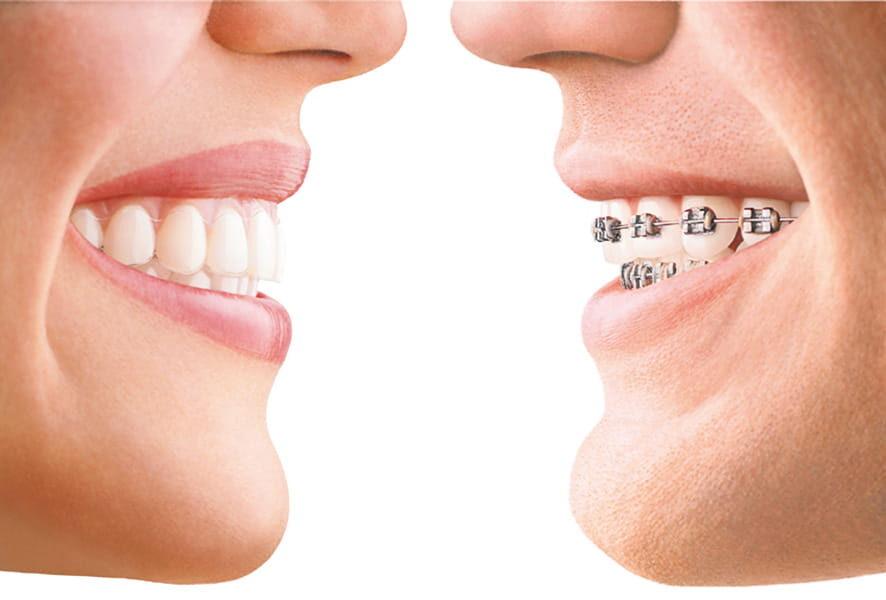
Straightening your teeth can improve your smile, bite, and overall dental health. Today, patients can choose between traditional braces and clear aligners, two popular orthodontic treatments designed to correct misaligned teeth. However, they differ in appearance, comfort, cost, and the daily habits required to achieve good results.
Traditional braces use brackets and wires attached to the teeth, while clear aligners use a series of transparent, removable trays to move teeth gradually. Both options can be effective, but the right choice depends on your dental condition, lifestyle, budget, and treatment goals.
If you are comparing orthodontic options, understanding the Invisalign cost in India alongside the benefits and limitations of braces can help you make a more informed decision. At Dentally, patients can learn about different teeth-straightening treatments and the factors to consider before starting orthodontic care.
What Are Traditional Braces?
Traditional braces are fixed orthodontic appliances that use brackets, wires, and other components to move teeth into their desired positions. Your orthodontist adjusts the appliance periodically to guide tooth movement.
Braces are available in different types, including metal braces, ceramic braces, and lingual braces. Metal braces are generally the most affordable option, while ceramic and lingual braces may cost more because of their materials or placement.
Benefits of Traditional Braces
-
Suitable for many complex cases: Braces can address crowding, spacing, and a range of bite problems.
-
Continuous treatment: Because they are fixed, they work without requiring patients to remember to insert their aligners.
-
Budget-friendly choices: Conventional metal braces generally cost less than Invisalign treatment.
-
No removable trays to manage: Patients do not need to remove an appliance before eating or drinking water.
-
Controlled tooth movement: Orthodontists can use different mechanics to manage challenging tooth movements.
Limitations of Traditional Braces
Brackets and wires are visible, particularly with metal braces. They can also cause temporary soreness after adjustments and may irritate the cheeks or lips.
Food can become trapped around brackets, making brushing and flossing more difficult. Patients may also need to avoid hard, sticky, or chewy foods that could damage the appliance.
What Are Clear Aligners?
Clear aligners are custom-made transparent trays designed to move teeth gradually according to an orthodontic treatment plan. Invisalign is a well-known clear aligner system that uses a sequence of removable trays.
Patients typically wear their aligners for around 20–22 hours per day, removing them for meals, drinks other than water, and oral hygiene. The trays are changed according to the treating dentist's instructions.
Benefits of Clear Aligners
-
Discreet appearance: Transparent trays are less noticeable than conventional metal braces.
-
Removability: You can remove the trays when eating, drinking, and cleaning your teeth.
-
Convenient oral hygiene: Brushing and flossing are generally easier without brackets and wires.
-
Fewer food restrictions: Most foods can be eaten normally after removing the aligners.
-
Digital treatment planning: Many aligner treatments use digital scans and planned tooth movements to help map the process.
Limitations of Clear Aligners
Clear aligners require discipline. Wearing them for insufficient hours can interfere with planned tooth movement and extend treatment.
Patients must clean their trays regularly, avoid hot water that could distort the plastic, and keep track of them when they are removed. Some cases also require tooth-coloured attachments, elastic bands, or other additional orthodontic techniques.
Clear aligners are not automatically suitable for every patient. Certain complex tooth movements may be more predictably managed with fixed braces, depending on the case and the orthodontist's expertise.
Invisalign Cost in India: What Should You Expect?
The Invisalign cost in India depends on the complexity of your dental condition, the duration of treatment, the number of aligners required, and the provider you choose.
According to Invisalign India's published pricing guidance, indicative treatment costs range from approximately ₹1,50,000 to ₹3,50,000. These figures are estimates rather than guaranteed prices, and your treating provider determines the final cost after evaluating your teeth and bite.
The following figures are useful for understanding broad price differences.
| Treatment option | Indicative cost in India |
|---|---|
| Traditional metal braces | ₹25,000–₹60,000 |
| Ceramic braces | ₹40,000–₹90,000 |
| Invisalign clear aligners | ₹1,50,000–₹3,50,000 |
These are approximate comparison ranges, not fixed or universal clinic prices. Actual fees vary by location, provider, treatment complexity, and package inclusions. Confirm your individual quotation before beginning treatment.
Factors That Affect Invisalign Pricing
Several factors can influence your final treatment cost.
1. Complexity of your case
Minor crowding or small gaps may require a simpler treatment plan. More significant crowding, rotations, or bite correction may require additional aligners and a longer treatment period.
2. Treatment duration
Longer treatment can involve more appointments, additional aligners, and refinements. However, duration and cost are not always directly proportional because pricing depends on the package offered.
3. Dentist or orthodontist experience
Provider qualifications, clinical experience, and treatment planning can influence fees. Choose a qualified professional who can explain the reasoning behind your treatment plan.
4. Additional procedures
Some patients require tooth extractions, attachments, interproximal reduction, or other procedures. Ask whether these are included in your quotation.
5. Retainers and refinements
After active treatment, retainers help prevent teeth from moving back toward their original positions. Ask whether your package includes retainers and any additional aligners needed to refine the result.
Before comparing providers, request a written estimate covering the complete treatment rather than just the initial set of trays.
Braces vs Clear Aligners: Cost Comparison
Cost is often a major consideration when choosing orthodontic treatment. Traditional metal braces are generally more affordable upfront, making them a practical choice for patients who prioritise cost.
Invisalign usually involves a higher initial investment, but some patients consider the discreet appearance and removable design worth the additional expense.
Your decision should account for more than the starting price. Consider the treatment's clinical suitability, expected duration, follow-up appointments, additional procedures, and retention costs.
If your budget is limited, ask your orthodontist about metal braces, ceramic braces, or other clinically appropriate aligner options. Do not assume that every clear aligner brand offers the same treatment capabilities or level of professional supervision.
Which Option Is More Comfortable?
Comfort varies from person to person, and both treatments can cause temporary pressure or soreness as teeth move.
Comfort With Braces
Braces may cause irritation where brackets or wires contact the cheeks and lips. Some discomfort is common after adjustments, although it generally improves as your mouth adapts.
Orthodontic wax and advice from your dentist can help manage minor irritation.
Comfort With Clear Aligners
Clear aligners do not have metal brackets or wires, so many patients find them less irritating to the soft tissues of the mouth. However, a new tray can create pressure or tightness as it begins moving the teeth.
Aligner edges may occasionally irritate the gums, and attachments can affect how the teeth feel.
Which is better? Clear aligners may offer greater day-to-day convenience for many patients, but neither treatment is completely pain-free. Clinical suitability should remain the priority.
Daily Care: Braces vs Clear Aligners
Maintaining good oral hygiene is essential during orthodontic treatment. The cleaning routine differs depending on the appliance.
Daily Care With Braces
-
Brush carefully around every bracket and along the gumline.
-
Clean between teeth using floss threaders or orthodontic cleaning aids.
-
Avoid hard candies, sticky sweets, and foods that could damage the brackets.
-
Attend scheduled adjustment appointments.
-
Contact your orthodontist if a wire or bracket breaks or causes significant irritation.
Because braces remain fixed to the teeth, cleaning requires additional time and attention.
Daily Care With Clear Aligners
-
Wear your aligners for the prescribed hours, generally 20–22 hours daily.
-
Remove trays before meals and drinks other than water.
-
Brush your teeth and clean between them before reinserting trays whenever possible.
-
Clean the aligners according to your provider's instructions.
-
Avoid hot water that could deform the trays.
-
Store aligners in their protective case when removed.
Clear aligners can make oral hygiene easier, but removing them too frequently or forgetting to wear them can compromise treatment progress.
How Long Does Each Treatment Take?
Treatment duration depends on the severity of the misalignment, the planned tooth movements, and how consistently the patient follows instructions.
Some mild cases may be completed in several months, while more complicated cases can take one to two years or longer.
Traditional braces work continuously because they are fixed to the teeth. Clear aligners depend on consistent wear to achieve the planned movements.
Neither treatment is universally faster. Ask your orthodontist for an individual estimate and whether refinements, missed appointments, or changes to the treatment plan could extend the timeline.
How to Choose the Right Treatment
Consider these factors before making your decision.
Choose traditional braces if:
-
You want a generally more affordable treatment option.
-
Your case involves complex tooth movements that may benefit from fixed appliances.
-
You prefer not to manage removable trays throughout the day.
-
You can maintain careful oral hygiene around brackets and wires.
Consider Invisalign or other clear aligners if:
-
You prefer a less noticeable orthodontic appliance.
-
You want to remove the appliance for meals and oral hygiene.
-
You can consistently wear your aligners for the prescribed hours.
-
Your orthodontist confirms that your case is suitable for aligner treatment.
At Dentally, patients can explore orthodontic treatment considerations and prepare questions for a dental consultation. A clinical examination is necessary to determine which option is appropriate for your teeth and bite.
Frequently Asked Questions
Is Invisalign more expensive than braces in India?
Invisalign generally costs more than traditional metal braces in India. The exact difference depends on treatment complexity, provider fees, and the package selected. Invisalign India's published indicative range is approximately ₹1,50,000–₹3,50,000.
Are clear aligners better than braces?
Neither option is universally better. Clear aligners offer discreet appearance and removability, while braces can be particularly useful for certain complex tooth movements. Your orthodontist can recommend the most appropriate option for your condition.
Can I eat normally with Invisalign?
You should remove Invisalign aligners before eating. After meals, clean your teeth before reinserting the trays whenever possible. Water is generally suitable while wearing aligners, but avoid hot water and other drinks unless your provider advises otherwise.
Do I need retainers after braces or Invisalign?
Yes. Retainers are generally necessary after either treatment to help maintain the results. Without retention, teeth can gradually shift, even after successful orthodontic treatment.
Final Thoughts
Choosing between braces and clear aligners involves balancing cost, comfort, appearance, daily care, and clinical effectiveness. Traditional metal braces are usually more affordable and do not depend on patient compliance with removable trays. Clear aligners offer a discreet, convenient alternative for patients who can follow the prescribed wearing schedule.
When evaluating the Invisalign cost in India, compare complete treatment packages, provider qualifications, refinement policies, and retainer expenses rather than relying solely on the initial quote.
With guidance from a qualified orthodontist and reliable information from Dentally, you can make a more informed decision about your teeth-straightening options. The right treatment is the one that suits your dental needs, lifestyle, and budget while supporting a healthy, lasting smile.


 English
 French
