


 About Us
 Conditions générale de vente
 Confidentialité
 Community Guidelines
Traditional Techniques Used in Authentic Thai Massage in Bradford
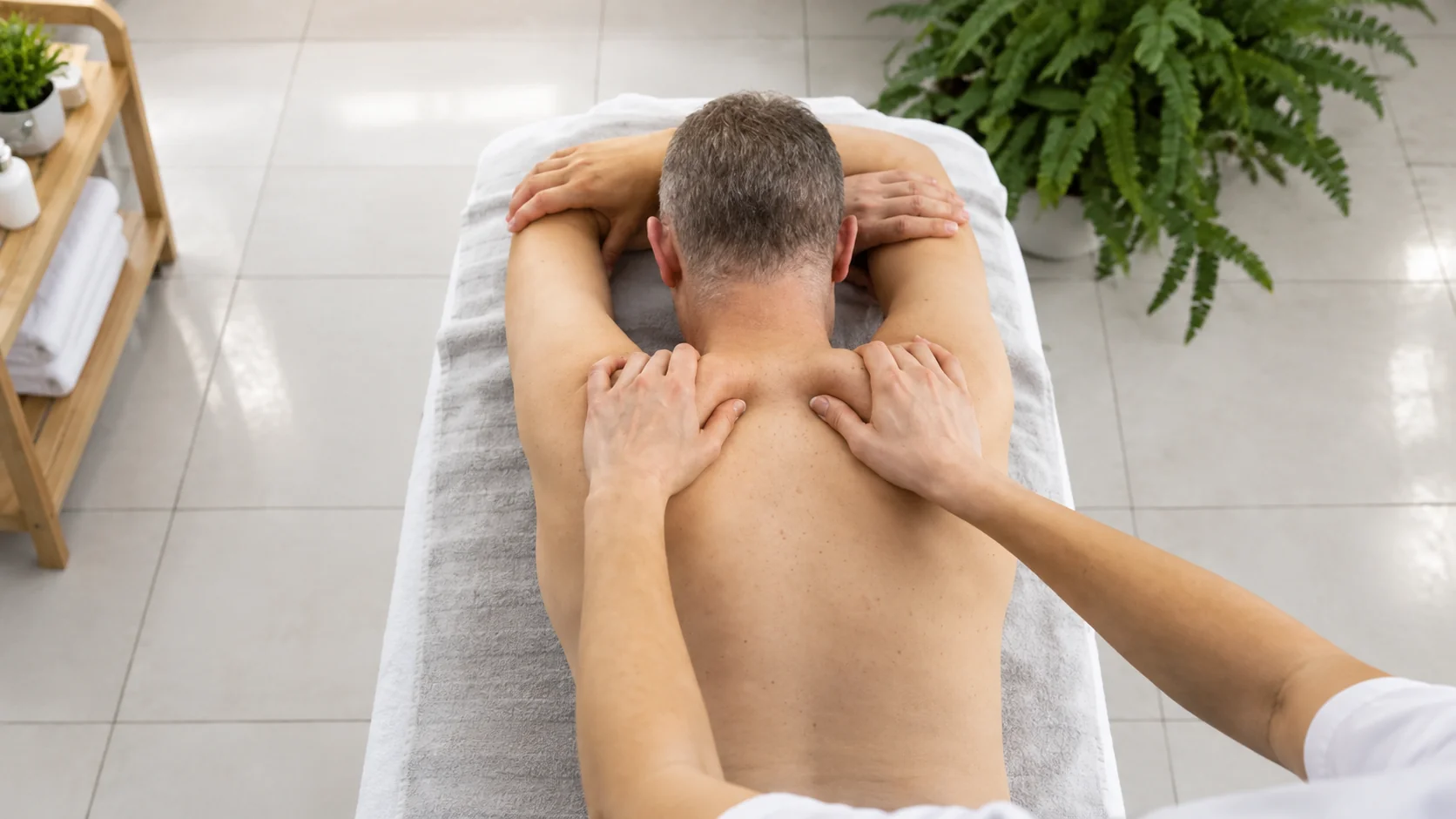
Thai massage is one of the oldest healing traditions in the world, with roots reaching back more than 2,500 years. It looks very different from the oil-based, gliding style most people picture when they think of a spa visit. Instead, it is a rhythmic, full-body practice that combines acupressure, assisted stretching and gentle joint mobilisation. If you are searching for Authentic Thai massage in Bradford, knowing the techniques behind the treatment will help you understand what to expect and how to recognise genuine quality.
At Pimzen Spa, these time-honoured methods are not treated as a trend. They are practised with patience, respect and a deep understanding of the body, so that every session feels both relaxing and restorative. Below, we walk through the traditional techniques that define this ancient art.
The Origins of Thai Massage
Traditional Thai massage, known as Nuad Boran, is believed to have developed in ancient India and been carried into Thailand by Buddhist monks. Over the centuries it blended with local Thai wisdom and became part of the country's core healthcare system, taught in temples and passed from teacher to student. The practice is built on the idea that the body contains invisible channels of energy, and that when those channels are blocked by tension, stress or poor posture, discomfort and fatigue follow.
Because of this philosophy, a Thai massage session is never random. Every movement has a purpose, and every pressure point is chosen to restore balance. This is why Authentic Thai massage in Bradford feels so different from a standard relaxation massage. It works with the whole body as a connected system rather than focusing only on sore muscles.
Sen Line Therapy
The foundation of the entire practice is Sen line therapy. Traditional teaching describes ten principal energy lines, called Sen, that run through the body like a map. The therapist follows these lines with steady, rhythmic pressure, using the thumbs, palms, fingers and sometimes the forearms. The aim is to release tightness along each pathway and encourage a smooth flow of energy and circulation.
A skilled practitioner does not rush this stage. Pressure is applied slowly, held for a few seconds and then released, creating a wave-like pattern that calms the nervous system. Many clients notice that their breathing deepens and their mind quiets long before the session is over.
Acupressure and Palm Pressing
Thai massage relies on pressing techniques rather than oily strokes. Thumb pressing targets specific points on the feet, legs, back and shoulders, helping to melt away knots and stimulate blood flow. Palm pressing uses the broad surface of the hand to apply deeper, more comforting pressure over larger areas such as the thighs and lower back.
Elbow and forearm pressing are used when more depth is needed, particularly for stubborn tension in the glutes and upper back. Because the therapist uses body weight rather than brute force, the pressure feels firm yet sustained, never sharp. Communication matters too, and a good therapist will always adjust the intensity to suit your comfort level.
Assisted Stretching
One of the most recognisable features of Thai massage is assisted stretching, often described as passive yoga. The therapist gently guides your body into a series of positions, lifting, bending and rotating your limbs while you remain relaxed. These movements lengthen tight muscles, improve flexibility and create space in the joints without any effort from you.
Common stretches include the cobra, the cross-legged twist, the hamstring stretch and the seated spinal rotation. Each one is performed slowly and with careful timing, so your muscles can release naturally instead of resisting. People who sit at desks all day or spend long hours driving often find these stretches especially helpful for easing stiffness in the hips and spine.
Rocking, Joint Mobilisation and Rhythm
Another subtle but important element is rhythmic rocking. Gentle swaying movements relax the muscles and prepare the body for deeper work. Joint mobilisation follows, where the ankles, knees, hips, wrists and shoulders are carefully moved through their natural range of motion to restore ease and mobility.
Traditionally, the session takes place on a comfortable floor mat, and the client wears loose, comfortable clothing. There is no need to undress, which makes the experience accessible and relaxing for first-timers. The overall flow is steady and meditative, almost like a slow dance between therapist and client.
The Herbal Compress
Many traditional treatments also include a herbal compress, known as Luk Pra Kob. Fresh herbs such as lemongrass, turmeric, kaffir lime and camphor are wrapped in cloth, steamed and pressed onto the body. The warmth helps loosen tight muscles, while the natural aroma creates a calming atmosphere that deepens relaxation. It is often chosen by people dealing with muscle soreness, stress or aches during the colder months.
Why Authenticity Matters
Not every treatment labelled Thai massage follows these traditions. Real practitioners train for years, learning anatomy, pressure control and the proper sequence of movements. When you choose Authentic Thai massage in Bradford, you are choosing a therapist who respects the lineage of the craft and knows how to adapt it safely to your needs.
Pimzen Spa focuses on this kind of genuine practice, combining traditional methods with a clean, peaceful setting that helps you switch off from daily pressure. Whether you want relief from back tension, better flexibility or simply an hour of calm, the right technique and the right environment make all the difference.
Frequently Asked Questions
What makes Thai massage different from Swedish massage?
Thai massage uses pressure, stretching and joint movement on a mat while you stay clothed. Swedish massage relies on oil and long gliding strokes on a table. The Thai style is more active and focuses on flexibility and energy flow.
What should I wear to a Thai massage session?
Loose, comfortable clothing that allows free movement is best, such as a T-shirt and stretchy trousers. Avoid tight jeans or anything restrictive.
Will Thai massage hurt?
The pressure can feel firm, but it should never be painful. Always tell your therapist if something feels too strong, and they will adjust their technique immediately.
How often should I book a session?
For general wellbeing, once every two to four weeks works well. If you are dealing with specific muscle tension, weekly sessions for a short period may give better results.
Is Authentic Thai massage in Bradford suitable for beginners?
Yes. Therapists at Pimzen Spa explain each step, adapt the pressure to your comfort level and make sure first-time visitors feel relaxed from start to finish.

 English
 Arabic
