


 About Us
 Conditions générale de vente
 Confidentialité
 Community Guidelines
Low Voter Participation in Uganda’s Local Council 5 Elections: What Went Wrong?
By Explicit News | Zoomer Africa
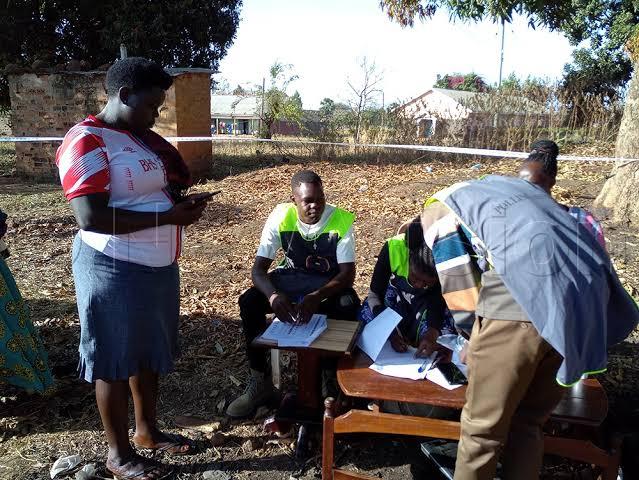
When the results from Uganda’s recent Local Council 5 (LC5) elections emerged, one reality was hard to ignore: voter turnout was low across much of the country. Polling stations that once buzzed with activity were quiet, and in some areas, officials waited hours for a handful of voters.
This pattern reflects deeper frustrations within Uganda’s political landscape — frustrations shaped by past experiences and fading trust in the electoral process.
1. Lingering Dissatisfaction from Previous National Elections
A key driver of low turnout is public dissatisfaction with previous presidential and parliamentary elections.
For many Ugandans, those elections were followed by disputed results, allegations of irregularities, and a sense that outcomes were predetermined long before ballots were cast. This perception has steadily eroded confidence in voting as a tool for change.
Evelyn, a voter who chose not to participate in the LC5 elections, put it bluntly:
“I believe election results are already decided by powerful men and women in the Movement. That’s why I find no reason to vote,” she said.
Her words echo a sentiment heard across districts — that voting has become symbolic rather than consequential.
2. Disillusionment with Local Leadership
Beyond national politics, dissatisfaction also stems from unfulfilled promises at the local level. Many voters point to poor roads, underfunded health centers, and limited job opportunities as evidence that elected leaders have failed to deliver meaningful change.
When repeated participation does not translate into visible improvements, withdrawal becomes a rational response.
3. Political Fatigue and Silent Protest
For some citizens, staying away from the polls is no longer apathy — it is a form of protest. After years of voting without seeing impact, disengagement becomes a way of expressing disappointment.
Low turnout, in this sense, is not a lack of interest in democracy, but a sign of democratic fatigue
4. Youth Disengagement and Economic Pressure
Young people, in particular, face daily economic pressures that push politics to the margins. Many feel excluded from decision-making and disconnected from leaders who do not reflect their realities.
Without credible pathways for youth influence, elections struggle to inspire participation.
What Low Turnout Really Signals
The low turnout in LC5 elections sends a clear message:
- Trust in electoral credibility is declining
- Citizens feel powerless within the political system
- Confidence in both national and local leadership is weakening
Ignoring these signals risks deepening the gap between citizens and governance.
Rebuilding Trust in the Ballot
Reversing this trend requires more than mobilization slogans. It demands:
- Transparent and credible elections
- Accountability for elected leaders
- Honest engagement with voter concerns
- Proof that votes genuinely shape outcomes
Until citizens like Evelyn believe their participation can influence results, many will continue to stay away from the polls.
Low turnout in Uganda’s LC5 elections is not an isolated issue. It is rooted in longstanding dissatisfaction with presidential and parliamentary elections, unmet expectations, and a growing belief that power lies beyond the ballot.
Restoring faith in democracy will require more than asking people to vote — it will require giving them a real reason to believe their vote matters.
Explicit News editorial, @Zoomer Africa, your number one grassroot information hub

 English
 Arabic
