


 About Us
 Terms
 Privacy
 Community Guidelines
Ceramic Coating | Premium Car Paint Protection & Shine
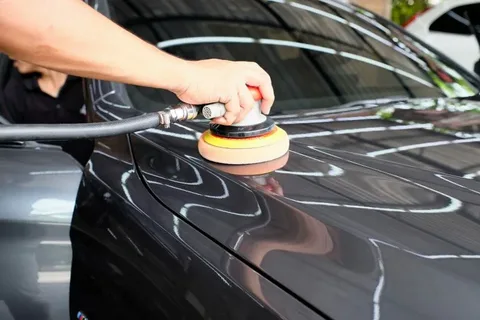
Paint Correction Myths, Debunked
Paintwork correction has become a popular detailing service, and with popularity comes plenty of confusion. Social media clips, sales pitches, and half-remembered advice have created myths about what correction does, how safe it is, and how long results last. This article separates common misconceptions from the more accurate picture so that car owners can decide whether correction suits their vehicle.
Myth 1: Paint Correction Is the Same as Waxing
The Misconception
Some people assume correction is just a more expensive way of waxing or polishing a car.
The Reality
Waxes and sealants add a protective layer and gloss on top of the paint, which may temporarily hide minor flaws. Paint correction physically removes a very thin layer of clear coat to level out scratches and swirl marks. It is a corrective process, while wax is a protective one, and the two are often used together.
Myth 2: Correction Removes Every Scratch
The Misconception
Some owners expect a flawless finish regardless of how damaged the paint is.
The Reality
Correction works on defects within the clear coat. Deep scratches that have gone through to the base coat or primer can usually be reduced but not eliminated. A reputable detailer will explain what is realistic after inspecting the paint.
Myth 3: Correction Permanently Fixes the Paint
The Misconception
Once corrected, paint is supposed to stay perfect forever.
The Reality
Correction removes existing flaws but does not make paint immune to new ones. Poor washing, automatic car washes with abrasive brushes, and rough drying can bring swirl marks back. Good maintenance and protection help results last.
Myth 4: Polishing Is Always Safe If Done Often
The Misconception
If polishing improves paint, doing it frequently must be better.
The Reality
Clear coat is thin and cannot be replaced once removed. Repeated aggressive correction can leave paint thin and vulnerable. Many detailers prefer to use the least aggressive method that achieves the desired result and to measure paint thickness when possible.
Myth 5: Any Machine Polisher Is Equally Safe for Beginners
The Misconception
People often assume that if they have a polisher, they can safely correct a whole car.
The Reality
Dual-action polishers are more forgiving than rotary machines, but technique, pad choice, compound selection, and pressure still matter. Mistakes can create holograms or burn through paint on edges. Practising on a less visible panel and reading product guidance helps beginners avoid costly errors.
Ceramic coating provides a durable protective layer that helps shield your vehicle’s paint from dirt, UV exposure, water spots, and everyday environmental contaminants.
Myth 6: A Higher Price Always Means Better Correction
The Misconception
Some buyers assume the most expensive service guarantees the best outcome.
The Reality
Price reflects time, skill, products, and the level of correction, but it is not the only measure of quality. A better indicator is whether the detailer inspects the paint, explains the process, measures thickness, performs test spots, and sets realistic expectations.
Myth 7: Correction Is Only for Old or Damaged Cars
The Misconception
Many owners believe a new car does not need it.
The Reality
New cars can have swirl marks and marring from dealership washing and transport. Many owners choose correction before applying protection such as ceramic coating, so the paint is as clean as possible. On the other hand, a car with excellent paint may only need a light polish.
Myth 8: Ceramic Coating Hides the Need for Correction
The Misconception
Some people think applying coating will conceal existing swirl marks.
The Reality
A coating adds a protective layer on top of the paint and may enhance gloss, but it does not correct flaws. In fact, it can lock in imperfections. That is why correction is often performed before coating.
Myth 9: Dark Cars Are the Only Ones That Benefit
The Misconception
People often say correction only matters for black cars because swirl marks show most there.
The Reality
Dark paint reveals defects more obviously, but lighter paints also suffer from oxidation, scratches, and dullness. Correction can improve gloss and clarity on any colour, although the level needed may differ.
Myth 10: DIY Correction Is Always Cheaper
The Misconception
Doing it yourself seems like an easy way to save money.
The Reality
The upfront cost of a polisher, pads, compounds, and towels can be notable, and mistakes can be expensive to fix. DIY can pay off for enthusiasts who maintain cars regularly and enjoy learning, but it is not automatically the cheaper route for everyone.
Myth 11: Toothpaste, Home Remedies, or Quick Fixes Work as Well
The Misconception
Online hacks suggest everyday products can remove scratches.
The Reality
Household products are not formulated for automotive clear coats and can leave uneven finishes or additional marring. Purpose-made compounds and polishes are designed to cut and refine in controlled ways.
How to Approach Correction Wisely
-
Assess the paint honestly and consider the level of correction needed.
-
Use professionals who inspect and explain their process.
-
Choose the least aggressive method that works.
-
Protect the corrected paint with wax, sealant, or coating.
-
Maintain it with careful washing and drying.
Conclusion
Paint correction is a valuable service, but it is not magic. It cannot fix every defect, it does not last forever without care, and it needs to be done with skill to avoid damaging thin clear coat. By understanding the myths and realities, car owners can set realistic expectations, choose suitable services, and keep their paint looking its best.
Professional detailing services help maintain a vehicle’s exterior, enhance paint clarity, and keep the finish looking clean and polished.


 Arabic
 French
